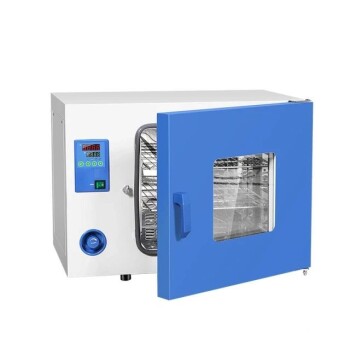
The primary purpose of using a Benchtop Forced Air Drying Oven at 120 °C is to dehydrate pre-oxidized aluminum powder by removing residual moisture trapped between the particles. This specific temperature is chosen to ensure the powder is physically dry and stable before it undergoes subsequent high-temperature heat treatment in a furnace.
Core Insight: The 120 °C drying step acts as a critical stabilizer. It removes physical moisture to prevent structural damage during later processing, while remaining low enough to preserve the chemical phase of the aluminum hydroxide shell.
The Mechanics of Dehydration
Targeting Residual Moisture
The preparation of core-shell particles often involves wet chemistry steps that leave the powder saturated. The forced air oven targets the residual moisture located between the particles.
Preparing for the Furnace
This drying phase creates a suitable feedstock for high-temperature sintering or calcination. You cannot introduce wet powder directly into a furnace without risking process instability.
Ensuring Physical Stability
By removing moisture gradually at a moderate temperature, you produce a free-flowing, dry powder. This physical state is essential for consistent handling and uniform heating in the next stage of production.
Why 120 °C is the Critical Threshold
Avoiding Phase Changes
The choice of 120 °C is not arbitrary; it is a calculated upper limit. This temperature is sufficient to evaporate water but avoids significant phase changes in the aluminum hydroxide shell.
Preserving Chemical Structure
Exceeding this temperature threshold could prematurely alter the crystalline structure of the shell. Keeping the temperature at 120 °C maintains the integrity of the hydroxide layer until the controlled furnace step.
Preventing Structural Collapse
Although the primary reference focuses on aluminum, supplementary data on similar catalysts highlights a universal principle: rapid heating of wet particles causes flash evaporation. Removing moisture at 120 °C prevents rapid steam expansion inside the furnace, which could otherwise fragment the particles or collapse their structure.
Understanding the Trade-offs
Temperature Sensitivity
While 120 °C is the standard for this specific material, it is a strict boundary. Lower temperatures may leave residual moisture, leading to "popping" or fragmentation in the furnace. Higher temperatures risk altering the material properties before the reaction stage begins.
Airflow vs. Vacuum
This process utilizes forced air rather than vacuum drying. Forced air is generally efficient for removing surface and inter-particle moisture in robust powders. Vacuum drying is typically reserved for more delicate extractions, such as removing volatile solvents from deep pores or ionic liquids.
Making the Right Choice for Your Goal
To ensure the success of your aluminum core-shell preparation, consider your primary objective:
- If your primary focus is structural integrity: Ensure the powder is thoroughly dried at 120 °C to prevent moisture-induced fragmentation during the high-heat furnace stage.
- If your primary focus is phase purity: Strictly monitor the oven temperature to ensure it does not exceed 120 °C, preventing premature chemical changes in the aluminum hydroxide shell.
Correctly executing this drying step ensures your material remains chemically stable and physically intact for high-temperature processing.
Summary Table:
| Key Factor | Role at 120 °C | Benefit to Material |
|---|---|---|
| Moisture Removal | Eliminates inter-particle residual water | Prevents fragmentation during high-heat sintering |
| Phase Control | Stays below chemical transformation threshold | Preserves the integrity of the aluminum hydroxide shell |
| Physical State | Produces a free-flowing, stable powder | Ensures uniform heating and easier handling in the furnace |
| Airflow Type | Forced air circulation | Efficiently removes surface moisture without the complexity of vacuum |
Elevate Your Materials Research with KINTEK Precision
High-quality aluminum core-shell particles require more than just the right chemistry—they demand precise thermal control. At KINTEK, we specialize in the advanced laboratory equipment necessary to bridge the gap between preparation and high-temperature processing. Whether you need a high-performance benchtop forced air drying oven for critical dehydration or a sophisticated high-temperature furnace (muffle, tube, or vacuum) for the final sintering stage, our solutions ensure your materials remain chemically pure and physically intact.
From pellet presses for sample preparation to PTFE products and ceramics for chemical resistance, KINTEK provides a comprehensive range of tools including:
- High-temperature high-pressure reactors and autoclaves
- Precision crushing and milling systems
- Advanced battery research tools and cooling solutions
Ready to ensure the success of your next synthesis? Contact us today to discover how KINTEK’s expert equipment and consumables can optimize your lab's efficiency and results.
References
- Olesya A. Buryakovskaya, Anatoly V. Grigorenko. Effect of Thermal Treatment of Aluminum Core-Shell Particles on Their Oxidation Kinetics in Water for Hydrogen Production. DOI: 10.3390/ma14216493
This article is also based on technical information from Kintek Solution Knowledge Base .
Related Products
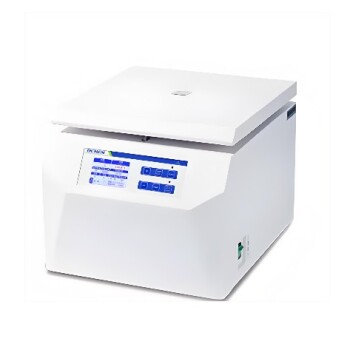
- Benchtop High Speed Small Lab Centrifuge for Serum Separation and Low Temperature Dehydration
- Laboratory Scientific Electric Heating Blast Drying Oven
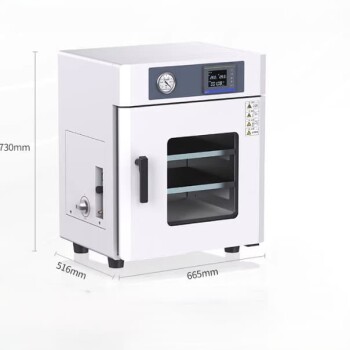
- 56L Vertical Laboratory Vacuum Drying Oven
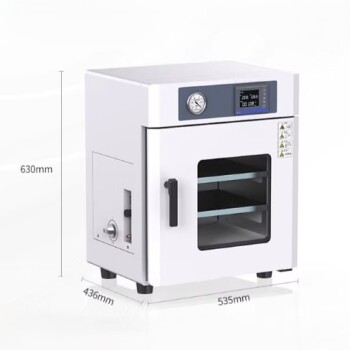
- 23L Laboratory Vacuum Drying Oven
People Also Ask
- How is a benchtop laboratory centrifuge used in the desorption and regeneration of composite adsorbent beads?
- What is the primary function of a laboratory centrifuge? Master PAAMP-b-PVK Block Copolymer Purification
- What role does a Laboratory Centrifuge play in the production of succinic acid? Critical Solid-Liquid Separation Guide
- What are the advantages and disadvantages of a centrifuge? Weighing Speed Against Cost and Risk
- How does a centrifuge work and for what purpose? Unlock the Power of Rapid Sample Separation