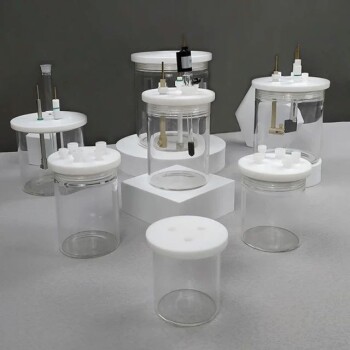
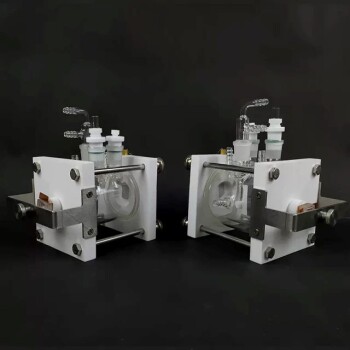
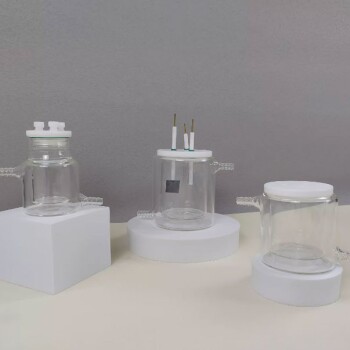
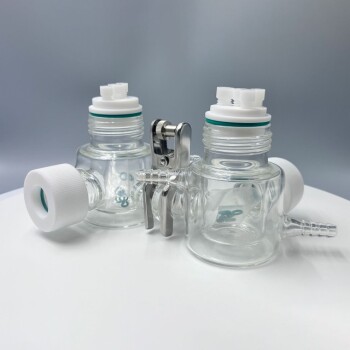
Electrolytic cells and electrodeposition equipment function as the critical first stage in the manufacturing of composite hybrid coatings like isNiAl. Their specific role is to deposit a foundational layer of metallic nickel onto an alloy substrate immediately prior to the aluminizing process.
By introducing a preliminary nickel layer, this equipment enables a hybrid coating structure that offers superior chemical stability. This specific modification significantly slows oxidation caused by hydrogen chloride gas, outperforming standard iron-based alternatives in harsh environments.
The Two-Step Hybrid Manufacturing Process
Establishing the Nickel Foundation
The electrodeposition equipment is tasked with creating a uniform layer of metallic nickel. This is not the final coating, but rather a preparatory baseline applied directly to the alloy substrate.
Pre-Aluminizing Preparation
The electrolytic step occurs strictly before aluminizing. This sequencing is what defines the "hybrid" nature of the isNiAl process, effectively combining electroplating technology with subsequent aluminizing treatments.
Enhancing Chemical Stability
Resistance to Hydrogen Chloride
The inclusion of this nickel layer is strategic for environments containing high levels of hydrogen chloride (HCl) gas. The resulting hybrid coating effectively slows the active oxidation of metal surfaces that HCl typically accelerates.
Application in Biomass Boilers
Because of this specific resistance, these coatings are particularly valuable for biomass boiler components. The process extends the service life of these parts significantly beyond what standard iron-based coatings can achieve.
Understanding the Trade-offs
Process Complexity
While effective, this approach introduces a multi-stage workflow. Utilizing electrolytic cells adds an extra processing variable and equipment requirement compared to single-step coating methods.
Dependency on Layer Integrity
The enhanced stability of the isNiAl composite is entirely dependent on the quality of the initial electrodeposition. Any inconsistencies or flaws in the nickel layer created by the electrolytic cells may compromise the final protective properties of the hybrid coating.
Making the Right Choice for Your Goal
To determine if this equipment and process suit your needs, consider the specific environmental stressors your components will face:
- If your primary focus is extending component life in biomass boilers: Prioritize the isNiAl hybrid process to leverage the nickel layer's specific resistance to hydrogen chloride gas.
- If your primary focus is basic protection against mild oxidation: Evaluate if standard iron-based coatings are sufficient, as they allow you to bypass the complexity of the initial electrodeposition step.
By integrating electrolytic deposition into the coating workflow, you transform a standard substrate into a chemically resilient barrier capable of withstanding aggressive industrial environments.
Summary Table:
| Feature | Role in isNiAl Coating Process | Key Benefit |
|---|---|---|
| Stage One | Electrodeposition of metallic nickel foundation | Establishes a uniform preparatory baseline |
| Hybrid Step | Pre-aluminizing electrolytic treatment | Combines plating with thermal processing |
| Chemical Impact | Slows oxidation from Hydrogen Chloride (HCl) | Enhanced stability in biomass boilers |
| Service Life | Superior resistance vs. iron-based coatings | Extended durability for alloy substrates |
Elevate Your Coating Precision with KINTEK
Are you looking to optimize your isNiAl hybrid coating process or enhance the durability of components in harsh industrial environments? KINTEK specializes in high-performance electrolytic cells, electrodes, and laboratory equipment designed to meet the rigorous demands of material science and chemical engineering.
Whether you require precise electrodeposition tools for protective coatings, high-temperature furnaces for aluminizing, or specialized crushing and milling systems for substrate preparation, we provide the comprehensive solutions you need. Our team of experts is ready to help you achieve superior chemical stability and process efficiency.
Contact KINTEK Today to Consult with Our Specialists
References
- María Luisa Martell Contreras, A. Bahillo. Prediction of biomass corrosiveness over different coatings in fluidized bed combustion. DOI: 10.1007/s40095-022-00544-y
This article is also based on technical information from Kintek Solution Knowledge Base .
Related Products
- PTFE Electrolytic Cell Electrochemical Cell Corrosion-Resistant Sealed and Non-Sealed
- Super Sealed Electrolytic Electrochemical Cell
- Electrolytic Electrochemical Cell with Five-Port
- H Type Electrolytic Cell Triple Electrochemical Cell
- Electrolytic Electrochemical Cell Gas Diffusion Liquid Flow Reaction Cell
People Also Ask
- What is the necessity of selecting a PTFE electrolytic cell? Ensure Precise Graphene Corrosion Testing Accuracy
- What is the proper method for cleaning the surface of an all-PTFE electrolytic cell? Ensure Accurate Results with a Pristine Surface
- How should an all-PTFE electrolytic cell be stored after use? Expert Maintenance Tips for Long-Lasting Performance
- What is the proper cleaning method for an all-PTFE electrolytic cell? Essential Tips for Surface Integrity
- What are the standard opening specifications for all-PTFE electrolytic cells? A Guide to Sealed vs. Non-Sealed Ports