A phase-transition approach using large-size graphite precursors is the potential new method suggested by the graphite-to-diamond transformation mechanism. This technique proposes converting large graphite sheets directly into diamond at atmospheric or low pressures, radically differing from the high-energy demands of traditional manufacturing.
The core innovation lies in utilizing the structural properties of large graphite sheets to bypass the need for expensive equipment and rare diamond seeds, offering a cost-effective pathway to large-area diamond synthesis.
The Mechanics of the Proposed Method
Leveraging Graphite as a Blueprint
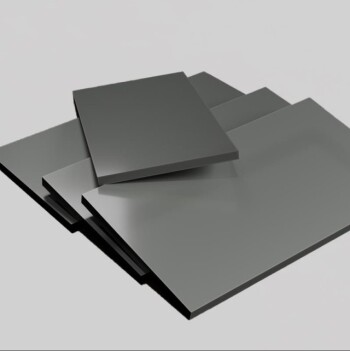
The proposed method fundamentally shifts the synthesis strategy by treating large-size graphite as a direct precursor material.
Rather than growing a diamond atom-by-atom, this approach relies on a phase transition mechanism.
This suggests that the graphite itself serves as the template for the final diamond structure.
Operating at Low Pressure
Historically, creating diamond required replicating the crushing force of the Earth's mantle.
This new method, however, suggests the transformation can occur at atmospheric or low pressure.
This capability removes the engineering complexity required to maintain extreme environmental conditions.
Overcoming Traditional Limitations
Breaking the Cost Barrier
Current industrial standards, specifically High Pressure High Temperature (HPHT) and Chemical Vapor Deposition (CVD), are capital-intensive.
These methods rely on massive, expensive equipment to sustain the necessary reaction environments.
By operating at low pressures, the graphite-precursor method could significantly reduce overhead and operational costs.
Solving the Scalability Issue
Traditional methods often face a "seed" problem.
CVD and HPHT typically require rare or expensive diamond seeds to initiate growth, which limits the physical size of the resulting diamond.
Using large-area graphite sheets eliminates the dependency on seeds, theoretically allowing for the synthesis of much larger diamond surface areas.
Understanding the Challenges
Development Maturity
It is critical to recognize that this method is currently a suggested potential based on scientific discovery.
While the mechanism is understood, it lacks the decades of industrial refinement that back HPHT and CVD.
Process Control
Transitioning a large sheet of graphite implies a need for precise control over the entire surface area simultaneously.
Achieving uniform quality across a "large-area" transition without defects remains a significant technical hurdle compared to the controlled growth of CVD.
Assessing the Future of Diamond Synthesis
The discovery of the graphite-to-diamond phase transition marks a pivot point in materials science, offering a theoretical solution to the industry's scaling problems.
- If your primary focus is immediate industrial application: Rely on HPHT or CVD methods, as these are proven technologies with established supply chains and quality standards.
- If your primary focus is future scalability and cost-reduction: Monitor the development of low-pressure graphite precursors, as this technology promises to democratize large-area diamond production.
This shift suggests that the future of diamond manufacturing may lie not in extreme force, but in the intelligent manipulation of material phases.
Summary Table:
| Feature | Traditional (HPHT/CVD) | New Graphite Precursor Method |
|---|---|---|
| Pressure Requirements | High Pressure (HPHT) / Vacuum (CVD) | Atmospheric or Low Pressure |
| Starting Material | Diamond Seeds / Carbon Gas | Large-size Graphite Sheets |
| Synthesis Process | Atom-by-Atom Growth | Direct Phase Transition |
| Scalability | Limited by Seed Size | Potentially Unlimited Area |
| Cost Profile | High Capital Investment | Low-Cost Operational Potential |
Unlock the Future of Material Synthesis with KINTEK
As the landscape of diamond production shifts toward innovative low-pressure methods, having the right laboratory infrastructure is critical. KINTEK specializes in high-performance laboratory equipment and consumables designed for precision research and industrial scalability.
Whether you are exploring cutting-edge graphite-to-diamond phase transitions or utilizing established CVD and HPHT techniques, we provide the comprehensive tools you need, including:
- Advanced High-Temperature Furnaces (Muffle, Tube, Vacuum, and CVD/PECVD systems)
- High-Pressure High-Temperature Reactors and Autoclaves
- Crushing, Milling, and Sieving Systems for precursor preparation
- Precision Hydraulic Presses (Pellet, Hot, and Isostatic)
- Specialized Consumables (Crucibles, Ceramics, and PTFE products)
Empower your laboratory with KINTEK's expertise. Our team is dedicated to providing researchers and manufacturers with reliable, cost-effective solutions to achieve superior material properties.
Contact KINTEK today to discuss your synthesis requirements!
Related Products
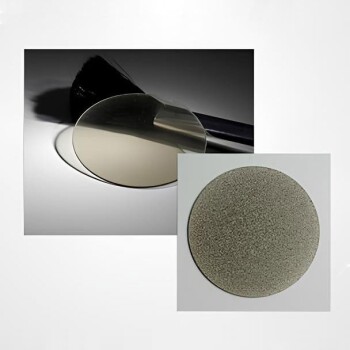
- CVD Diamond Optical Windows for Lab Applications
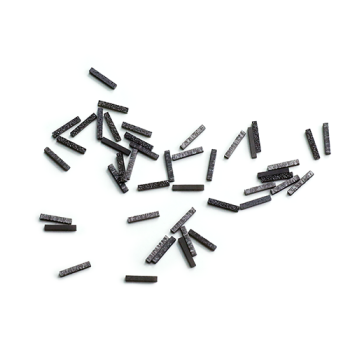
- CVD Diamond Dressing Tools for Precision Applications
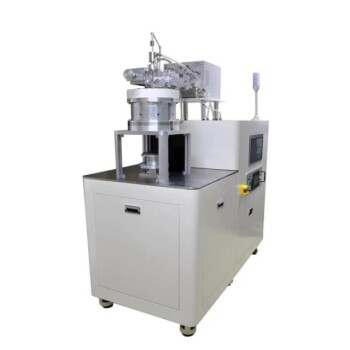
- Microwave Plasma Chemical Vapor Deposition MPCVD Machine System Reactor for Lab and Diamond Growth
- Graphite Vacuum Furnace IGBT Experimental Graphitization Furnace
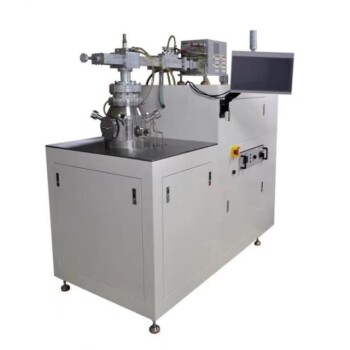
- Cylindrical Resonator MPCVD Machine System Reactor for Microwave Plasma Chemical Vapor Deposition and Lab Diamond Growth
People Also Ask
- How do you manufacture a CVD diamond? Grow Your Own Lab-Created Diamonds with Precision
- What is the composition of a CVD diamond? Discover the Pure Carbon Structure of Lab-Grown Gems
- What is the CVD process diamond? A Guide to Lab-Grown Diamonds for Industrial Use
- How do you make a lab diamond? Discover the HPHT and CVD Methods Explained
- What is the temperature of CVD diamond? Key Insights on Formation and Performance Limits