The primary role of SiC sandpaper and alumina polishing suspension is to mechanically refine the steel surface by removing surface defects and oxides. In the context of AISI 1020 low carbon steel, these materials are used sequentially—from coarse grinding to fine polishing—to create the optimal foundation for subsequent coating applications.
Successful coating deposition relies entirely on the quality of the substrate interface. By eliminating machining marks and oxides, this pretreatment process creates a chemically clean and physically flat surface, which is the prerequisite for uniform nucleation and strong coating adhesion.
The Mechanics of Surface Preparation
Removal of Surface Impurities
The initial phase involves mechanical grinding using SiC (Silicon Carbide) sandpaper. This step is designed to aggressively strip away the native oxide layer that naturally forms on AISI 1020 steel.
Elimination of Machining Defects
Beyond oxide removal, the SiC grinding process addresses physical imperfections. By progressing from coarse to fine grits, the sandpaper effectively erases machining marks and scratches left by previous manufacturing processes.
Achieving High Surface Flatness
Once the heavy lifting of grinding is complete, 1 micrometer alumina polishing suspension is employed for fine treatment. This step smooths the microscopic roughness left by the sandpaper, resulting in a high degree of surface flatness and superior cleanliness.
The Impact on Electrodeposition
Creating Uniform Nucleation Sites
The ultimate goal of using alumina suspension is not just aesthetic; it is electrochemical. A thoroughly cleaned and flattened surface provides consistent, uniform nucleation sites.
Facilitating Coating Growth
When the substrate enters the electrodeposition phase (specifically for Ni–Cr–P coatings), these uniform sites allow the coating ions to deposit evenly across the material. This prevents localized buildup or voids that occur on rougher surfaces.
Enhancing Physical Adhesion
The combination of SiC grinding and alumina polishing significantly improves the physical adhesion between the coating and the steel. By removing barriers like oxides and debris, the coating can bond directly to the substrate, reducing the risk of delamination.
Understanding the Trade-offs
The Necessity of Sequence
This process is not interchangeable; it requires a strict progression from coarse to fine. Using alumina suspension without adequate prior grinding with SiC sandpaper will fail to remove deep machining marks or thick oxide layers, leading to a smooth but potentially defective interface.
The Risk of Incomplete Cleaning
While these abrasives remove material, they can create debris. The definition of "cleanliness" here implies that after polishing, the residue from the SiC and alumina themselves must be completely washed away, or they become contaminants that hinder adhesion rather than help it.
Making the Right Choice for Your Goal
To maximize the performance of your coated steel components, consider how these pretreatment steps align with your specific requirements.
- If your primary focus is Adhesion Strength: Prioritize the SiC sandpaper grinding phase to ensure the absolute removal of the original oxide layer, as this is the primary barrier to bonding.
- If your primary focus is Coating Uniformity: Ensure the alumina polishing step is thorough and reaches the 1-micrometer level, as surface flatness dictates the consistency of nucleation sites.
A coating is only as good as the surface beneath it; rigorous mechanical pretreatment is the single most effective way to guarantee the longevity of the final product.
Summary Table:
| Pretreatment Step | Tool / Material | Key Function | Desired Outcome |
|---|---|---|---|
| Initial Grinding | SiC Sandpaper (Coarse) | Removal of native oxide layer | Chemically clean surface |
| Fine Grinding | SiC Sandpaper (Fine) | Elimination of machining marks | Reduced surface roughness |
| Polishing | Alumina Suspension (1 μm) | Micro-smoothing & cleaning | High flatness & uniform nucleation |
| Final Prep | Post-polishing Wash | Removal of abrasive debris | Contaminant-free interface |
Elevate Your Surface Engineering with KINTEK
Precision in coating starts with the perfect substrate. KINTEK specializes in high-performance laboratory equipment designed for meticulous material preparation and advanced research. Whether you are prepping AISI 1020 steel or developing complex thin films, our comprehensive range of crushing and milling systems, high-temperature furnaces, and precision hydraulic presses ensures your samples meet the most rigorous standards.
From battery research tools to PTFE consumables and ceramic crucibles, we provide the durability and accuracy your lab demands. Don't let substrate impurities compromise your results—leverage our expertise to enhance your material adhesion and coating uniformity.
Ready to optimize your lab workflow? Contact KINTEK today for a tailored solution!
References
- Uttam Kumar Chanda, Soobhankar Pati. Effect of Cr content on the corrosion resistance of Ni–Cr–P coatings for PEMFC metallic bipolar plates. DOI: 10.1007/s40243-019-0158-8
This article is also based on technical information from Kintek Solution Knowledge Base .
Related Products
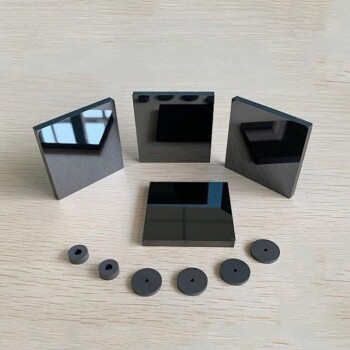
- Silicon Carbide (SIC) Ceramic Sheet Wear-Resistant Engineering Advanced Fine Ceramics
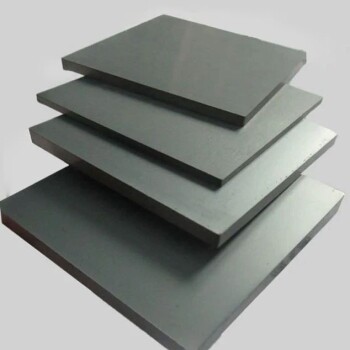
- Silicon Carbide (SIC) Ceramic Plate for Engineering Advanced Fine Ceramics
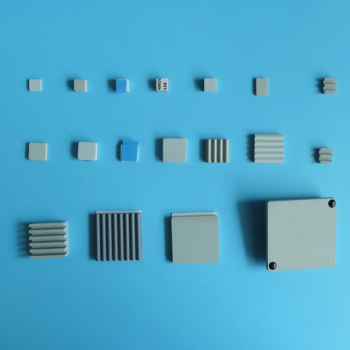
- Silicon Carbide (SIC) Ceramic Sheet Flat Corrugated Heat Sink for Engineering Advanced Fine Ceramics
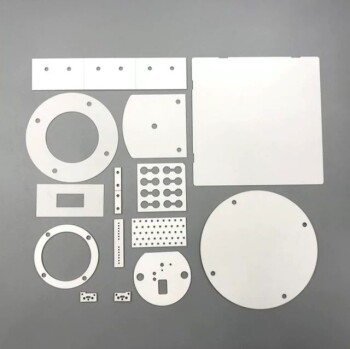
- Custom-Made Alumina Zirconia Special-Shaped Ceramic Plates for Engineering Advanced Fine Ceramics Processing
People Also Ask
- What is the strongest ceramics? Silicon Carbide Leads in Hardness & Thermal Strength
- What are the properties and applications of silicon carbide ceramics? Solve Extreme Engineering Challenges
- What are the uses of silicon carbide ceramics in different industries? Master Extreme Performance in Aerospace, Semiconductors & More
- What are the properties of SiC? Unlock High-Temperature, High-Frequency Performance
- What are the applications of silicon carbide? From Abrasives to High-Tech Semiconductors