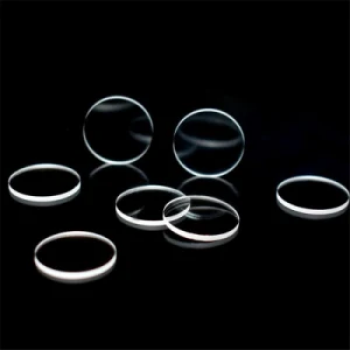
A high-purity quartz liner functions primarily as an inert chemical barrier inside high-pressure reactors. Its main role is to isolate corrosive fluids—typically high-salinity brines and acidic mixtures caused by dissolved CO2—from the stainless steel vessel walls. This isolation prevents structural damage to the reactor and ensures the chemical integrity of the experiment.
The quartz liner serves a dual purpose in harsh experimental conditions: it protects the expensive pressure vessel from corrosion and protects your geochemical data from metal ion contamination.
Preserving Experimental Integrity
Preventing Chemical Contamination
In CO2-water-rock interaction experiments, precise water chemistry analysis is paramount. If the reaction fluid touches the stainless steel reactor wall, the metal can leach ions into the solution.
High-purity quartz is chemically inert. By using it as a liner, you ensure that any changes in the solution's chemistry are the result of the rock-water interaction, not a side reaction with the vessel itself.
Withstanding Acidic Environments
When CO2 dissolves in water under high pressure, it forms carbonic acid. This creates an aggressive, low-pH environment that can degrade standard laboratory metals over time.
The quartz liner is highly resistant to this acidity. It provides a stable containment zone that remains unaffected by the pH changes inherent to geological carbon storage simulations.
Extending Equipment Lifespan
The Barrier Against Saline Corrosion
These experiments often utilize high-salinity brines to replicate deep geological aquifers. The combination of salt, heat, and pressure is notoriously corrosive to stainless steel.
The liner acts as a shield. It prevents these brines from directly contacting and eroding the vessel body, significantly extending the operational life of your high-pressure equipment.
Reducing Maintenance Cycles
Direct contact with corrosive fluids leads to pitting and scaling on the reactor walls. This requires frequent, aggressive cleaning or expensive resurfacing.
By containing the reaction within the quartz, the steel vessel remains relatively clean. This reduces the downtime required for maintenance between experiments.
Understanding the Trade-offs
Mechanical Fragility
While quartz offers superior chemical resistance, it lacks the mechanical toughness of steel. It is brittle and prone to fracture if mishandled.
Care must be taken during the loading of rock samples and the assembly of the reactor. A cracked liner compromises the entire experiment by allowing fluids to bypass the barrier.
Thermal Transfer Considerations
The liner introduces an additional layer between the external heating source and the reaction fluid.
While quartz allows for heat transfer, it is not as conductive as metal. You may need to account for a slight thermal lag when ramping temperatures up or down compared to a direct-contact system.
Making the Right Choice for Your Goal
To determine if a quartz liner is strictly necessary for your specific setup, consider your analytical priorities:
- If your primary focus is Trace Element Analysis: The liner is mandatory to eliminate the release of background metal ions (like Iron or Chromium) that will skew geochemical modeling.
- If your primary focus is Equipment Asset Protection: The liner is essential when working with high-salinity brines to prevent stress corrosion cracking in the pressure vessel.
The quartz liner is the industry standard for ensuring that your results reflect the geology of your sample, not the metallurgy of your lab equipment.
Summary Table:
| Feature | Quartz Liner Function | Benefit to Researcher |
|---|---|---|
| Chemical Inertness | Prevents metal ion leaching into fluids | Ensures high-precision trace element analysis |
| Corrosion Resistance | Shields vessel from carbonic acid and brines | Extends the lifespan of high-pressure equipment |
| Structural Barrier | Isolates fluids from stainless steel walls | Reduces maintenance downtime and vessel scaling |
| Transparency | Non-reactive containment | Eliminates side reactions for accurate geochemical modeling |
Elevate Your Geochemical Research with KINTEK Precision
Don't let metal contamination or vessel corrosion compromise your CO2 sequestration simulations. KINTEK provides industry-leading laboratory solutions, specializing in high-temperature high-pressure reactors and autoclaves equipped with high-purity quartz liners.
Our comprehensive range includes:
- Advanced Reactor Systems: CVD, PECVD, and high-pressure reactors tailored for harsh chemical environments.
- Essential Consumables: High-quality PTFE products, specialized ceramics, and crucibles for seamless experimentation.
- Lab Equipment: From ultra-low temperature freezers to hydraulic presses and milling systems.
Ready to protect your equipment and ensure the accuracy of your geological data? Contact our expert team today to find the perfect reactor configuration for your laboratory's unique needs.
References
- Kaisar Ahmat, Jie Li. CO2-Water-Rock Interactions in Carbonate Formations at the Tazhong Uplift, Tarim Basin, China. DOI: 10.3390/min12050635
This article is also based on technical information from Kintek Solution Knowledge Base .
Related Products
- Visual High-Pressure Reactor for In-Situ Observation
- Stainless High Pressure Autoclave Reactor Laboratory Pressure Reactor
- Customizable High Pressure Reactors for Advanced Scientific and Industrial Applications
- High Pressure Laboratory Autoclave Reactor for Hydrothermal Synthesis
- Mini SS High Pressure Autoclave Reactor for Laboratory Use
People Also Ask
- How do high-pressure reactors enhance biochar redox activity? Optimize Surface Functionalization and Energy Density
- What is the purpose of a high-pressure reactor in oleophilic GO modification? Optimize Grafting and Oil Dispersion.
- How does a high-pressure reactor facilitate reductive amidation? Maximize Yield & Speed in Tandem Reactions
- How does a high-pressure reactor assist in catalytic hydrogenation of 2,6-dimethylnitrobenzene? Optimize Your Process
- What is the significance of using a high-pressure reactor for the treatment of rice husk? Boost Furfural Yield & Speed