A laboratory pyrolysis reactor serves as the controlled environment for the thermochemical conversion of aquaculture waste into biochar. It ensures an oxygen-free (anaerobic) atmosphere while applying precise thermal energy to trigger the chemical decomposition of organic matter. This process specifically promotes dehydration, decarbonization, and aromatization to create a stable, carbon-rich solid framework.
The laboratory reactor is the essential mechanism for transforming unstable biomass into a structured carbon product. By meticulously controlling heat and atmosphere, it dictates the final biochar's chemical stability, pore structure, and nutrient profile.
Creating the Necessary Anaerobic Environment
The Role of Oxygen Exclusion
Pyrolysis requires a strictly oxygen-free environment to prevent the biomass from combusting. If oxygen were present, the material would simply burn to ash rather than forming carbon-rich biochar.
Utilizing Inert Atmospheres
Laboratory reactors, such as tube furnaces, typically use a nitrogen (N2) protective atmosphere or vacuum conditions. This inert gas displaces oxygen, ensuring that the thermal degradation occurs through pure heat rather than oxidation.
Precision Control of Thermal Parameters
Managing Heating Rates and Residence Time
The reactor allows researchers to set specific heating rates, such as 10 °C/min, to control how quickly the biomass decomposes. By adjusting the residence time (the duration the material stays at peak temperature), operators can influence the removal of volatiles and the enrichment of fixed carbon.
Impact of Temperature Calibration
Maintaining a constant temperature, often ranging from 300 °C to 700 °C, is critical for determining the biochar's final properties. For example, a reactor set to 400 °C promotes a specific balance of dehydration and polymerization, which is fundamental for researching phosphorus transformation mechanisms in aquaculture waste.
Facilitating Chemical and Physical Transformation
Structural Aromatization
Under the intense heat of the reactor, organic components undergo aromatization. This process rearranges carbon atoms into stable ring structures, which gives the biochar its longevity and resistance to environmental degradation.
Developing Porosity and Conductivity
The reactor's ability to drive off volatile gases creates a preliminary porous structure within the biochar. This increased surface area and the resulting electrical conductivity are what make the final product useful for water filtration or soil amendment.
Understanding the Trade-offs and Limitations
Precision versus Scalability
While laboratory reactors provide unmatched precision for research, they operate in small batches. Transitioning the results from a controlled laboratory environment to an industrial scale often introduces challenges in maintaining uniform heat distribution.
Byproduct Management
The pyrolysis process generates not only solid biochar but also condensable bio-oils and non-condensable gases. A laboratory setup must include mechanisms to safely capture or vent these byproducts, as they can represent a significant portion of the original biomass weight.
How to Apply This to Your Research
If you are utilizing a laboratory pyrolysis reactor for aquaculture waste, your approach should vary based on your technical objectives:
- If your primary focus is Maximizing Carbon Sequestration: Prioritize lower heating rates and moderate temperatures to ensure the highest yield of solid, stable carbon.
- If your primary focus is Developing High-Porosity Filters: Utilize higher pyrolysis temperatures (above 500 °C) and longer residence times to maximize the removal of volatiles and open the pore structure.
- If your primary focus is Nutrient Recovery (e.g., Phosphorus): Carefully calibrate the temperature to specific thresholds that facilitate the transformation of minerals without causing them to volatilize.
By mastering the reactor's environment, you transform raw aquaculture waste into a high-value, engineered carbon material.
Summary Table:
| Feature | Role in Pyrolysis | Impact on Biochar |
|---|---|---|
| Atmosphere Control | Eliminates oxygen using inert gases (N2) | Prevents combustion; ensures carbon-rich solid yield |
| Temperature Calibration | Precise heating between 300°C – 700°C | Determines pore structure and nutrient stability |
| Heating Rate | Controls speed of thermal degradation | Influences fixed carbon enrichment and volatile removal |
| Residence Time | Manages duration at peak temperature | Enhances structural aromatization and chemical stability |
Elevate Your Biochar Research with KINTEK Precision
Unlock the full potential of your thermochemical research with KINTEK’s advanced laboratory solutions. Whether you are optimizing nutrient recovery or maximizing carbon sequestration from aquaculture waste, our high-precision tube furnaces, vacuum reactors, and atmosphere-controlled systems provide the stable anaerobic environment and thermal accuracy your research demands.
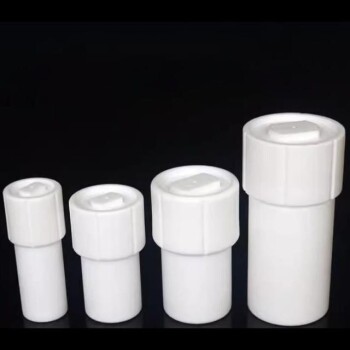
From high-temperature high-pressure reactors to specialized crushing and milling systems, KINTEK delivers the comprehensive tools and high-quality consumables (like PTFE and ceramic crucibles) needed to transform biomass into engineered carbon.
Ready to refine your synthesis process? Contact our laboratory specialists today to find the perfect equipment for your research goals.
References
- K. Jayaraj, Gourav Dhar Bhowmick. Performance Evaluation of Aquaponics-Waste-Based Biochar as a Cathode Catalyst in Sediment Microbial Fuel Cells for Integrated Multitrophic Aquaculture Systems. DOI: 10.3390/en16165922
This article is also based on technical information from Kintek Solution Knowledge Base .
Related Products
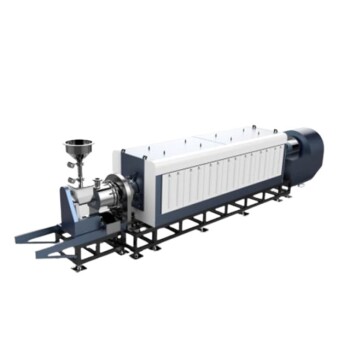
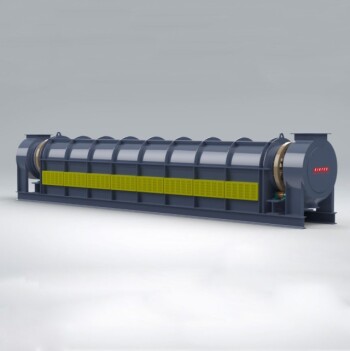
- Electric Rotary Kiln Small Rotary Furnace Biomass Pyrolysis Plant
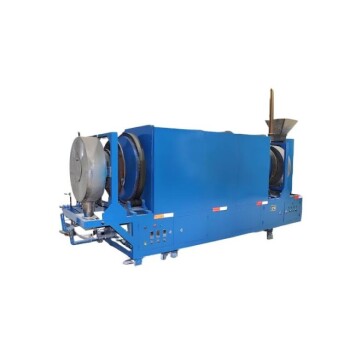
- Electric Rotary Kiln Continuous Working Small Rotary Furnace Heating Pyrolysis Plant
- Customizable Laboratory High Temperature High Pressure Reactors for Diverse Scientific Applications
- High Pressure Laboratory Autoclave Reactor for Hydrothermal Synthesis
- Mini SS High Pressure Autoclave Reactor for Laboratory Use
People Also Ask
- What is the temperature of a rotating kiln? It Depends on Your Material and Process Goal
- What are the different types of calciners? A Guide to Selecting the Right Thermal Processing Equipment
- What are the principles of a rotary kiln? Master the Mechanics of High-Temperature Processing
- How are rotary kilns heated? Direct vs. Indirect Heating Methods Explained
- Is rotary kiln a furnace? Discover the Key Differences for Industrial Processing