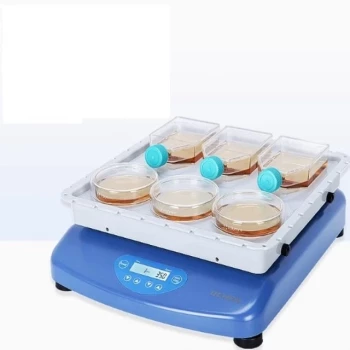
In biological toxicity assessments of treated mine water, a platform shaker serves as a critical standardization tool. Specifically used during algae growth inhibition experiments, it maintains a constant rotation speed (typically 100 rpm) to keep the biological samples in a dynamic state. This mechanical intervention is necessary to prevent cell settling and ensure the test environment accurately reflects the potential impact of water contaminants.
Core Takeaway: Static water samples lead to organism settling and nutrient stagnation, which compromises data integrity. A platform shaker ensures uniform exposure, proper gas exchange, and consistent results, making it indispensable for valid biological toxicity testing.
Optimizing the Test Environment
Preventing Organism Sedimentation
In a static container, microscopic organisms like algae naturally settle to the bottom. This clumping prevents them from interacting evenly with the treated mine water.
A platform shaker prevents this by maintaining constant motion. It keeps the algae cells uniformly distributed and suspended throughout the sample volume, ensuring every cell is equally exposed to the water being tested.
Enhancing Metabolic Processes
Biological assessments rely on the physiological response of the organisms. To grow and respond to toxins, algae require continuous access to resources.
The rotation facilitates essential gas exchange and nutrient absorption. By keeping the medium in motion, the shaker ensures that fresh nutrients and dissolved gases reach the cell membranes efficiently.
Ensuring Scientific Integrity
Simulating Natural Conditions
Laboratory environments are inherently artificial, but toxicity tests must predict real-world outcomes. Natural water bodies are rarely perfectly still; they experience currents and disturbances.
The platform shaker simulates this natural disturbance of water bodies. This creates a more realistic interaction between the organisms and the treated mine water, increasing the ecological relevance of the results.
Guaranteeing Reproducibility
For toxicity data to be actionable, it must be accurate and consistent across different trials. Variables introduced by stagnation can skew results.
By standardizing the physical environment with a set rotation speed, the shaker ensures the experiment is reproducible. This consistency allows researchers to attribute changes in algae growth strictly to the water's toxicity, rather than environmental inconsistencies.
Common Pitfalls in Agitation Control
The Balance of Rotation Speed
While agitation is vital, the specific speed—such as the 100 rpm noted in standard protocols—is not arbitrary. It represents a precise balance required for validity.
Excessive speed can introduce shear stress that physically damages the algae, leading to false toxicity readings. Insufficient speed will fail to keep cells in suspension, leading to nutrient deprivation and inaccurate growth curves.
Standardizing Your Experimental Protocol
To ensure your biological toxicity assessments yield valid data, you must control the physical variables of your test environment.
- If your primary focus is Data Accuracy: Ensure your platform shaker creates a uniform suspension to guarantee equal exposure of all test organisms to the treated water.
- If your primary focus is Ecological Relevance: Calibrate the rotation speed (e.g., 100 rpm) to accurately simulate natural water disturbances and facilitate proper gas exchange.
Ultimately, the platform shaker transforms a static container into a dynamic, life-sustaining environment that creates trustworthy data.
Summary Table:
| Feature | Impact on Toxicity Assessment | Benefit for Biological Samples |
|---|---|---|
| Constant Motion | Prevents cell settling/clumping | Ensures uniform exposure to contaminants |
| Gas Exchange | Enhances CO2/O2 diffusion | Supports healthy metabolic & growth rates |
| Standardized RPM | Eliminates physical variables | Guarantees reproducibility and data integrity |
| Natural Simulation | Mimics water body disturbances | Increases ecological relevance of test results |
Elevate Your Laboratory Precision with KINTEK
Precise biological assessments demand reliable environmental control. KINTEK provides high-performance platform shakers and shakers designed to maintain the rigorous standards required for toxicity testing and algae growth studies. Beyond agitation, our comprehensive portfolio supports every stage of your research—from crushing and milling systems for sample preparation to high-temperature furnaces, reactors, and ultra-low temperature freezers for complex material analysis.
Whether you are assessing treated mine water or developing new chemical processes, KINTEK delivers the durability and accuracy your data depends on. Contact us today to optimize your lab's performance!
References
- Mohammadali Baghbanzadeh, Richard R. Goulet. Assessment of Membrane and Electrochemical Technologies for the Treatment of a Selenium-Bearing Mine water: Technology Performance and Effect on Toxicity and Bioaccumulation. DOI: 10.1007/s10230-023-00942-6
This article is also based on technical information from Kintek Solution Knowledge Base .
Related Products
- Laboratory Oscillating Orbital Shaker
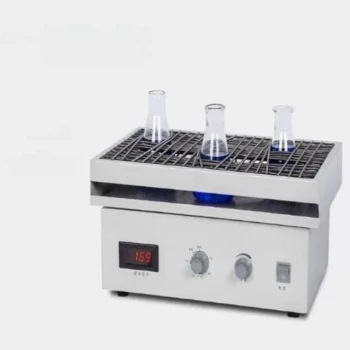
- Laboratory Multifunctional Small Speed-Adjustable Horizontal Mechanical Shaker for Lab
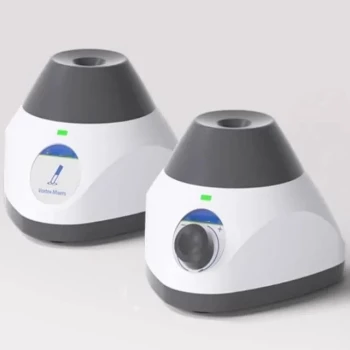
- Laboratory Vortex Mixer Orbital Shaker Multifunctional Rotation Oscillation Mixer
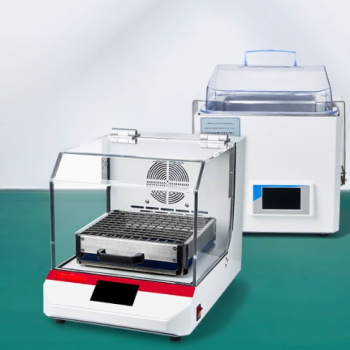
- Shaking Incubators for Diverse Laboratory Applications
- Vibratory Sieve Shaker Machine Dry Three-Dimensional Vibrating Sieve
People Also Ask
- What is the role of a laboratory orbital shaker in activated carbon synthesis? Maximize Pore Depth & Surface Area
- What is the role of a laboratory orbital shaker in copper recovery? Optimize Industrial Waste Liquid Processing
- Why are high-precision shakers required for graphene oxide kinetic studies? Ensure Data Accuracy and Rapid Equilibrium
- What is the role of a laboratory shaker in silane sol preparation? Master Uniform Aramid Fabric Coating
- Why is a laboratory shaker required for continuous 24-hour catalyst treatment? Achieve Deep Uniform Impregnation