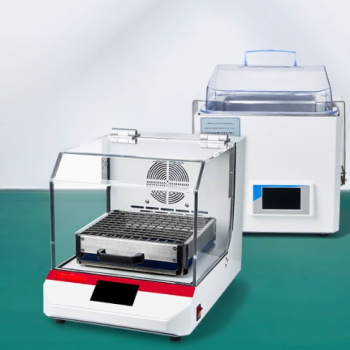
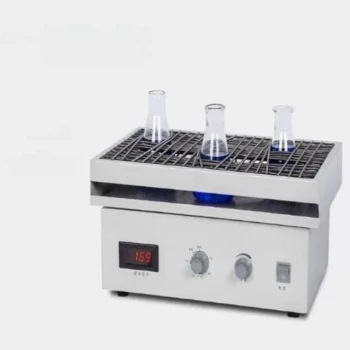
A reciprocating shaker serves as the mechanical driver for maintaining aerobic conditions during fungal cultivation. It provides continuous agitation to liquid culture media (or inoculated agar), ensuring that oxygen is efficiently transferred from the air into the liquid. This process is essential for generating the highly active, vigorous mycelial suspensions required for effective biomass pretreatment.
The core function of a reciprocating shaker is to overcome oxygen limitations in liquid media by maximizing gas-liquid contact. By facilitating the dissolution and diffusion of oxygen, it ensures fungi maintain the metabolic activity necessary to produce robust mycelium.
The Mechanics of Oxygen Transfer
Overcoming Diffusion Limits
Fungi cultivated in liquid media face a significant physical barrier: oxygen dissolves and diffuses much slower in water than in air.
Without active intervention, the fungi rapidly deplete the available oxygen in their immediate environment.
The reciprocating shaker solves this by providing continuous mechanical agitation throughout the cultivation cycle.
Increasing Gas-Liquid Contact
The primary mechanism for improved oxygenation is the expansion of the gas-liquid contact area.
As the shaker moves, it creates turbulence that constantly exposes new layers of the liquid medium to the atmosphere.
This action promotes the efficient dissolution of oxygen into the fluid, ensuring it diffuses deeply enough to reach all fungal cells.
Biological Impact on Mycelium
Fueling Metabolic Activity
Oxygen is the critical fuel for fungal metabolism in this context.
By maintaining high oxygen levels through agitation, the shaker ensures the fungi do not enter a dormant or anaerobic state.
This allows the culture to sustain high metabolic rates, which is necessary for the breakdown of biomass during pretreatment.
Creating Vigorous Suspensions
The ultimate output of this process is a vigorous and highly active mycelial suspension.
Static cultures often result in uneven growth or lower biological activity.
In contrast, the agitated environment produces a uniform, potent suspension ready for downstream applications.
Understanding Process Dependencies
The Requirement for Continuous Motion
The effectiveness of the system relies entirely on the continuity of agitation.
Because oxygen demand is constant, any interruption in the shaker's movement immediately reduces the gas-liquid contact area.
This can lead to a rapid drop in dissolved oxygen, compromising the vigor of the mycelium.
Agitation Intensity and Dissolution
The rate of oxygen dissolution is directly linked to the efficiency of the mechanical movement.
Simple presence in the liquid is insufficient; the shaker must generate enough movement to actively drive diffusion.
Failure to achieve sufficient agitation results in a culture that lacks the metabolic activity required for effective biomass pretreatment.
Making the Right Choice for Your Goal
To ensure your fungal cultivation yields the best results for biomass pretreatment, align your equipment settings with your biological requirements.
- If your primary focus is maximizing metabolic rate: Ensure the shaker provides continuous, uninterrupted agitation to prevent oxygen depletion.
- If your primary focus is culture uniformity: Utilize the shaker to maintain a consistent gas-liquid contact area, preventing stratification in the suspension.
The reciprocating shaker is not just a mixer; it is the life-support system that transforms a static culture into a potent biological tool.
Summary Table:
| Feature | Role in Mycelium Cultivation | Impact on Biomass Pretreatment |
|---|---|---|
| Mechanical Agitation | Ensures continuous gas-liquid contact | Prevents anaerobic states and metabolic stalls |
| Oxygen Diffusion | Overcomes water-based diffusion limits | Fuels high metabolic rates for cell growth |
| Culture Turbulence | Promotes uniform oxygen dissolution | Creates potent, vigorous mycelial suspensions |
| Uniformity | Prevents stratification in liquid media | Ensures consistent biological activity for processing |
Elevate Your Research with KINTEK Precision Shakers
Maximize the potency of your fungal cultures and streamline your biomass pretreatment workflows with KINTEK’s high-performance shakers and laboratory solutions. As a leader in laboratory equipment, KINTEK offers a comprehensive range of homogenizers, shakers, and cooling solutions designed to meet the rigorous demands of modern biotechnology.
From high-temperature furnaces and hydraulic presses to specialized PTFE products and ceramics, we provide the tools needed for every stage of material and biological research. Don't let oxygen limitations hinder your results—partner with KINTEK for reliable, continuous agitation and superior metabolic performance.
Ready to optimize your lab's productivity? Contact our experts today to find the perfect equipment for your application!
References
- Meng Li, Zhenzhong Gao. Synergistic effect of mixed fungal pretreatment on thermogravimetric characteristics of rice straw. DOI: 10.15376/biores.16.2.3978-3990
This article is also based on technical information from Kintek Solution Knowledge Base .
Related Products
- Laboratory Oscillating Orbital Shaker
- Laboratory Vibratory Sieve Shaker Machine Slap Vibrating Sieve
- Laboratory Wet Three-Dimensional Vibratory Sieve Shaker Machine
- Laboratory Vibratory Sieve Shaker Machine for Dry and Wet Three-Dimensional Sieving
- Shaking Incubators for Diverse Laboratory Applications
People Also Ask
- What is the role of a laboratory orbital shaker in activated carbon synthesis? Maximize Pore Depth & Surface Area
- What is the role of a laboratory orbital shaker in copper recovery? Optimize Industrial Waste Liquid Processing
- Why are high-precision shakers required for graphene oxide kinetic studies? Ensure Data Accuracy and Rapid Equilibrium
- What is the role of a laboratory shaker in silane sol preparation? Master Uniform Aramid Fabric Coating
- Why is a laboratory shaker required for continuous 24-hour catalyst treatment? Achieve Deep Uniform Impregnation