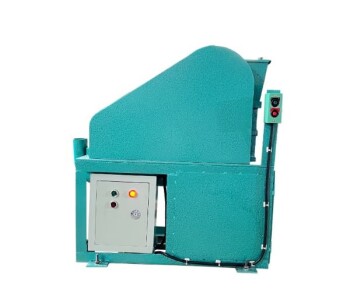
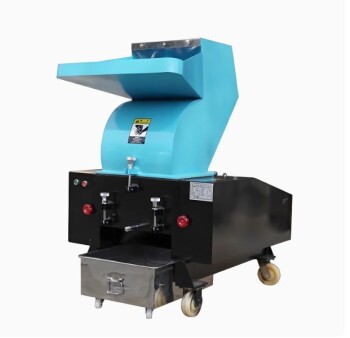
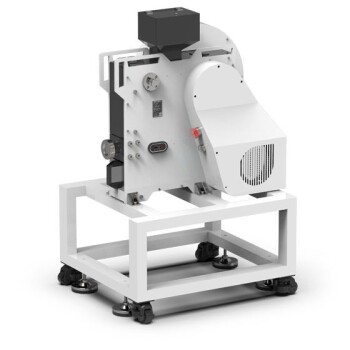
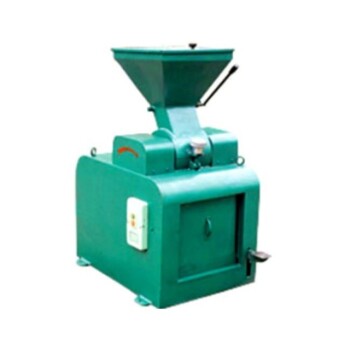
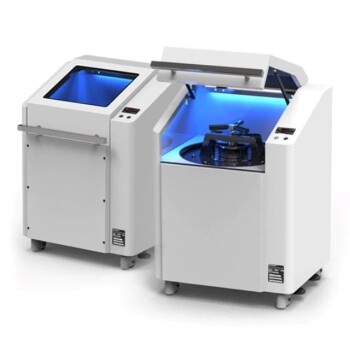
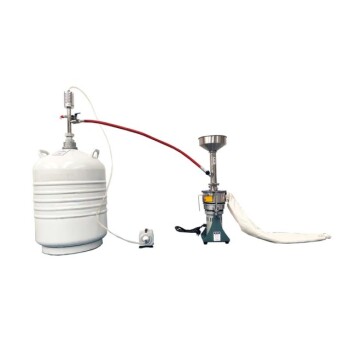
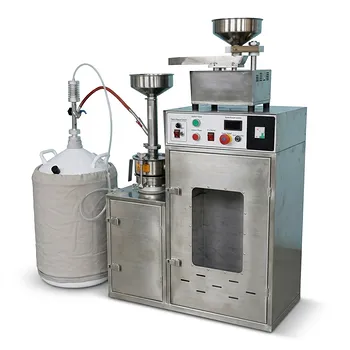
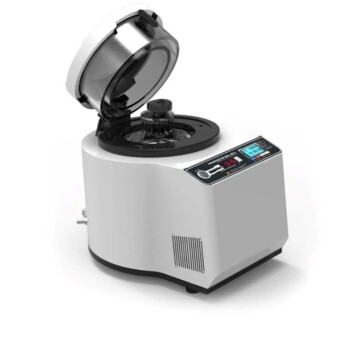
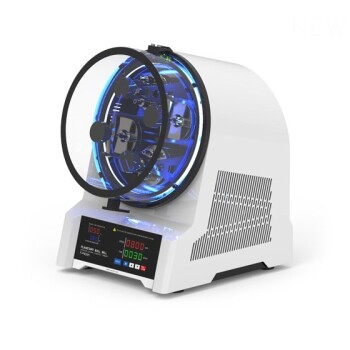
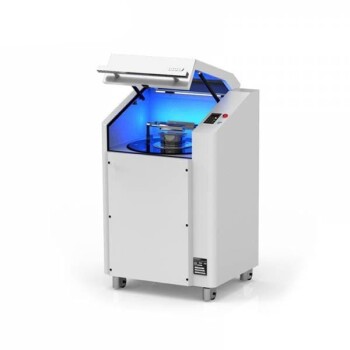
Mechanical crushing equipment serves as the foundational physical intervention in the pretreatment of lignocellulosic biomass for Acetone-Butanol-Ethanol (ABE) fermentation. It utilizes cutting and grinding mechanisms to drastically reduce the particle size of raw materials, breaking down the naturally dense structure of plant cell walls to prepare the biomass for subsequent processing.
Core Insight: The primary function of mechanical crushing is to reduce mass transfer resistance. By physically fracturing the biomass and increasing its specific surface area, this equipment ensures that chemical reagents and enzymes can access and release fermentable sugars efficiently during the later hydrolysis stages.
The Mechanics of Physical Disruption
Reduction of Particle Size
The immediate output of mechanical crushing equipment is the transformation of bulky raw materials into finer fragments.
Through physical means such as cutting, grinding, and milling, the equipment processes the biomass to a specific size suitable for the fermentation workflow. This is not merely about handling; it is about altering the physical state of the material to make it reactive.
Increasing Specific Surface Area
As particle size decreases, the specific surface area of the biomass increases significantly.
This expansion of surface area creates a higher volume of contact points. These contact points are critical entryways for the chemical or biological agents introduced in later stages, directly influencing the speed and thoroughness of the reaction.
Breaking Down Cell Wall Density
Lignocellulosic biomass possesses a naturally dense, resistant structure designed to protect the plant.
Mechanical crushing physically disrupts this architecture. By fracturing the fibrous structure, the equipment breaks the dense seal of the cell walls, exposing the internal cellulose components that are otherwise locked away from processing agents.
Optimizing for Chemical and Enzymatic Efficiency
Reducing Mass Transfer Resistance
The most significant technical benefit of mechanical crushing is the reduction of mass transfer resistance.
In an uncrushed state, enzymes and chemicals struggle to penetrate the biomass core. Crushing minimizes the physical distance these agents must travel, allowing them to diffuse rapidly into the material during thermochemical or enzymatic deconstruction.
Improving Sugar Conversion Rates
The ultimate goal of ABE fermentation is the conversion of sugars into solvents.
By enhancing accessibility to the cellulose, mechanical crushing directly correlates to the conversion efficiency of fermentable sugars. It ensures that the subsequent hydrolysis process yields the maximum amount of fermentable carbon sources required by microorganisms for synthesis.
Understanding the Operational Trade-offs
Mechanical Preparation vs. Chemical Conversion
It is vital to recognize that mechanical crushing is an enabling step, not a conversion step.
While it significantly reduces crystallinity and polymerization, it does not chemically convert the biomass into ABE solvents on its own. It acts solely to facilitate the efficiency of the chemical or enzymatic hydrolysis that follows.
The Limits of Physical Access
While crushing increases surface area, it must be paired with effective downstream processing.
Simply reducing particle size does not guarantee high yields if the subsequent enzymatic or chemical hydrolysis is poorly optimized. The mechanical stage clears the path, but the chemical stage must still walk it.
Making the Right Choice for Your Goal
Mechanical crushing is the prerequisite for high-yield fermentation. Depending on your specific process targets, your focus on this stage may vary.
- If your primary focus is reaction speed: Prioritize equipment that yields the finest particle size to maximize specific surface area and minimize diffusion time.
- If your primary focus is maximum sugar yield: Ensure your crushing process is aggressive enough to thoroughly disrupt the dense cell wall structure, leaving no cellulose inaccessible to enzymes.
Success in ABE fermentation begins with effectively unlocking the raw material at the physical level.
Summary Table:
| Feature | Mechanical Crushing Role | Impact on ABE Fermentation |
|---|---|---|
| Particle Size | Drastic reduction through cutting/grinding | Improves handling and material reactivity |
| Surface Area | Significant increase in specific surface area | Enhances contact points for enzymes and reagents |
| Cell Wall Structure | Physical disruption of dense fibrous architecture | Unlocks internal cellulose for chemical access |
| Mass Transfer | Minimizes diffusion distance for reagents | Accelerates reaction speed and chemical penetration |
| Sugar Yield | Optimizes accessibility to fermentable sugars | Directly boosts overall conversion efficiency |
Unlock the Full Potential of Your Biomass Research
Maximize your fermentation yields with KINTEK’s industry-leading mechanical preparation solutions. From precision crushing and milling systems to high-performance sieving equipment, KINTEK provides the foundational tools needed to eliminate mass transfer resistance and optimize sugar conversion.
Whether you are refining pretreatment protocols or scaling up production, our comprehensive portfolio—including high-temperature high-pressure reactors, PTFE products, and laboratory centrifuges—is designed to meet the rigorous demands of advanced biomass research.
Ready to enhance your lab's efficiency and conversion rates? Contact KINTEK today for expert guidance and tailored equipment solutions!
References
- Lorianna Mahalingam, Mailin Misson. Lignocellulosic Biomass – A Sustainable Feedstock for Acetone-Butanol-Ethanol Fermentation. DOI: 10.3311/ppch.18574
This article is also based on technical information from Kintek Solution Knowledge Base .
Related Products
- Sealed Jaw Crusher High Efficiency Environmental Protection Safe and Reliable
- Powerful Plastic Crusher Machine
- Laboratory Jaw Crusher
- Laboratory Sealed Hammer Crusher for Efficient Sample Preparation
- Laboratory Disc Cup Vibratory Mill for Sample Grinding
People Also Ask
- How does a jaw crusher contribute to the primary processing of slate waste? Optimize Your Size Reduction Workflow
- What is the primary function of a jaw crusher in ore pre-treatment? Optimize Your Magnesite & Limonite Processing
- What is the use of jaw crusher in laboratory? The Essential First Step for Sample Reduction
- What is a laboratory crusher? The First Step to Accurate Sample Analysis
- What is a jaw crusher for labs? The Essential First Step for Accurate Sample Analysis