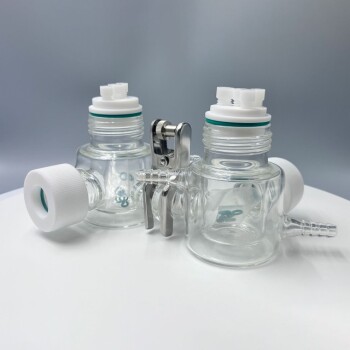
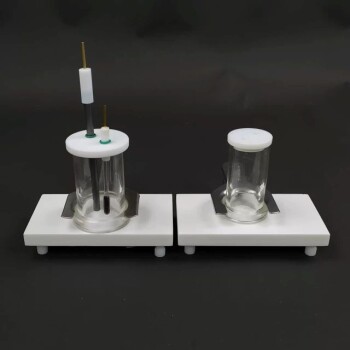
Integrated membrane technologies specifically address the physical limitation of mass transfer in wastewater streams containing low concentrations of pollutants. In standard electrocatalytic systems, dilute contaminants struggle to make contact with the electrode, leading to inefficient processing. Membrane components solve this by guiding pollutants to the electrode surface, creating a concentrated zone that facilitates reaction.
The core advantage of this integration is the local enrichment of pollutants at the electrode interface. This mechanism directly counteracts the slow reaction kinetics inherent to dilute solutions, significantly boosting both degradation rates and energy efficiency.
The Core Challenge: Mass Transfer Limitations
The Problem with Dilute Solutions
In conventional electrocatalytic reactors, the efficiency of the system is often dictated by how quickly a pollutant molecule can reach the electrode.
When dealing with low-concentration pollutants, this physical movement (mass transfer) becomes a bottleneck.
The pollutants are too sparse to maintain a steady reaction rate, leading to wasted energy and time.
Addressing Slow Reaction Kinetics
Because the pollutants are spread thinly throughout the water, the reaction kinetics—the speed at which the chemical breakdown occurs—are naturally slow.
The system is chemically capable of degrading the waste, but physically unable to access it fast enough.
This creates a significant drag on performance, particularly for persistent organic pollutants that require direct contact with the reactor's active sites.
How Membrane Integration Solves the Issue
Guided Pollutant Enrichment
Integrated membranes function as a sophisticated guide within the reactor.
Their primary technical role is to direct pollutants toward the electrode surface.
This process artificially increases the concentration of contaminants right where the reaction happens, a process known as enrichment.
Boosting Degradation Rates
By enriching the pollutants at the electrode surface, the membrane ensures the catalyst is constantly supplied with material to process.
This effectively removes the mass transfer bottleneck.
Consequently, the degradation rates for persistent organic pollutants are substantially improved compared to non-membrane systems.
Improving Energy Efficiency
When the electrode is starved of pollutants, energy is consumed without doing useful work.
By ensuring a higher concentration of reactants at the surface, the system ensures that the electrical energy input is utilized for actual degradation.
This leads to a marked improvement in the overall energy efficiency of the reactor.
Understanding the Scope of Application
Targeted vs. Bulk Treatment
It is important to recognize that this technology is specifically optimized for specific conditions.
The text highlights its effectiveness for low-concentration and persistent organic pollutants.
Applying this specifically to high-concentration streams where mass transfer is not the limiting factor may not yield the same relative efficiency gains.
The Role of Specificity
The success of this approach relies on the membrane's ability to guide the specific target pollutants.
The value add is highest when the primary constraint is the dilute nature of the wastewater, rather than the chemical stability of the pollutant alone.
Making the Right Choice for Your Goal
When evaluating electrocatalytic membrane reactors, consider the nature of your wastewater stream.
- If your primary focus is treating dilute wastewater: The membrane's ability to enrich pollutants at the surface will be the critical factor in making the process viable.
- If your primary focus is energy efficiency: This integration prevents energy waste by ensuring the electrode is always active against concentrated pollutants, rather than dilute water.
Membrane integration transforms the passive treatment of dilute streams into an active, high-efficiency degradation process.
Summary Table:
| Technical Challenge | Impact on Efficiency | Integrated Membrane Solution |
|---|---|---|
| Mass Transfer Limitation | Dilute pollutants fail to reach the electrode. | Guiding pollutants directly to the electrode surface. |
| Slow Reaction Kinetics | Reduced degradation rates in sparse solutions. | Localized enrichment to accelerate chemical reactions. |
| Energy Wastage | Power consumed without active pollutant contact. | Maximizing energy utilization through higher reactant density. |
| Persistent Pollutants | Inefficient treatment of organic contaminants. | Continuous supply of material to the catalyst active sites. |
Elevate Your Environmental Research with KINTEK
Facing challenges with mass transfer or dilute pollutant degradation? KINTEK specializes in advanced laboratory solutions designed for high-performance electrochemistry and wastewater treatment research. From high-precision electrolytic cells and electrodes to specialized high-pressure reactors and cooling systems, we provide the tools you need to optimize reactor efficiency and degradation rates.
Our value to you:
- Comprehensive Portfolio: Access a wide range of laboratory equipment including hydraulic presses, ceramics, and PTFE consumables.
- Precision Engineering: Ensure repeatable results in persistent organic pollutant studies.
- Expert Support: Benefit from our expertise in high-temperature and high-pressure research environments.
Contact KINTEK Today to Optimize Your Reactor Performance
References
- Ioannis V. Yentekakis, Fan Dong. Grand Challenges for Catalytic Remediation in Environmental and Energy Applications Toward a Cleaner and Sustainable Future. DOI: 10.3389/fenvc.2020.00005
This article is also based on technical information from Kintek Solution Knowledge Base .
Related Products
- Customizable Laboratory High Temperature High Pressure Reactors for Diverse Scientific Applications
- Electric Rotary Kiln Small Rotary Furnace for Activated Carbon Regeneration
- High Pressure Laboratory Autoclave Reactor for Hydrothermal Synthesis
- Electrolytic Electrochemical Cell Gas Diffusion Liquid Flow Reaction Cell
- Stainless High Pressure Autoclave Reactor Laboratory Pressure Reactor
People Also Ask
- How do high-pressure and high-temperature reactors ensure the effective treatment of lignocellulosic wastewater in WAO?
- What equipment is required for high-pressure high-temperature reactions? Master Extreme Chemistry Safely
- How do you control high pressure in a reactor? A Guide to Safe & Stable Operation
- How does initial oxygen pressure affect the wet oxidation of pharmaceutical sludge? Master Your Oxidation Depth
- Why is argon better than nitrogen for inert atmosphere? Ensure Absolute Reactivity & Stability