A high-pressure autoclave establishes a rigorously controlled reaction environment defined by three critical variables: elevated temperature (specifically 105°C), significant oxygen partial pressure (up to 0.5 MPa), and vigorous mechanical agitation. These conditions work in concert to facilitate the oxidative leaching of mixed sulfides by ensuring the solid slurry, sulfuric acid solution, and oxygen gas interact efficiently.
Core Takeaway The autoclave does not just heat the material; it acts as a kinetic accelerator for multi-phase reactions. By integrating high pressure and induction stirring, it overcomes the natural mass transfer limitations between gas, liquid, and solid phases to accurately simulate sulfide oxidation behavior.
The Core Operational Parameters
To effectively study the oxidative leaching of mixed sulfides, the autoclave provides a specialized triad of conditions that standard laboratory equipment cannot match.
Elevated Temperature Control
The system maintains a stable, high-temperature environment, explicitly cited at 105°C.
This thermal energy is the foundational driver for the leaching reaction, providing the necessary heat to initiate and sustain the oxidation process.
Oxygen Partial Pressure
A critical feature of the autoclave is its ability to sustain a high oxygen partial pressure, reaching up to 0.5 MPa.
This pressurization ensures that a sufficient concentration of the oxidant (oxygen) is available in the system to drive the chemical transformation of the sulfides.
Induction Stirring Mechanism
Perhaps the most dynamic condition is the active mixing provided by an induction stirring device.
This mechanism is essential for integrating the solid sulfide slurry with the sulfuric acid solution and the pressurized oxygen, ensuring a homogenous reaction zone.
Why These Conditions Matter
The physical conditions of the autoclave are designed to solve specific physical challenges inherent to mixed sulfide leaching.
Overcoming Phase Barriers
The leaching process involves three distinct phases: gas (oxygen), liquid (acid), and solid (sulfide slurry).
Without intervention, these phases interact slowly. The autoclave’s conditions accelerate the mass transfer between these phases, forcing them into contact to speed up the reaction.
Accurate Simulation
The ultimate goal of these specific parameters is to simulate and study sulfide oxidation behavior realistically.
By controlling the pressure, temperature, and mixing intensity, researchers can replicate the complex kinetics that occur during industrial oxidative leaching.
Understanding the Operational Trade-offs
While the high-pressure autoclave enables efficient leaching, it introduces specific operational dependencies that must be managed.
The Necessity of Agitation
The presence of high heat and pressure alone is insufficient for this process.
Because the reaction involves a solid slurry and a gas, the system is heavily dependent on the induction stirring device. If agitation is inadequate, the mass transfer rates drop significantly, rendering the high pressure and temperature ineffective.
Complexity vs. Control
Achieving a simulated environment requires managing high-pressure safety and precise thermal regulation simultaneously.
This equipment complexity is the necessary trade-off for obtaining accurate data on how mixed sulfides behave under oxidative stress.
Making the Right Choice for Your Goal
When designing your experimental protocols or analyzing leaching data, consider how these variables influence your specific objectives.
- If your primary focus is Reaction Kinetics: Prioritize the efficiency of the induction stirring device, as this drives the mass transfer rate between the gas, liquid, and solid phases.
- If your primary focus is Process Simulation: Ensure your parameters strictly maintain the 105°C temperature and 0.5 MPa oxygen pressure to accurately model standard oxidation behavior.
Successful oxidative leaching relies not just on the presence of oxygen, but on the mechanical and thermal force applied to drive it into the solid phase.
Summary Table:
| Feature | Parameter | Role in Oxidative Leaching |
|---|---|---|
| Temperature | 105°C | Initiates and sustains the oxidation reaction kinetic foundation. |
| Oxygen Pressure | Up to 0.5 MPa | Provides sufficient oxidant concentration for chemical transformation. |
| Agitation | Induction Stirring | Facilitates mass transfer between gas, liquid, and solid phases. |
| Reaction Focus | Multi-phase Simulation | Overcomes phase barriers to accurately model industrial kinetics. |
Elevate Your Geometallurgical Research with KINTEK
Unlock the full potential of your oxidative leaching studies with KINTEK’s precision-engineered high-pressure high-pressure reactors and autoclaves. Specifically designed for the rigorous demands of mixed sulfide processing, our systems provide the stable 105°C thermal control, 0.5 MPa oxygen management, and high-torque induction stirring necessary to overcome mass transfer limitations.
From crushing and milling systems for sample preparation to advanced reactors for complex kinetics, KINTEK offers a comprehensive range of laboratory equipment including high-temperature furnaces, hydraulic presses, and essential ceramics.
Ready to simulate industrial-scale oxidation in your lab? Contact us today to discover how our specialized autoclaves and consumables can drive your research forward.
References
- Hiroshi Kobayashi, Masaki Imamura. Selective Nickel Leaching from Nickel and Cobalt Mixed Sulfide Using Sulfuric Acid. DOI: 10.2320/matertrans.m2018080
This article is also based on technical information from Kintek Solution Knowledge Base .
Related Products
- Mini SS High Pressure Autoclave Reactor for Laboratory Use
- High Pressure Laboratory Autoclave Reactor for Hydrothermal Synthesis
- Stainless High Pressure Autoclave Reactor Laboratory Pressure Reactor
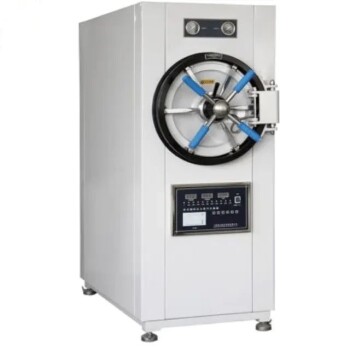
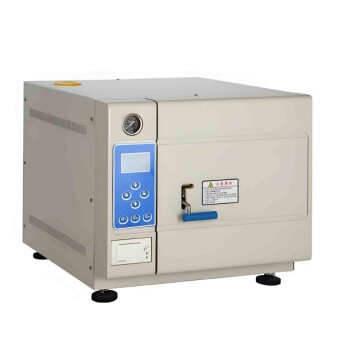
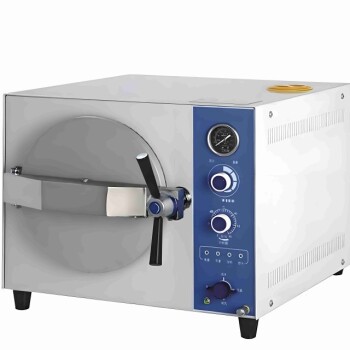
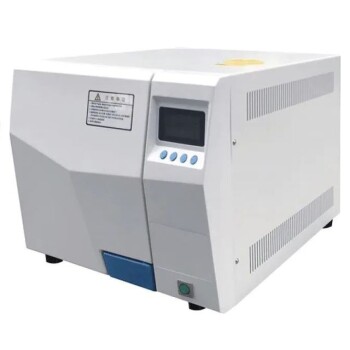
- Desktop Fast High Pressure Laboratory Autoclave Sterilizer 16L 24L for Lab Use
- Laboratory High Pressure Horizontal Autoclave Steam Sterilizer for Lab Use
People Also Ask
- Why use high-pressure reactors for molecular sieve synthesis? Unlock Superior Crystallinity and Framework Control
- What are the advantages of using a high-pressure reactor like an autoclave? Maximize Liquefaction Speed & Yield
- What is the function of a high-pressure reactor autoclave? Enhancing Cu/N Co-Doped Carbon Catalyst Synthesis
- Why are high-pressure reactors or autoclaves necessary for the synthesis of new functional materials? Unlock Precision.
- How are high-pressure reactors used to prepare metaphosphate electrocatalysts? Master In-Situ Precursor Growth