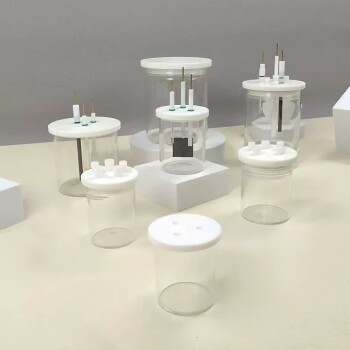
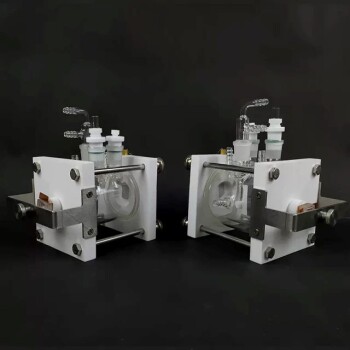
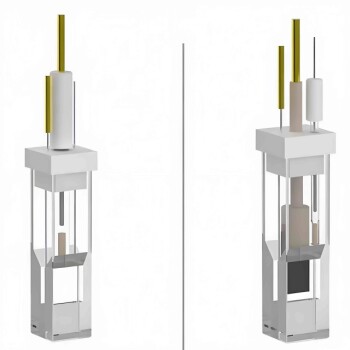
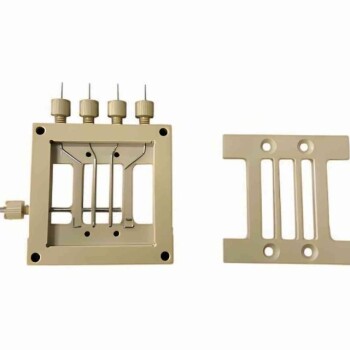
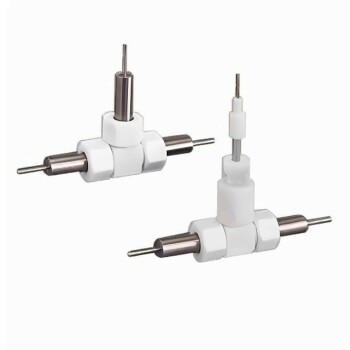
Electrolytic polishing cells and compatible electrolytes are necessary for MA956 steel characterization because they provide the only reliable method to remove surface deformation caused by mechanical grinding. By utilizing controlled anodic dissolution, this process eliminates the work-hardened layer to reveal the material’s true grain boundary structure.
Core Insight: Mechanical polishing inevitably distorts the surface of MA956 steel, creating a "disturbed layer" that masks true microstructural features. Electrolytic polishing chemically dissolves this layer, creating a stress-free surface essential for analyzing ultrafine structures in critical areas like the Thermomechanically Affected Zone (TMAZ).
The Limitations of Mechanical Polishing
The Creation of a Disturbed Layer
Standard mechanical grinding and polishing rely on physical abrasion.
While effective for general flatness, this process leaves behind microscopic scratches and a work-hardened layer on the surface of FeCrAl alloys like MA956.
Obscuring the Microstructure
This disturbed layer effectively acts as a mask.
It prevents the accurate observation of grain boundaries and deformed grain characteristics, rendering high-precision optical microscopy unreliable for deep microstructural analysis.
How Electrolytic Polishing Solves the Problem
Controlled Anodic Dissolution
Electrolytic polishing replaces physical abrasion with electrochemical removal.
By applying a specific voltage within an electrolytic cell, the system performs controlled anodic dissolution. This gently removes the surface material atom by atom rather than tearing it away physically.
The Role of the Electrolyte
The chemistry is as critical as the voltage.
A specific solution of perchloric acid and ethanol is required for MA956 steel. This compatible electrolyte ensures the dissolution is uniform, resulting in a highly flat, stress-free surface.
Revealing Ultrafine Structures
For MA956 steel, particularly after processes like Friction Stir Welding (FSW), mechanical integrity is defined by minute details.
Electrolytic polishing is decisive for observing ultrafine microstructural evolution. It is the only way to clearly visualize the Stir Zone (SZ) and the Thermomechanically Affected Zone (TMAZ) without the interference of surface deformation artifacts.
Understanding the Trade-offs
Chemical Handling Requirements
While technically superior, this method introduces safety complexities.
Perchloric acid is a strong oxidizer and requires careful handling, specific storage, and safety protocols that mechanical polishing does not demand.
Parameter Sensitivity
Success is not guaranteed by chemistry alone.
The process relies on a precise voltage application. Deviating from the specific voltage window can lead to pitting (etching) rather than polishing, or insufficient material removal, failing to eliminate the work-hardened layer.
Making the Right Choice for Your Goal
To ensure your characterization data is valid, select your method based on the fidelity required:
- If your primary focus is general surface flatness: Mechanical polishing may suffice for macroscopic flatness, but be aware of the underlying disturbed layer.
- If your primary focus is accurate grain structure analysis: You must use electrolytic polishing to remove the work-hardened layer and reveal the true grain boundaries.
- If your primary focus is FSW zone analysis (TMAZ/SZ): Electrolytic polishing with perchloric acid and ethanol is mandatory to visualize the ultrafine microstructural evolution accurately.
For MA956 steel, true microstructural clarity is only achieved when the surface stress of mechanical preparation is chemically removed.
Summary Table:
| Feature | Mechanical Polishing | Electrolytic Polishing |
|---|---|---|
| Mechanism | Physical Abrasion | Controlled Anodic Dissolution |
| Surface Effect | Leaves work-hardened layer | Creates stress-free surface |
| Clarity | Masked by scratches/deformation | Reveals ultrafine grain boundaries |
| Best For | General flatness | TMAZ & Stir Zone (SZ) analysis |
| Consumables | Abrasive papers & diamond paste | Perchloric acid & Ethanol electrolyte |
Precision characterization begins with the right preparation. KINTEK specializes in high-quality laboratory equipment, including specialized electrolytic cells and electrodes designed for the rigorous demands of material science. Whether you are analyzing MA956 steel or developing advanced batteries, our comprehensive range—from high-temperature furnaces and crushing systems to precision hydraulic presses and cooling solutions—is engineered to ensure your research integrity. Contact KINTEK today to equip your lab with the tools necessary for uncovering the true microstructural evolution of your materials.
References
- Bradford W. Baker, Samuel Sanderson. Processing-Microstructure Relationships in Friction Stir Welding of MA956 Oxide Dispersion Strengthened Steel. DOI: 10.1007/s40553-014-0033-6
This article is also based on technical information from Kintek Solution Knowledge Base .
Related Products
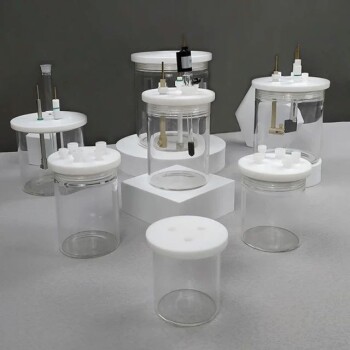
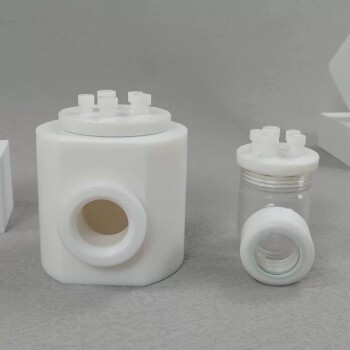
- PTFE Electrolytic Cell Electrochemical Cell Corrosion-Resistant Sealed and Non-Sealed
- Electrolytic Electrochemical Cell for Coating Evaluation
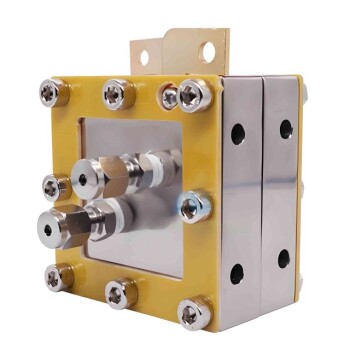
- Customizable PEM Electrolysis Cells for Diverse Research Applications
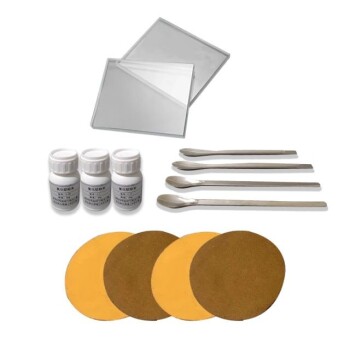
- Electrode Polishing Material for Electrochemical Experiments
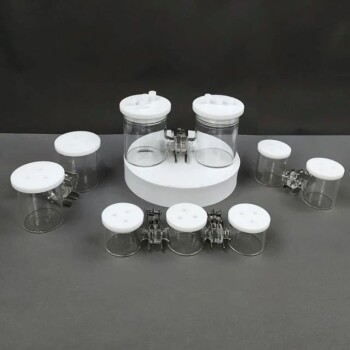
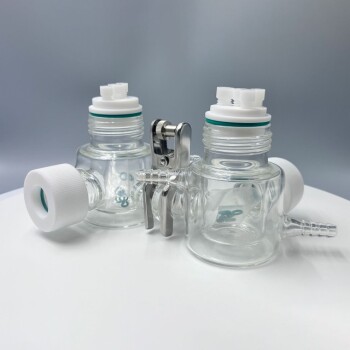
- Super Sealed Electrolytic Electrochemical Cell
People Also Ask
- What is the necessity of selecting a PTFE electrolytic cell? Ensure Precise Graphene Corrosion Testing Accuracy
- What is the proper method for cleaning the surface of an all-PTFE electrolytic cell? Ensure Accurate Results with a Pristine Surface
- How should an all-PTFE electrolytic cell be stored after use? Expert Maintenance Tips for Long-Lasting Performance
- What is the proper cleaning method for an all-PTFE electrolytic cell? Essential Tips for Surface Integrity
- What are the standard opening specifications for all-PTFE electrolytic cells? A Guide to Sealed vs. Non-Sealed Ports