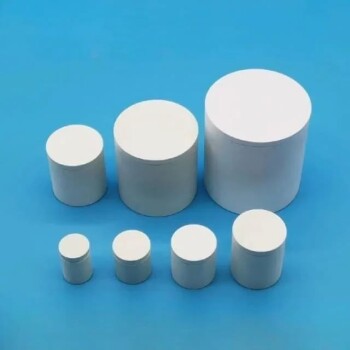
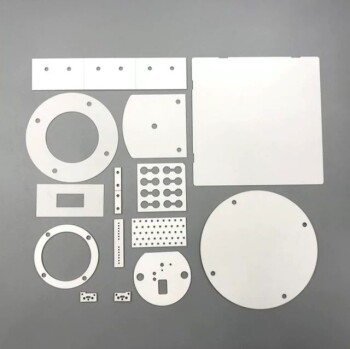
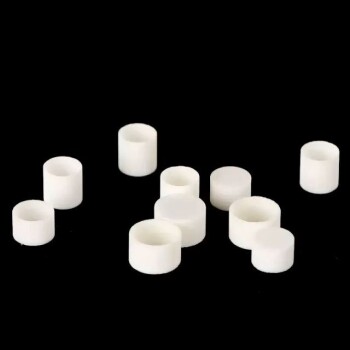
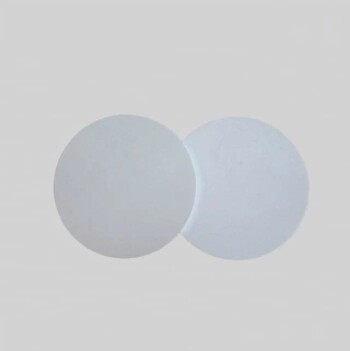
High-precision ceramic crevice formers are the industry standard for simulating the specific vulnerabilities of metal alloys in laboratory environments. They are used to create artificial "occluded" areas on a specimen, replicating real-world geometries like bolted connections or weld overlays while ensuring the test apparatus itself does not chemically interfere with the results.
The use of ceramic formers ensures that the electrochemical reactions observed during testing result solely from the metal’s interaction with the environment. Their chemical inertness and hardness make them the definitive consumable for isolating the kinetics of localized acidification and crevice corrosion.
Simulating Real-World Failure Points
To understand the durability of an alloy, researchers must replicate the exact physical conditions where corrosion is most likely to initiate.
Replicating Mechanical Connections
Crevice corrosion often occurs in tight spaces where stagnant solution accumulates. Ceramic formers are designed to simulate common mechanical geometries, such as bolt connections.
They also effectively replicate the conditions found in weld overlays, providing a controlled environment to test how these specific structural features impact corrosion resistance.
Modeling Environments Under Deposits
Corrosion frequently happens under surface deposits where chemistry changes locally. Ceramic formers create an artificial barrier that mimics these environments under deposits.
This allows researchers to observe how an alloy behaves when part of its surface is shielded from the bulk solution.
The Science of Material Inertness
The validity of a corrosion test depends on isolating the metal's behavior from the testing equipment.
Eliminating Chemical Interference
The primary advantage of ceramic is its high chemical stability. Unlike other materials that might degrade or react with the test solution, ceramic remains inert.
This ensures that the crevice former does not participate in the electrochemical reactions, preventing false positives or data noise.
Isolating Corrosion Dynamics
By removing external variables, researchers can focus exclusively on the dynamics of crevice corrosion.
This isolation is critical for accurately studying the kinetics of localized acidification, a key driver in the failure of metallic alloys.
Understanding the Trade-offs
While ceramic formers are essential for accuracy, their physical properties introduce specific constraints that must be managed during testing.
The Requirement for Precision
Because ceramic possesses extreme hardness, it does not deform or compress to fill gaps.
This lack of flexibility means the former must be manufactured with high precision. Any irregularity in the ceramic surface will fail to create the necessary tight crevice, compromising the simulation of the occluded area.
Artificial vs. Natural Occlusion
It is important to recognize that these formers create artificial occluded areas.
While they accurately simulate the conditions of tight geometries, they are standardized tools. They provide consistent, reproducible data rather than a perfect replication of the chaotic variability found in natural operating environments.
Making the Right Choice for Your Experiment
High-precision ceramic formers are the tool of choice when data integrity and chemical isolation are paramount.
- If your primary focus is studying reaction kinetics: Use ceramic formers to ensure that localized acidification data is not skewed by the testing material itself.
- If your primary focus is geometric simulation: Rely on high-precision ceramic to accurately mimic the tight constraints of bolt connections and weld overlays without mechanical deformation.
By utilizing inert ceramic formers, you ensure that your corrosion data reflects the true behavior of the alloy, not the artifacts of the test setup.
Summary Table:
| Feature | Benefit for Corrosion Testing | Impact on Data |
|---|---|---|
| Chemical Inertness | Prevents reaction with test solutions | Eliminates electrochemical interference |
| Extreme Hardness | Resists deformation under pressure | Ensures consistent, reproducible geometry |
| High Precision | Replicates tight mechanical gaps | Accurately simulates bolts and weld overlays |
| Thermal Stability | Maintains integrity at high temperatures | Reliable for accelerated corrosion studies |
Elevate Your Material Research with KINTEK
Precise corrosion data starts with high-quality consumables. KINTEK specializes in advanced laboratory equipment and high-performance consumables designed for the most demanding research environments. Whether you are studying the kinetics of localized acidification or simulating industrial mechanical connections, our high-precision ceramic crevice formers provide the chemical inertness and geometric stability required for definitive results.
From high-temperature high-pressure reactors to specialized electrolytic cells and electrodes, KINTEK provides the tools that help laboratory professionals isolate variables and ensure data integrity.
Ready to optimize your testing setup? Contact our technical experts today to find the perfect solution for your metallic alloy research.
References
- Ricardo M. Carranza, Martín A. Rodríguez. Crevice corrosion of nickel-based alloys considered as engineering barriers of geological repositories. DOI: 10.1038/s41529-017-0010-5
This article is also based on technical information from Kintek Solution Knowledge Base .
Related Products
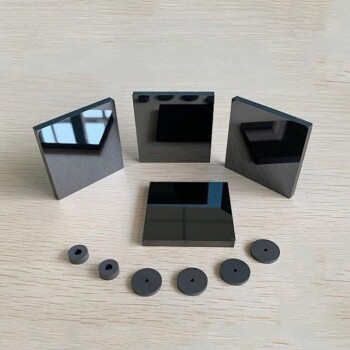
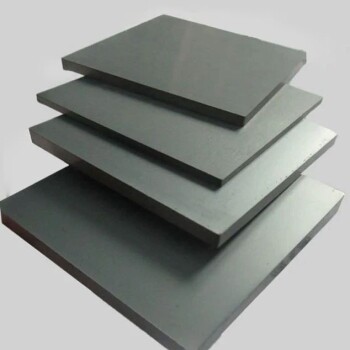
- Silicon Carbide (SIC) Ceramic Sheet Wear-Resistant Engineering Advanced Fine Ceramics
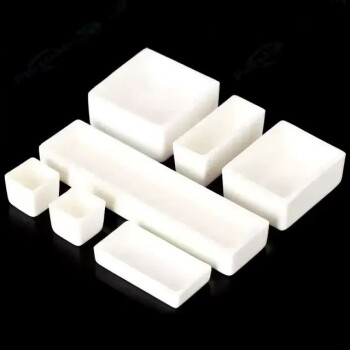
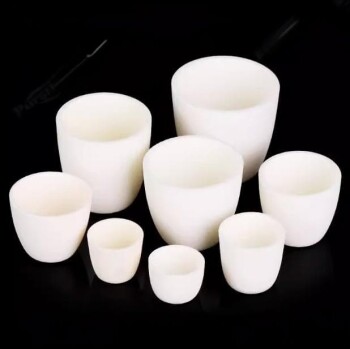
- Engineering Advanced Fine Alumina Al2O3 Ceramic Crucible for Laboratory Muffle Furnace
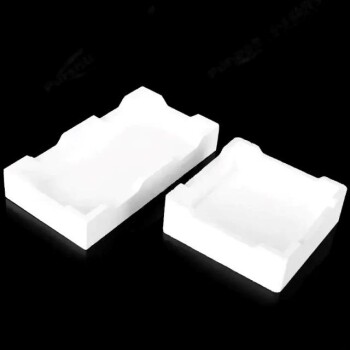
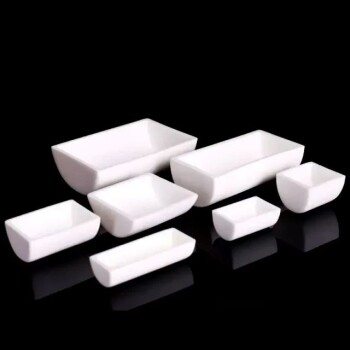
- Advanced Engineering Fine Ceramics Alumina Ceramic Saggar for Fine Corundum
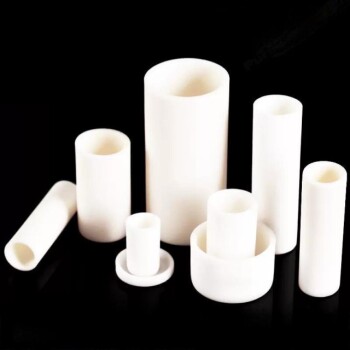
- Engineering Advanced Fine Ceramics Alumina Al2O3 Crucible With Lid Cylindrical Laboratory Crucible
- Dental Porcelain Zirconia Sintering Ceramic Furnace Chairside with Transformer
People Also Ask
- What is the strongest ceramics? Silicon Carbide Leads in Hardness & Thermal Strength
- What are the properties and applications of silicon carbide ceramics? Solve Extreme Engineering Challenges
- What are the uses of silicon carbide ceramics in different industries? Master Extreme Performance in Aerospace, Semiconductors & More
- What are the properties of SiC? Unlock High-Temperature, High-Frequency Performance
- What are the applications of silicon carbide? From Abrasives to High-Tech Semiconductors