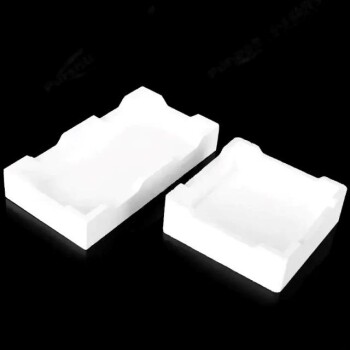
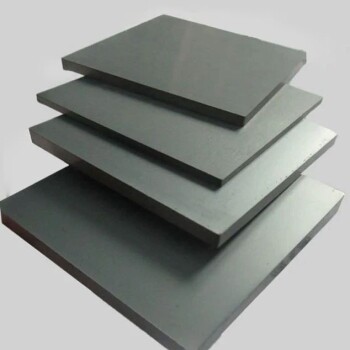
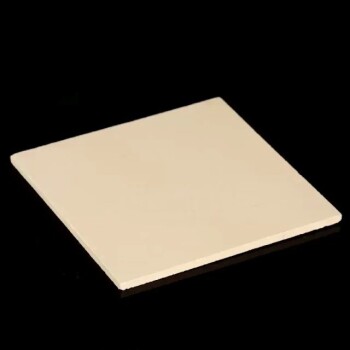
High-purity alumina plates are the preferred carrier for sintering porous stainless steel because they provide a unique combination of chemical inertness and extreme thermal stability. These properties prevent the alumina from reacting with the steel or introducing impurities at temperatures exceeding 1000°C, while its rigid flatness ensures the metal substrate does not warp or lose its geometric integrity during high-temperature shrinkage.
Core Takeaway: High-purity alumina acts as a "passive foundation" that protects the chemical purity of the stainless steel and enforces physical flatness, ensuring the final sintered product meets strict structural and performance specifications.
Preserving Chemical Integrity and Purity
Prevention of Material Cross-Reaction
At sintering temperatures often exceeding 1000°C, many materials become chemically active and can fuse with or "poison" the metal substrate. High-purity alumina (Al₂O₃) is exceptionally stable and does not react with the stainless steel tape, ensuring the two materials remain distinct and easily separable after the process.
Eliminating Thermal Diffusion of Impurities
In high-energy sintering environments, atoms from a carrier plate can often migrate into the functional material, a process known as thermal diffusion. High-purity alumina prevents this "poisoning," ensuring that the intrinsic physical properties and corrosion resistance of the stainless steel remain unaffected by external contaminants.
Stability in Harsh Atmospheric Conditions
Sintering often occurs in specialized atmospheres, such as those involving high pressure or oxidizing steam. High-purity alumina remains chemically indifferent to these environments, ensuring that any oxidation products formed are purely a result of the alloy's own surface reaction rather than interference from the carrier.
Maintaining Structural Precision at High Temperatures
Ensuring Geometric Flatness
As porous stainless steel undergoes sintering, it experiences significant high-temperature shrinkage. The rigid, flat surface of the alumina plate provides uniform physical support, which is critical for maintaining the macroscopic flatness of the substrate and preventing it from curling or buckling.
Resistance to Thermal Deformation
Unlike many other materials that might soften or sag under prolonged heat, high-purity alumina can withstand temperatures upwards of 1600°C without deformation. This allows it to serve as a reliable, reusable platform that maintains its shape even after hours of extreme thermal stress.
Controlled Pressure and Shrinkage
In some applications, alumina plates are used to sandwich the material, using their weight to apply slight, uniform pressure. This gravitational force helps suppress warping and ensures that the final product maintains a consistent thickness and a flat morphology across its entire surface.
Understanding the Trade-offs
Sensitivity to Thermal Shock
While alumina is exceptionally stable at high temperatures, it is susceptible to thermal shock if heated or cooled too rapidly. This brittleness means that heating and cooling cycles must be carefully managed to prevent the carrier plates from cracking or shattering.
Cost vs. Purity Requirements
High-purity alumina is more expensive than lower-grade refractories or standard ceramic supports. However, using lower-purity alternatives often introduces silica or iron contaminants, which can compromise the electrochemical or mechanical performance of the sintered stainless steel.
Handling and Brittleness
Alumina plates are functionally "stone-like" and lack the ductility of metals, making them prone to breakage if handled roughly. They require specialized storage and handling protocols to ensure a long service life as a sintering carrier.
Making the Right Choice for Your Goal
How to Apply This to Your Project
- If your primary focus is maximum chemical purity: Always opt for high-purity alumina (99% or higher) to eliminate the risk of trace elements like silica leaching into your stainless steel.
- If your primary focus is preventing part warping: Use a thicker alumina plate as a base and consider a secondary plate on top to provide uniform gravitational pressure during the shrinkage phase.
- If your primary focus is cost-efficiency: Reserve high-purity alumina for the final sintering stage where temperature and reaction risks are highest, using lower-cost supports for lower-temperature debinding steps.
By serving as both a chemical barrier and a physical anchor, high-purity alumina plates ensure that the complex sintering process yields a porous stainless steel substrate that is both chemically pure and structurally perfect.
Summary Table:
| Feature | Advantage for Sintering | Benefit to Final Product |
|---|---|---|
| Chemical Inertness | Prevents reaction with metal tape | Maintains high chemical purity |
| Thermal Stability | Resists deformation up to 1600°C | Ensures geometric flatness |
| Diffusion Barrier | Blocks impurity migration | Preserves corrosion resistance |
| Rigid Support | Uniform platform during shrinkage | Prevents buckling and warping |
Optimize Your Sintering Results with KINTEK
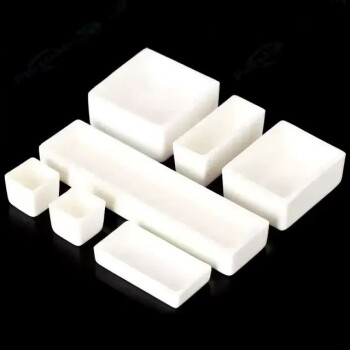
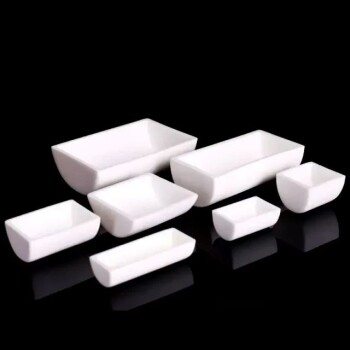
Ensure the highest material integrity and structural precision in your laboratory processes with KINTEK. As specialists in high-temperature solutions, we offer a comprehensive range of high-purity alumina plates, ceramic crucibles, and advanced muffle and vacuum furnaces tailored for demanding sintering applications.
Whether you are developing porous stainless steel substrates or advanced functional materials, our expert-grade consumables and equipment provide the chemical inertness and thermal stability your research requires.
Ready to elevate your lab's performance? Contact us today to explore our full portfolio of high-temperature furnaces and essential laboratory consumables!
References
- Yifei Yan, Olivera Kesler. Fabrication of flat stainless steel substrates with improved oxidation behavior for metal-supported solid oxide cells using aqueous tape casting. DOI: 10.1007/s43939-023-00063-5
This article is also based on technical information from Kintek Solution Knowledge Base .
Related Products
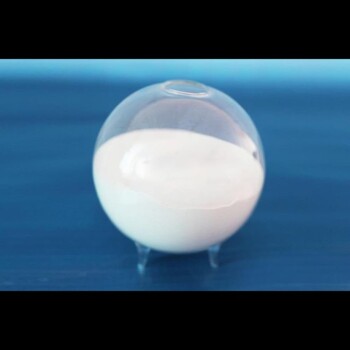
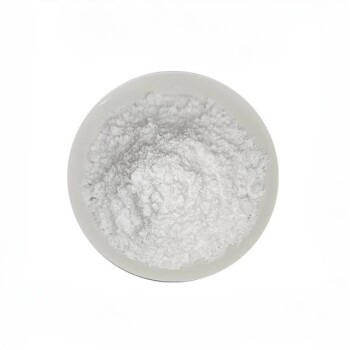
- High Purity Alumina Granulated Powder for Engineering Advanced Fine Ceramics
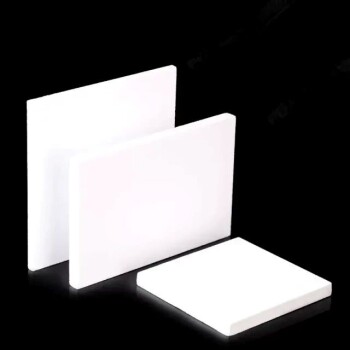
- High Temperature Wear-Resistant Alumina Al2O3 Plate for Engineering Advanced Fine Ceramics
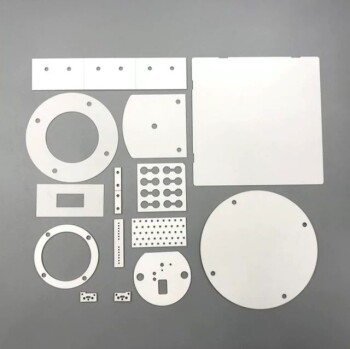
- Custom-Made Alumina Zirconia Special-Shaped Ceramic Plates for Engineering Advanced Fine Ceramics Processing
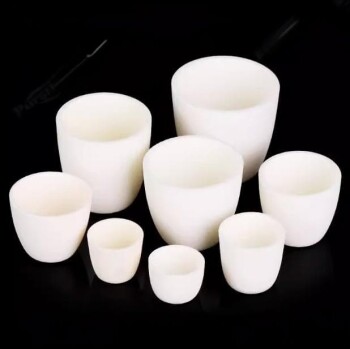
- Arc-Shaped Alumina Ceramic Crucible High Temperature Resistant for Engineering Advanced Fine Ceramics
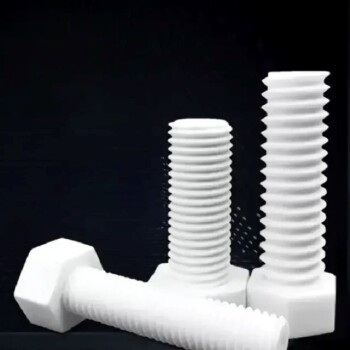
- High Quality Alumina Ceramic Screw for Engineering Advanced Fine Ceramics with High Temperature Resistance and Insulation
People Also Ask
- What is the function of high-purity alumina powder in pack cementation? Ensure Uniform Aerospace Blade Coatings
- How should alumina powder be selected for polishing a disc electrode, and what is the procedure for removing scratches? Achieve a Perfect Mirror Finish
- What are the properties and handling precautions for alumina powder as a polishing material? Achieve a Flawless Finish with Precision
- Why is it necessary to apply alumina powder to graphite molds for TiC10/Cu-Al2O3? Ensure Smooth Release.
- What measures should be taken to prevent cross-contamination when using different sizes of alumina powder?