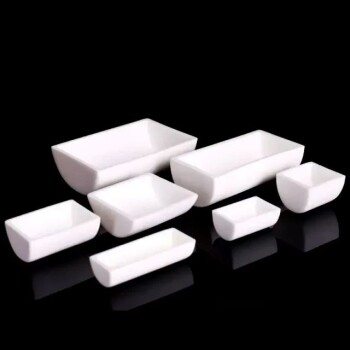
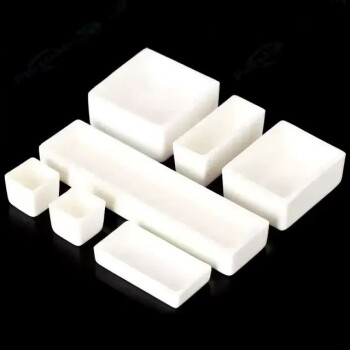
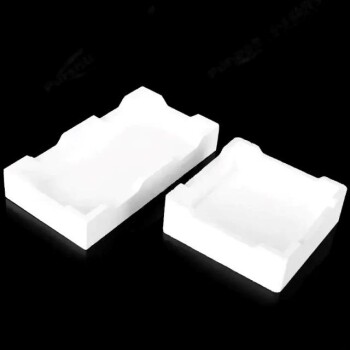
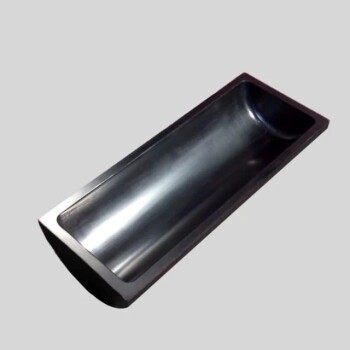
High-purity ceramic boats are the industry standard for lignin activation because they provide a unique combination of extreme thermal stability and chemical inertness. These carriers are specifically chosen for their ability to withstand the highly corrosive environments created by chemical activators—such as potassium hydroxide (KOH)—at temperatures often exceeding 800°C without compromising the purity of the resulting carbon material.
Core Takeaway: Alumina and high-purity ceramic boats act as a critical barrier that prevents chemical cross-contamination and structural failure during high-temperature processing. Their inert nature ensures that the final activated carbon or biochar remains free of metallic impurities while surviving aggressive chemical reactions.
Chemical Stability in Aggressive Environments
Resistance to Corrosive Activators
The activation of lignin often involves mixing the precursor with strong bases like potassium hydroxide (KOH). At high temperatures, these substances become exceptionally corrosive to most materials. High-purity ceramic boats effectively resist this strong corrosive effect, ensuring the container does not dissolve or react with the reactants.
Prevention of Cross-Contamination
A primary goal in lignin activation is producing high-purity carbon materials, such as sulfur-doped nanoporous carbon. High-purity alumina boats do not release unintended metallic impurities or ions into the sample. This preservation of chemical purity is essential for the accuracy of downstream applications, such as oxygen reduction catalysts or energy storage materials.
Maintaining Atomic-Level Cleanliness
In advanced synthesis, even trace amounts of contamination can alter the surface morphology or chemical properties of the carbon. Ceramic carriers ensure that no chemical interference reactions occur between the boat and the sample. This allows researchers to maintain "atomic-level cleanliness" throughout the entire heat treatment process.
Thermal Performance and Physical Integrity
Exceptional Thermal Shock Resistance
Lignin activation requires the material to endure rapid temperature changes within a furnace. High-purity ceramic boats possess superior thermal shock resistance, allowing them to maintain their structural integrity during heating and cooling cycles. This prevents the boat from cracking or shattering under the thermal stress of high-temperature activation.
High Refractoriness and Heat Distribution
Ceramic materials like alumina have a high melting point, often allowing them to operate at temperatures above 1200°C without physical deformation. These boats also help ensure that samples are heated uniformly within the constant temperature zone of a tube furnace. This uniformity is vital for producing a consistent biochar or activated carbon product.
Protection of Laboratory Equipment
Beyond protecting the sample, ceramic boats serve as a sacrificial barrier for the furnace itself. They prevent direct contact between the corrosive lignin-activator mixture and the furnace tubes. This extends the lifespan of expensive laboratory equipment by containing the reaction within a replaceable, inert vessel.
Understanding the Trade-offs
Brittleness and Handling
While ceramics are thermally robust, they are inherently brittle. They do not tolerate mechanical impact or dropping, meaning they require careful handling compared to metallic alternatives. Over time, repeated extreme thermal cycling can lead to micro-fractures, eventually requiring the boat to be replaced.
Sensitivity to Rapid Cooling
Despite their thermal shock resistance, ceramics are not invincible. Exposing a red-hot alumina boat to room-temperature air too quickly can cause structural failure. To maximize the lifespan of the boat, cooling rates must be controlled according to the specific purity grade of the ceramic.
Cost vs. Purity
Higher purity levels (e.g., 99.9% alumina) come at a significantly higher cost than standard lab-grade ceramics. For routine biochar pyrolysis at lower temperatures (300°C to 600°C), a standard ceramic boat may suffice. However, for specialized catalyst synthesis, the investment in high-purity carriers is necessary to prevent trace metal contamination.
How to Select the Right Carrier for Your Project
Recommendations Based on Your Objectives
- If your primary focus is maximum chemical purity: Use 99.9% high-purity alumina boats to ensure no metallic trace elements migrate into your activated carbon.
- If your primary focus is high-volume biochar production: Standard ceramic boats offer a balance of thermal stability and cost-effectiveness for temperatures below 800°C.
- If your primary focus is corrosive chemical activation (e.g., KOH or KCl): Ensure the boat is specifically rated for chemical inertness at elevated temperatures to prevent structural collapse.
- If your primary focus is furnace longevity: Always use a ceramic carrier that is slightly larger than your sample to ensure all expansion and bubbling is contained within the boat.
Choosing the correct high-purity ceramic carrier is the most effective way to ensure that your activation process yields a precise, uncontaminated, and high-performing carbon material.
Summary Table:
| Property | Performance in Lignin Activation |
|---|---|
| Corrosion Resistance | Withstands KOH and aggressive chemical activators |
| High Purity | Prevents metallic contamination in carbon materials |
| Thermal Durability | Resists shock and maintains integrity above 1200°C |
| Furnace Safety | Protects expensive tube furnaces from chemical damage |
Optimize Your Carbon Research with KINTEK
Precision in lignin activation requires equipment that can handle the heat. KINTEK specializes in high-performance laboratory solutions, offering a comprehensive range of high-temperature furnaces (muffle, tube, vacuum, CVD) and essential high-purity ceramic boats and crucibles. Our alumina carriers are engineered to withstand corrosive environments like KOH activation while ensuring atomic-level cleanliness for your catalysts and energy storage materials.
Why choose KINTEK?
- Superior Purity: Prevent metallic contamination with our 99.9% alumina options.
- Integrated Solutions: From milling systems for precursors to high-pressure reactors and cooling solutions.
- Reliable Durability: Equipment designed to survive aggressive chemical reactions and extreme thermal cycling.
Contact KINTEK today to find the perfect high-purity carriers and thermal systems for your laboratory needs!
References
- Dipendu Saha, Dean Bates. One-Step Synthesis of Sulfur-Doped Nanoporous Carbons from Lignin with Ultra-High Surface Area, Sulfur Content and CO2 Adsorption Capacity. DOI: 10.3390/ma16010455
This article is also based on technical information from Kintek Solution Knowledge Base .
Related Products
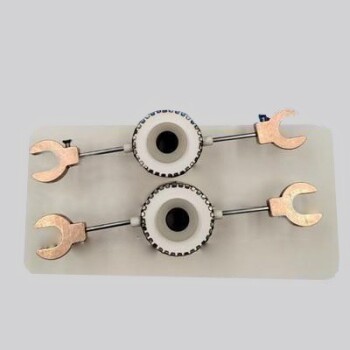
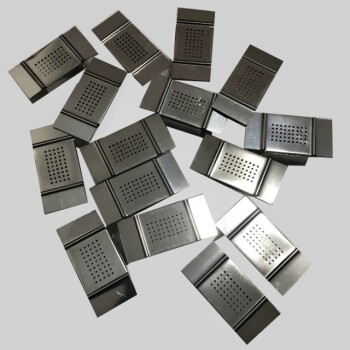
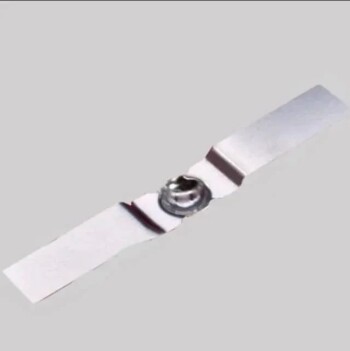
- Aluminized Ceramic Evaporation Boat for Thin Film Deposition
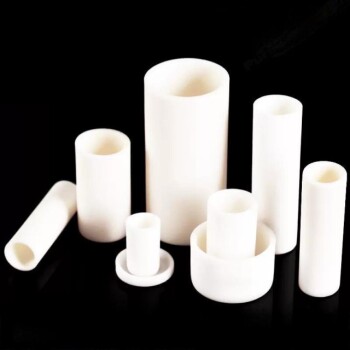
- Alumina Al2O3 Ceramic Crucible Semicircle Boat with Lid for Engineering Advanced Fine Ceramics
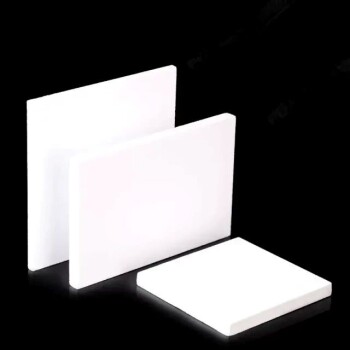
- Ceramic Evaporation Boat Set Alumina Crucible for Laboratory Use
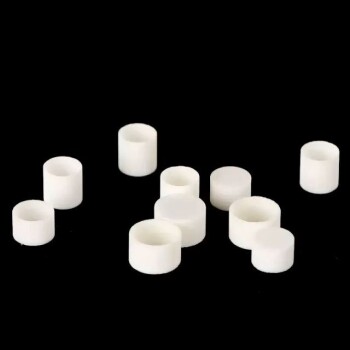
- Engineering Advanced Fine Ceramics Alumina Crucibles (Al2O3) for Thermal Analysis TGA DTA
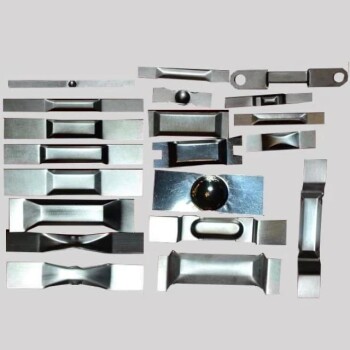
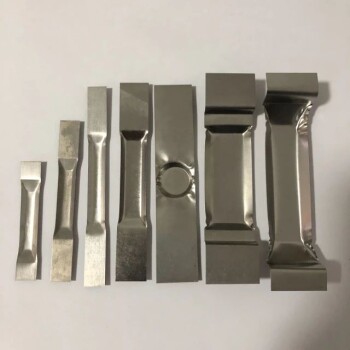
- Molybdenum Tungsten Tantalum Special Shape Evaporation Boat
People Also Ask
- What is the source of evaporation for thin film? Choosing Between Thermal and E-Beam Methods
- Why is an alumina boat and Ti3AlC2 powder bed necessary for Ti2AlC sintering? Protect MAX Phase Purity
- Why use an alumina boat for high-temperature carbon activation? Ensure Maximum Material Purity & Thermal Stability
- Why is an alumina boat selected for catalyst precursors? Ensure Sample Purity at 1000 °C
- What is the widely used boat made of in thermal evaporation? Choosing the Right Material for High-Purity Deposition