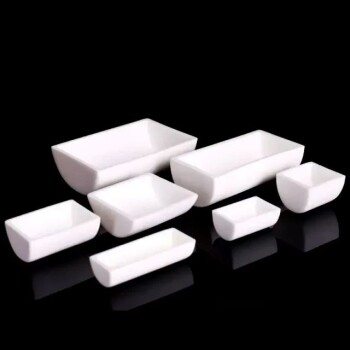
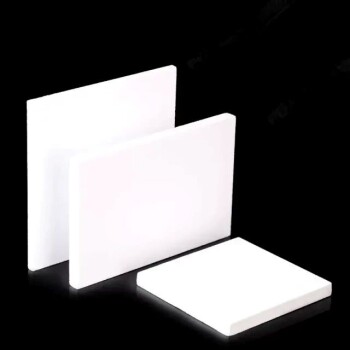
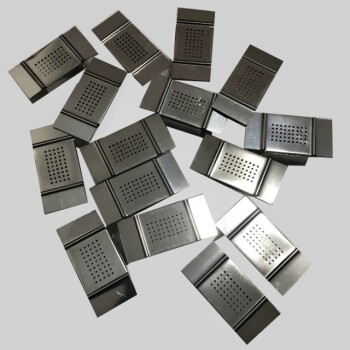
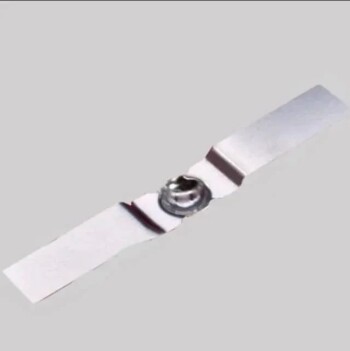
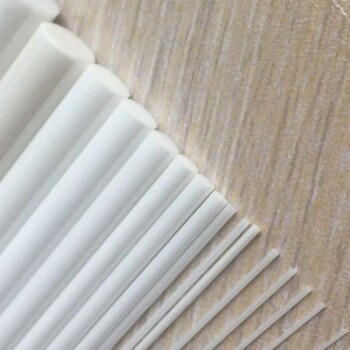
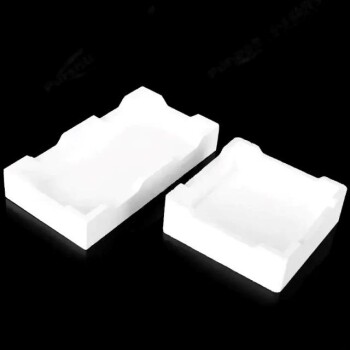
Alumina boats are used as carrier containers because they provide a unique combination of extreme thermal stability and chemical inertness required to survive the carbon activation process. At temperatures often exceeding 850°C, these vessels resist aggressive chemical erosion from activation agents while ensuring no metallic impurities leach into the final activated carbon product.
The selection of an alumina boat is driven by the need for a chemically neutral environment that can withstand both the high heat of the furnace and the corrosive nature of activation chemicals, thereby protecting the structural and chemical integrity of the carbon material.
Resistance to Chemical Degradation
Countering Alkaline Activation Agents
The activation of carbon often involves the use of strong bases like potassium hydroxide (KOH) or sodium hydroxide (NaOH) at elevated temperatures. High-purity alumina is one of the few materials capable of resisting the intense corrosive effects of these alkaline agents at 800°C and above. This resistance prevents the boat from being eaten away during the activation cycle, extending the life of the laboratory equipment.
Maintaining Material Purity
In high-performance applications, such as the production of catalysts or energy storage materials, even trace amounts of metallic contamination can ruin the batch. Alumina is an outstandingly inert ceramic that does not engage in chemical reactions with the carbon sample or the reaction gases. This ensures that the resulting activated carbon remains free from unintended metallic impurities that could interfere with its final function.
Thermal Resilience and Stability
Exceptional Heat Tolerance
The synthesis and activation of carbon materials frequently occur in the range of 850°C to 1200°C. Alumina boats possess a high melting point and maintain their structural integrity even when subjected to these extreme temperatures for prolonged periods. Unlike metal containers, they will not warp, soften, or scale under these intense conditions.
Resistance to Thermal Shock
Carbon activation processes often involve moving samples through temperature gradients or undergoing specific cooling cycles. Alumina ceramics are engineered for superior thermal shock resistance, allowing them to withstand frequent heating and cooling cycles without cracking. This durability is essential for maintaining a consistent production environment and preventing vessel failure during a run.
Understanding the Trade-offs
Physical Fragility and Handling
While alumina is chemically and thermally robust, it is a ceramic material and is inherently brittle. It cannot withstand physical impact or mechanical stress as well as metallic alloys, requiring careful handling to prevent breakage. Dropping or knocking a boat against a furnace wall often results in immediate fracture.
Cost vs. Purity Levels
The performance of an alumina boat is directly tied to its purity level, typically ranging from 95% to 99.9%. Higher-purity alumina offers the best resistance to chemical attack but comes at a significantly higher cost. Choosing a lower-grade alumina may introduce trace amounts of silica or other binders that could leach into the carbon during sensitive high-temperature reactions.
How to Apply This to Your Project
Making the Right Choice for Your Goal
To ensure the best results during high-temperature activation, consider your specific purity requirements and temperature ranges:
- If your primary focus is high-purity catalysts or electronic materials: Use 99% or higher purity alumina boats to eliminate the risk of silica or metallic leaching.
- If your primary focus is high-volume industrial processing: Standard 95% alumina provides a cost-effective balance between chemical resistance and vessel longevity.
- If your primary focus is preventing vessel failure: Ensure slow heating and cooling rates (typically 5-10°C per minute) to maximize the lifespan of the boat and avoid thermal shock fractures.
By selecting an alumina carrier, you are prioritizing the chemical "cleanliness" and thermal endurance necessary for producing high-quality activated carbon.
Summary Table:
| Key Feature | Advantage in Carbon Activation | Specification/Detail |
|---|---|---|
| Chemical Inertness | Resists corrosive agents like KOH and NaOH | High-purity ceramic (95%-99.9%) |
| Thermal Tolerance | Maintains integrity at extreme temperatures | Operates reliably up to 1200°C+ |
| Purity Preservation | Prevents metallic leaching into the sample | Minimal trace elements (Silica/Binders) |
| Thermal Shock Resistance | Withstands frequent heating/cooling cycles | Recommended rate: 5-10°C/min |
Precision Ceramics for Your High-Temperature Research
Ensure the integrity of your carbon activation process with KINTEK’s premium alumina boats and laboratory equipment. As experts in high-temperature solutions, we provide the tools researchers and industrial processors need to achieve superior results.
Our extensive portfolio includes:
- Advanced Furnace Systems: Muffle, tube, vacuum, and atmosphere furnaces tailored for precise activation.
- High-Purity Ceramics: Alumina boats, crucibles, and PTFE products designed for chemical resistance.
- Material Processing: Crushing, milling, and hydraulic presses for sample preparation.
- Reliable Support: Expert guidance for laboratory and industrial-scale operations.
Ready to enhance your lab's efficiency and material purity? Contact KINTEK today to discuss your project requirements!
References
- Yun Jeong Choi, Jihong Kim. Effect of Porosity in Activated Carbon Supports for Silicon-Based Lithium-Ion Batteries (LIBs). DOI: 10.1021/acsomega.3c01506
This article is also based on technical information from Kintek Solution Knowledge Base .
Related Products
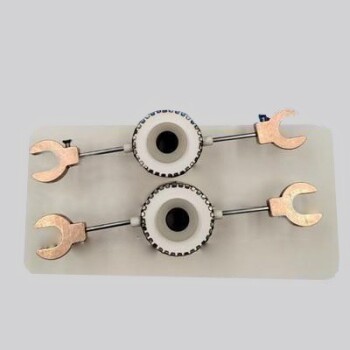
- Aluminized Ceramic Evaporation Boat for Thin Film Deposition
- Alumina Al2O3 Ceramic Crucible Semicircle Boat with Lid for Engineering Advanced Fine Ceramics
- Ceramic Evaporation Boat Set Alumina Crucible for Laboratory Use
- Engineering Advanced Fine Ceramics Alumina Crucibles (Al2O3) for Thermal Analysis TGA DTA
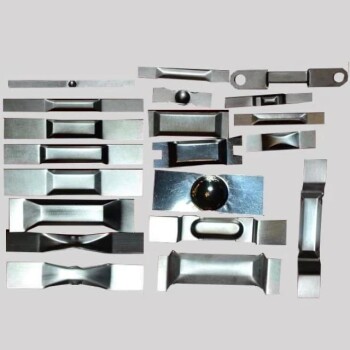
- Molybdenum Tungsten Tantalum Special Shape Evaporation Boat
People Also Ask
- What is the source of evaporation for thin film? Choosing Between Thermal and E-Beam Methods
- Why are high-purity ceramic boats used for lignin activation? Ensure Purity & Thermal Stability
- Why is an alumina boat and Ti3AlC2 powder bed necessary for Ti2AlC sintering? Protect MAX Phase Purity
- Why is an alumina boat selected for catalyst precursors? Ensure Sample Purity at 1000 °C
- What is the widely used boat made of in thermal evaporation? Choosing the Right Material for High-Purity Deposition