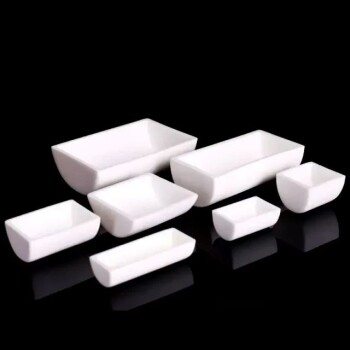
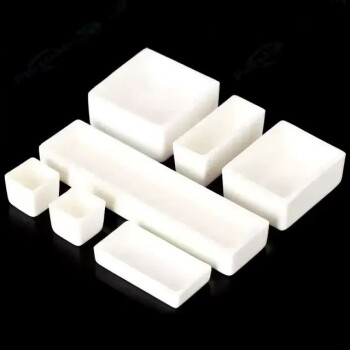
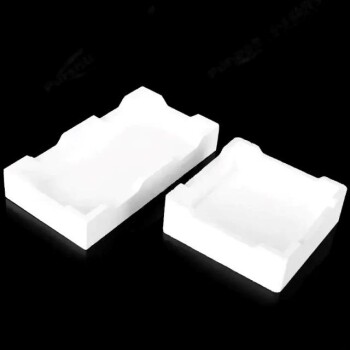
High-purity alumina boats are the standard vessel for processing catalyst precursors at 1000 °C because they provide a stable, non-reactive environment under extreme conditions. Their selection is dictated by the need for a material that possesses both exceptional thermal stability and chemical inertness, ensuring the vessel neither deforms nor contaminates the sensitive sample during heating.
The critical value of using an alumina boat lies in its ability to isolate the sample from the environment. By resisting chemical interaction at high temperatures, it ensures the final catalyst material remains free of unintended metallic impurities.
Thermal Resilience at Extreme Temperatures
Structural Integrity at 1000 °C
To successfully treat catalyst precursors, the carrier vessel must withstand intense thermal stress without failure. High-purity alumina is selected because it maintains its physical form and structural integrity at temperatures as high as 1000 °C.
Resistance to Deformation
Unlike materials that might soften, warp, or melt under these conditions, alumina remains rigid. This stability is essential to safely contain the precursors throughout the duration of the heat treatment process.
Preserving Sample Integrity
Chemical Inertness
The most significant risk during high-temperature treatment is the potential for the vessel to react with its contents. Alumina is chosen because it is chemically inert, meaning it does not engage in reactions with the catalyst precursors or the resulting carbon materials.
Preventing Contamination
For non-precious metal oxygen reduction catalysts, purity is paramount. Alumina acts as a barrier that prevents the introduction of unintended metallic impurities.
Ensuring Accurate Results
By eliminating chemical cross-talk between the boat and the sample, researchers can be confident that the final properties of the catalyst are intrinsic to the material itself, not a byproduct of the containment vessel.
Critical Considerations for Material Selection
The Necessity of High Purity
It is important to note that the primary reference specifically mandates high-purity alumina. Using lower-grade ceramics could negate the benefits of this material selection.
Potential for Leaching
If the alumina boat contains impurities itself, the extreme heat of 1000 °C could cause these contaminants to leach into the catalyst precursors. Therefore, the "inertness" of the boat is directly tied to the quality grade of the alumina used.
Making the Right Choice for Your Experiment
When selecting a carrier for high-temperature synthesis, your choice should be driven by your specific tolerance for contamination and thermal stress.
- If your primary focus is Sample Purity: Select high-purity alumina to guarantee that no external metallic impurities alter the chemical composition of your final catalyst.
- If your primary focus is Process Safety: Rely on alumina’s thermal stability to ensure the vessel maintains its integrity at 1000 °C without warping or breaching.
Ultimately, high-purity alumina provides the essential neutral ground required to transform precursors into high-performance catalysts without interference.
Summary Table:
| Feature | High-Purity Alumina Boat | Benefits for Catalyst Synthesis |
|---|---|---|
| Thermal Stability | Resists deformation up to 1000°C+ | Maintains structural integrity and safety |
| Chemical Inertness | Non-reactive with precursors | Prevents contamination and metallic impurities |
| Material Purity | High-grade ceramic composition | Ensures results are intrinsic to the catalyst |
| Durability | High resistance to thermal stress | Long-lasting performance in extreme environments |
Elevate Your Research with KINTEK Precision Ceramics
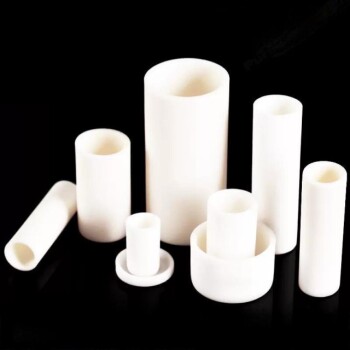
Don't let vessel contamination compromise your high-performance catalyst results. KINTEK specializes in providing high-purity laboratory equipment and consumables designed for the most demanding thermal environments. Whether you need high-purity alumina boats, crucibles, or ceramic tubes, our products guarantee the chemical inertness and structural integrity required for successful synthesis at 1000 °C and beyond.
From high-temperature furnaces and crushing systems to specialized PTFE and ceramic consumables, KINTEK is your trusted partner for battery research, material science, and laboratory efficiency. Contact us today to optimize your heat treatment process!
References
- Daniel Malko, Anthony Kucernak. The intriguing poison tolerance of non-precious metal oxygen reduction reaction (ORR) catalysts. DOI: 10.1039/c5ta05794a
This article is also based on technical information from Kintek Solution Knowledge Base .
Related Products
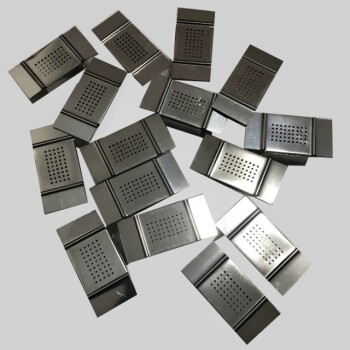
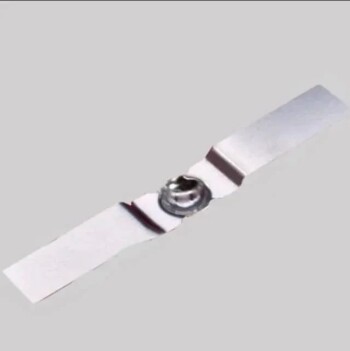
- Aluminized Ceramic Evaporation Boat for Thin Film Deposition
- Alumina Al2O3 Ceramic Crucible Semicircle Boat with Lid for Engineering Advanced Fine Ceramics
- Ceramic Evaporation Boat Set Alumina Crucible for Laboratory Use
- Engineering Advanced Fine Ceramics Alumina Crucibles (Al2O3) for Thermal Analysis TGA DTA
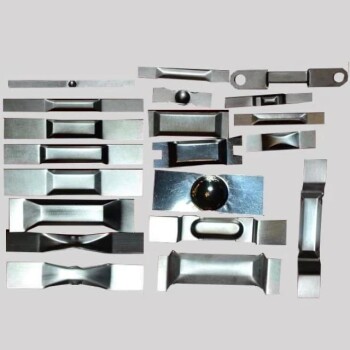
- Molybdenum Tungsten Tantalum Special Shape Evaporation Boat
People Also Ask
- What is the source of evaporation for thin film? Choosing Between Thermal and E-Beam Methods
- Why are high-purity ceramic boats used for lignin activation? Ensure Purity & Thermal Stability
- Why is an alumina boat and Ti3AlC2 powder bed necessary for Ti2AlC sintering? Protect MAX Phase Purity
- Why use an alumina boat for high-temperature carbon activation? Ensure Maximum Material Purity & Thermal Stability
- What is the widely used boat made of in thermal evaporation? Choosing the Right Material for High-Purity Deposition