Knowledge Why are laboratory crushing and sieving systems critical for biomass research? Maximize Reaction Precision Today
Author avatar

Tech Team · Kintek Solution

Updated 3 days ago

Why are laboratory crushing and sieving systems critical for biomass research? Maximize Reaction Precision Today


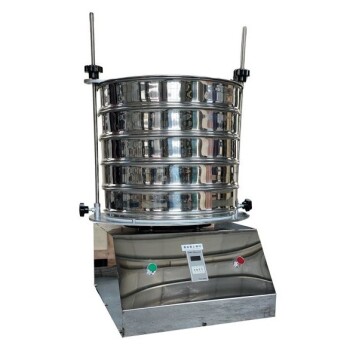
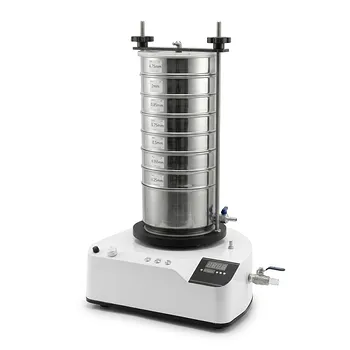
Laboratory crushing and sieving systems are the foundational gatekeepers of reliable biomass research, converting irregular raw feedstocks into uniform, chemically representative samples. By mechanically reducing biomass to precise size ranges, these systems ensure that the microscopic sample volumes used for analysis accurately reflect the composition of the entire batch. Critically, this process eliminates physical variables—such as internal heat transfer resistance—that would otherwise distort data regarding thermochemical processes like pyrolysis and gasification.

Biomass research relies on the assumption that a tiny sample behaves exactly like the bulk material. Crushing and sieving systems validate this assumption by standardizing particle size to maximize surface area, ensuring uniform heating and consistent reaction kinetics.

Ensuring Data Accuracy and Representativeness

Solving the Heterogeneity Problem

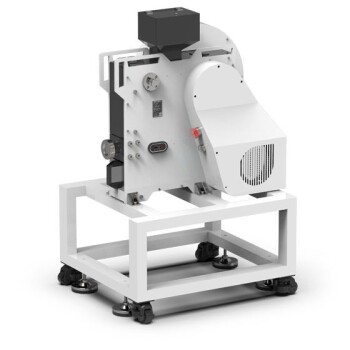
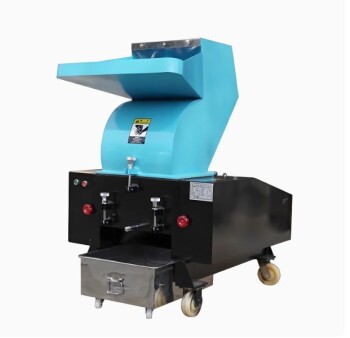
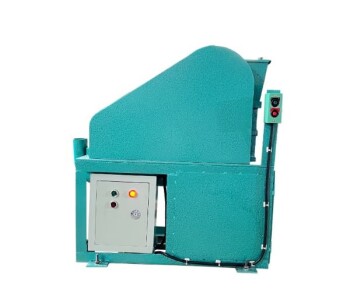
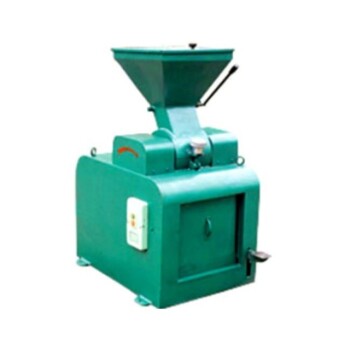
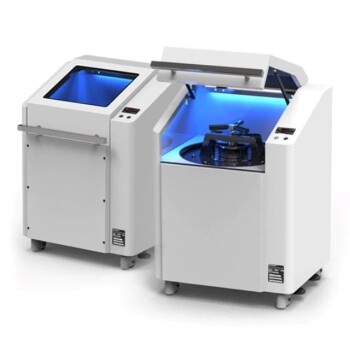
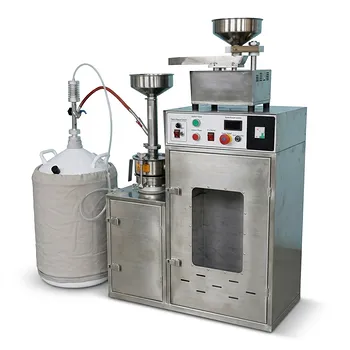
Biomass feedstocks are naturally irregular in shape and density. Without mechanical homogenization, a small sample taken for proximate analysis may not represent the chemical makeup of the whole batch. Crushing systems, such as blade mills or hammer crushers, reduce the material to a uniform state, ensuring analytical precision.

Eliminating Heat Transfer Resistance

Large biomass particles create thermal gradients where the outer surface heats faster than the core. This internal heat transfer resistance skews experimental results. Reducing particle size minimizes this resistance, allowing the entire particle to heat uniformly during experiments.

Improving Reagent Penetration

In processes requiring chemical pretreatment, the internal structure of the biomass must be accessible. Standardized size reduction opens up the lignocellulosic structure. This facilitates the uniform penetration of chemical reagents, ensuring the feedstock is fully reactive.

Optimizing Thermochemical Kinetics

Maximizing Specific Surface Area

Thermochemical conversion is a surface-driven phenomenon. reducing particle size (e.g., to ranges like 0.43 mm–1.02 mm or <90 μm) significantly increases the specific surface area. This maximization is the primary driver for faster and more complete chemical reactions.

Stabilizing Kinetic Data

For research into combustion, pyrolysis, or gasification, the rate of reaction must be measurable and consistent. Uniform particle sizes produce stable combustion kinetic data. This allows researchers to accurately model how the fuel will behave, rather than measuring artifacts caused by irregular particle sizes.

Simulating Industrial Conditions

Research often aims to predict industrial performance. By processing materials into specific ranges (such as those mimicking industrial coal mills), laboratory systems allow researchers to simulate real-world fuel reaction characteristics. This bridging of scales is essential for translating lab data to pilot plants.

Understanding the Trade-offs

Balancing Energy and Size

While smaller particles generally offer better reaction kinetics, grinding biomass to extremely fine powders (e.g., <90 μm) requires significant energy. Researchers must weigh the benefits of increased reaction rates against the higher energy consumption required for extensive physical pretreatment.

Equipment Selection Variables

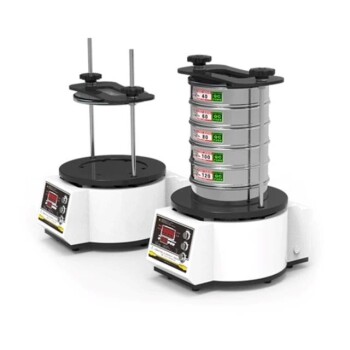
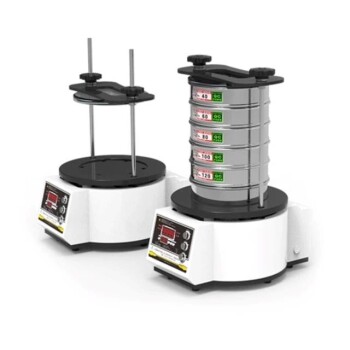
Not all crushing methods yield the same results. Different tools (blade mills vs. hammer crushers) may produce different particle shapes even at similar sizes. If sieving is not performed rigorously to narrow the size distribution, the remaining variance can still introduce inconsistencies in sensitive kinetic studies.

Making the Right Choice for Your Research

To ensure your experimental setup yields valid data, align your preparation method with your specific research goals:

  • If your primary focus is Analytical Chemistry: Prioritize high-homogeneity crushing to ensure small sample volumes (milligrams) are statistically representative of the bulk.
  • If your primary focus is Reaction Kinetics: Target specific, narrow particle size ranges to maximize specific surface area and eliminate heat transfer limitations.
  • If your primary focus is Industrial Simulation: Match your laboratory particle sizes to the output specifications of industrial-scale milling equipment to ensure scalability.

Precision in particle size preparation is not just a procedural step; it is the control variable that validates the accuracy of all subsequent thermochemical data.

Summary Table:

Feature Role in Biomass Research Key Benefit
Homogenization Converts irregular raw feedstock into uniform samples Ensures analytical representativeness
Size Reduction Minimizes internal heat transfer resistance Eliminates thermal gradients for uniform heating
Surface Area Increases specific surface area for reactions Accelerates and stabilizes thermochemical kinetics
Sieving Control Narrows particle size distribution (PSD) Allows simulation of industrial-scale conditions

Elevate Your Biomass Research with Precision Sample Preparation

Don't let sample heterogeneity compromise your thermochemical data. KINTEK specializes in high-performance laboratory equipment designed to meet the rigorous demands of material science. From advanced crushing and milling systems to precision sieving equipment and hydraulic presses, we provide the foundational tools you need for reliable results.

Whether you are performing sensitive kinetic studies or simulating industrial processes, our portfolio—including high-temperature furnaces, CVD systems, and specialized reactors—is engineered for excellence.

Take control of your reaction kinetics. Contact KINTEK today to find the perfect milling and sieving solution for your laboratory!

References

  1. Paul Tanger, Jan E. Leach. Biomass for thermochemical conversion: targets and challenges. DOI: 10.3389/fpls.2013.00218

This article is also based on technical information from Kintek Solution Knowledge Base .

Related Products

People Also Ask

Related Products

High Energy Planetary Ball Mill for Laboratory Horizontal Tank Type Milling Machine

High Energy Planetary Ball Mill for Laboratory Horizontal Tank Type Milling Machine

KT-P4000H uses the unique Y-axis planetary motion trajectory, and utilizes the collision, friction and gravity between the sample and the grinding ball to have a certain anti-sinking ability, which can obtain better grinding or mixing effects and further improve the sample output.

High-Energy Omnidirectional Planetary Ball Mill Machine for Laboratory

High-Energy Omnidirectional Planetary Ball Mill Machine for Laboratory

The KT-P2000E is a new product derived from the vertical high-energy planetary ball mill with a 360°rotation function. The product not only has the characteristics of the vertical high-energy ball mill, but also has a unique 360°rotation function for the planetary body.

Laboratory Single Horizontal Jar Mill

Laboratory Single Horizontal Jar Mill

KT-JM3000 is a mixing and grinding instrument for placing a ball milling tank with a volume of 3000ml or less. It adopts frequency conversion control to realize timing, constant speed, direction change, overload protection and other functions.

High Energy Planetary Ball Mill Milling Machine for Laboratory

High Energy Planetary Ball Mill Milling Machine for Laboratory

Experience fast and effective sample processing with the F-P2000 high-energy planetary ball mill. This versatile equipment offers precise control and excellent grinding capabilities. Perfect for laboratories, it features multiple grinding bowls for simultaneous testing and high output. Achieve optimal results with its ergonomic design, compact structure, and advanced features. Ideal for a wide range of materials, it ensures consistent particle size reduction and low maintenance.

High Energy Planetary Ball Mill Milling Machine for Laboratory

High Energy Planetary Ball Mill Milling Machine for Laboratory

The biggest feature is that the high energy planetary ball mill can not only perform fast and effective grinding, but also has good crushing ability

Laboratory Jar Mill with Agate Grinding Jar and Balls

Laboratory Jar Mill with Agate Grinding Jar and Balls

Grind your materials with ease using Agate Grinding Jars with Balls. Sizes from 50ml to 3000ml, perfect for planetary and vibration mills.

Mini Planetary Ball Mill Machine for Laboratory Milling

Mini Planetary Ball Mill Machine for Laboratory Milling

Discover the KT-P400 desktop planetary ball mill, ideal for grinding and mixing small samples in the lab. Enjoy stable performance, long service life, and practicality. Functions include timing and overload protection.

Laboratory Planetary Ball Mill Rotating Ball Milling Machine

Laboratory Planetary Ball Mill Rotating Ball Milling Machine

KT-P400E is a desktop multi-directional planetary ball mill with unique grinding and mixing capabilities. It offers continuous and intermittent operation, timing, and overload protection, making it ideal for various applications.

High Energy Planetary Ball Mill Machine for Laboratory Horizontal Tank Type

High Energy Planetary Ball Mill Machine for Laboratory Horizontal Tank Type

The KT-P2000H uses a unique Y-axis planetary trajectory, and utilizes the collision, friction and gravity between the sample and the grinding ball.

Laboratory Disc Rotary Mixer for Efficient Sample Mixing and Homogenization

Laboratory Disc Rotary Mixer for Efficient Sample Mixing and Homogenization

Efficient Laboratory Disc Rotary Mixer for Precise Sample Mixing, Versatile for Various Applications, DC Motor and Microcomputer Control, Adjustable Speed and Angle.

Laboratory Rapid Thermal Processing (RTP) Quartz Tube Furnace

Laboratory Rapid Thermal Processing (RTP) Quartz Tube Furnace

Get lightning-fast heating with our RTP Rapid Heating Tube Furnace. Designed for precise, high-speed heating and cooling with convenient sliding rail and TFT touch screen controller. Order now for ideal thermal processing!

Small Vacuum Heat Treat and Tungsten Wire Sintering Furnace

Small Vacuum Heat Treat and Tungsten Wire Sintering Furnace

The small vacuum tungsten wire sintering furnace is a compact experimental vacuum furnace specially designed for universities and scientific research institutes. The furnace features a CNC welded shell and vacuum piping to ensure leak-free operation. Quick-connect electrical connections facilitate relocation and debugging, and the standard electrical control cabinet is safe and convenient to operate.

Dental Porcelain Zirconia Sintering Ceramic Vacuum Press Furnace

Dental Porcelain Zirconia Sintering Ceramic Vacuum Press Furnace

Get precise dental results with Dental Vacuum Press Furnace. Automatic temperature calibration, low noise tray, and touch screen operation. Order now!

Vacuum Hot Press Furnace Machine for Lamination and Heating

Vacuum Hot Press Furnace Machine for Lamination and Heating

Experience clean and precise lamination with Vacuum Lamination Press. Perfect for wafer bonding, thin-film transformations, and LCP lamination. Order now!

Electric button battery sealing machine

Electric button battery sealing machine

The electric button battery sealing machine is a high-performance packaging equipment designed for mass production of button batteries (such as CR series, LR series, SR series, etc.), suitable for electronic manufacturing, new energy research and development, and industrial automation production lines.

Benchtop Laboratory Freeze Dryer for Lab Use

Benchtop Laboratory Freeze Dryer for Lab Use

Premium benchtop laboratory freeze dryer for lyophilization, preserving samples with ≤ -60°C cooling. Ideal for pharmaceuticals & research.

Electric Rotary Kiln Continuous Working Small Rotary Furnace Heating Pyrolysis Plant

Electric Rotary Kiln Continuous Working Small Rotary Furnace Heating Pyrolysis Plant

Efficiently calcine and dry bulk powder and lump fluid materials with an electric heating rotary furnace. Ideal for processing lithium ion battery materials and more.

High Pressure Laboratory Vacuum Tube Furnace Quartz Tubular Furnace

High Pressure Laboratory Vacuum Tube Furnace Quartz Tubular Furnace

KT-PTF High Pressure Tube Furnace: Compact split tube furnace with strong positive pressure resistance. Working temp up to 1100°C and pressure up to 15Mpa. Also works under controller atmosphere or high vacuum.

Graphite Vacuum Furnace Bottom Discharge Graphitization Furnace for Carbon Materials

Graphite Vacuum Furnace Bottom Discharge Graphitization Furnace for Carbon Materials

Bottom-out graphitization furnace for carbon materials, ultra-high temperature furnace up to 3100°C, suitable for graphitization and sintering of carbon rods and carbon blocks. Vertical design, bottom discharging, convenient feeding and discharging, high temperature uniformity, low energy consumption, good stability, hydraulic lifting system, convenient loading and unloading.

VHP Sterilization Equipment Hydrogen Peroxide H2O2 Space Sterilizer

VHP Sterilization Equipment Hydrogen Peroxide H2O2 Space Sterilizer

A hydrogen peroxide space sterilizer is a device that uses vaporized hydrogen peroxide to decontaminate enclosed spaces. It kills microorganisms by damaging their cellular components and genetic material.


Leave Your Message