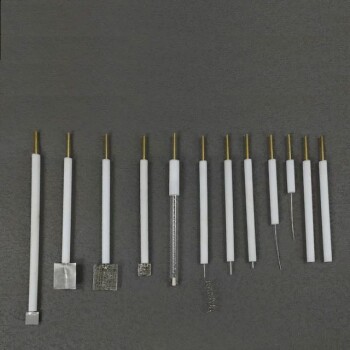
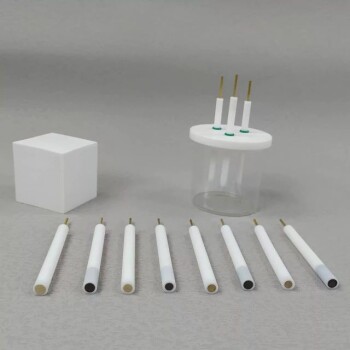
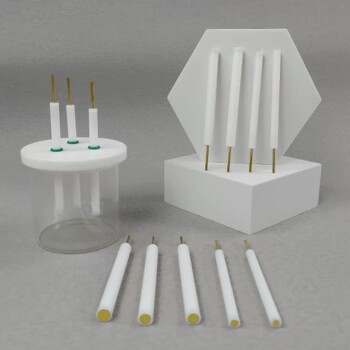
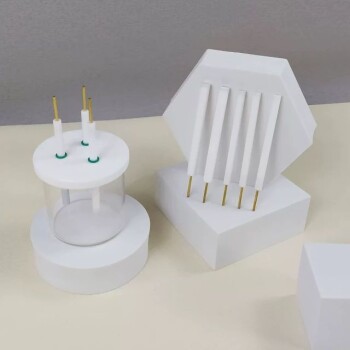
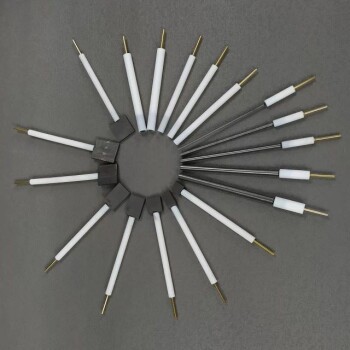
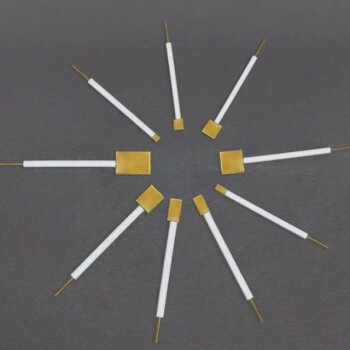
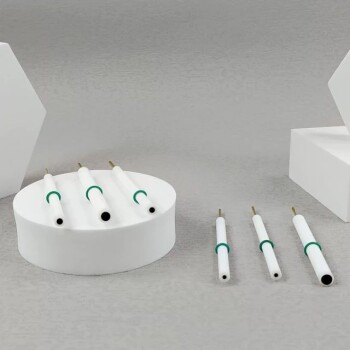
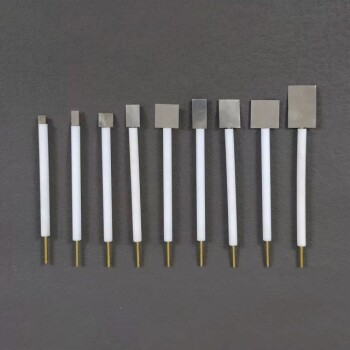
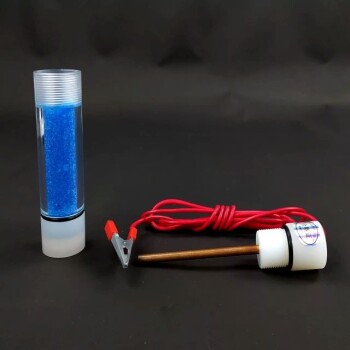
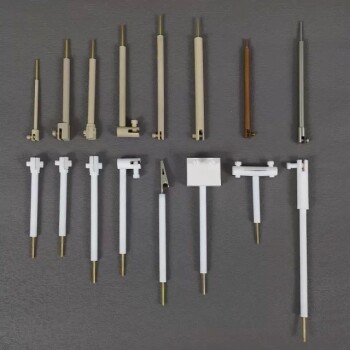
Large-area Platinum foils and Graphite rods are the standard choices because they combine high chemical stability with excellent electrical conductivity. Their expansive surface area is critical for reducing current density, which minimizes polarization and ensures that the electrochemical data collected reflects only the behavior of the nickel-based alloy, rather than artifacts from the counter electrode.
The primary goal of a counter electrode is to facilitate charge transfer while remaining electrochemically "invisible." By selecting stable materials with large surface areas, you minimize polarization effects, ensuring the purity and accuracy of the signals retrieved from the working electrode.
The Physics of Electrode Selection
Chemical Inertness and Stability
Platinum and Graphite are selected primarily for their high chemical stability. In aggressive environments, such as Sodium Chloride (NaCl) solutions often used in corrosion testing, these materials resist dissolution.
This inertness ensures they do not engage in complex electrochemical reactions that could alter the solution chemistry. By remaining stable, they prevent the introduction of interfering signals that would distort the data.
The Critical Role of Surface Area
The physical size of the electrode is just as important as the material. A large surface area is essential to effectively reduce the current density at the electrode's surface.
By spreading the current over a wider area, the system avoids bottlenecks in charge transfer. This ensures the applied current passes steadily through the system without fluctuation.
Minimizing Polarization Effects
High current density leads to polarization, a phenomenon where the electrochemical reaction rate at the counter electrode becomes a limiting factor.
By using large-area foils or rods, you minimize polarization on the counter electrode itself. This guarantees that the voltage drops or impedance responses recorded are attributed solely to the working electrode (the Ni-Cr-Mo alloy).
Ensuring Data Integrity
Isolating the Working Electrode
The ultimate objective in corrosion research is to characterize the passivation film properties of the nickel-based alloy.
If the counter electrode is unstable or polarized, it introduces noise into the measurement. Platinum and Graphite provide a stable means of balancing charge transfer, ensuring the resulting impedance data accurately reflects the alloy's surface.
Maintaining Signal Purity
To maintain the purity of electrochemical signals, the counter electrode must not act as a variable in the experiment.
Large-area Platinum or Graphite rods ensure that the focus remains on the specific corrosion mechanisms of the alloy. They allow the system to maintain a steady current flow, removing the counter electrode as a source of experimental error.
Understanding the Trade-offs
The Consequence of Insufficient Surface Area
If a counter electrode with a small surface area is used, the current density will spike.
This localized high density triggers significant polarization, effectively creating a "bottleneck" in the circuit. This distorts the electrochemical readings, making it impossible to distinguish between the behavior of the alloy and the limitations of the test setup.
Material Limitations
While Platinum is the gold standard for inertness, Graphite is often used as a cost-effective alternative that still offers excellent conductivity.
However, both must be maintained in a clean, large-format state to function correctly. Any reduction in surface area or contamination of the material compromises the stability of the entire electrochemical cell.
Optimizing Your Experimental Setup
To ensure your corrosion data is defensible and accurate, apply these principles to your electrode selection:
- If your primary focus is Data Accuracy: Choose Platinum for its superior inertness to eliminate any risk of interfering chemical reactions in the electrolyte.
- If your primary focus is Experimental Stability: Prioritize the geometry of the electrode, ensuring the surface area is significantly larger than your working electrode to drive down current density.
By treating the counter electrode as a critical component rather than an afterthought, you ensure your research measures the true corrosion resistance of your alloy, not the limitations of your hardware.
Summary Table:
| Feature | Platinum Foil | Graphite Rod | Purpose in Research |
|---|---|---|---|
| Chemical Stability | Exceptional / Inert | High | Prevents electrolyte contamination and side reactions. |
| Electrical Conductivity | Excellent | Very Good | Ensures steady charge transfer for reliable data. |
| Surface Area | Large / Customizable | Large | Reduces current density to minimize polarization effects. |
| Cost Profile | Premium / Investment | Cost-effective | Provides options for different laboratory budget scales. |
| Primary Function | High-precision Accuracy | Robust Stability | Isolates the working electrode signal from noise. |
Elevate your electrochemical research with KINTEK's precision-engineered laboratory solutions. Whether you are analyzing nickel-based alloys or developing advanced battery technologies, our high-quality electrolytic cells, electrodes, and high-temperature reactors ensure the data integrity you demand. KINTEK specializes in providing researchers with top-tier consumables, including platinum and graphite components, alongside our comprehensive range of muffle furnaces, crushing systems, and cooling solutions. Contact KINTEK today to discover how our expert-grade hardware can eliminate experimental bottlenecks and optimize your lab's performance.
References
- Edgar C. Hornus, Martín A. Rodríguez. Effect of environmental variables and main alloying elements on the repassivation potential of Ni–Cr–Mo–(W) alloys 59 and 686. DOI: 10.1515/corrrev-2022-0071
This article is also based on technical information from Kintek Solution Knowledge Base .
Related Products
- Platinum Auxiliary Electrode for Laboratory Use
- Metal Disc Electrode Electrochemical Electrode
- Reference Electrode Calomel Silver Chloride Mercury Sulfate for Laboratory Use
- RRDE rotating disk (ring disk) electrode / compatible with PINE, Japanese ALS, Swiss Metrohm glassy carbon platinum
- Gold Disc Electrode
People Also Ask
- What is the function of a platinum electrode as an auxiliary electrode? Ensure Precise Nickel Coating Corrosion Testing
- Why is platinum typically selected as the auxiliary electrode for electrochemical testing of oxazoline inhibitors?
- What does the auxiliary electrode do? Ensuring Accurate Electrochemical Measurements
- What are the roles of Pt counter and reference electrodes in nitrided steel testing? Optimize Your Electrochemical Data
- What are the advantages of using a platinum counter electrode? Ensure Purity in Photocatalytic Coating Deposition