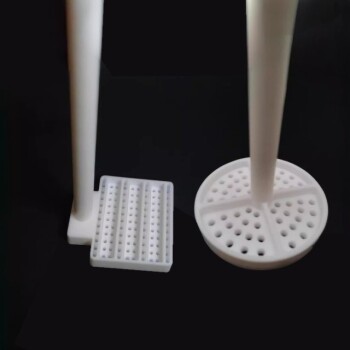
Porous ceramic filters serve as the critical final defense mechanism in the carbon handling systems of methane pyrolysis plants. Acting as secondary polishing equipment positioned immediately after cyclone separators, their primary function is to capture residual fine particles that heavier separation methods miss, ensuring the gas stream is free of solid contaminants before reaching sensitive downstream components.
While cyclone separators remove the bulk of solid carbon, porous ceramic filters are essential for protecting sensitive downstream equipment like compressors and purification beds. They provide high-temperature, corrosion-resistant fine particle removal that ensures continuous plant operation and prevents costly system fouling.
Ensuring Process Integrity and Equipment Longevity
Protecting Sensitive Downstream Assets
The primary operational risk in methane pyrolysis is the migration of fine carbon powder into subsequent processing stages. If these particles bypass filtration, they can cause catastrophic damage to compressors, which operate at high speeds and tight tolerances.
Additionally, these fines pose a severe threat to Pressure Swing Adsorption (PSA) beds. If carbon dust enters these beds, it clogs the adsorbent material, permanently reducing the system's ability to purify hydrogen and necessitating expensive media replacement.
Achieving High-Purity Outlet Gas
Cyclone separators are effective at removing heavy particulate matter, but they are insufficient for microscopic "polishing."
Ceramic filters capture the remaining fine powders that flow through the cyclones. This guarantees the cleanliness of the outlet gas, a strict requirement for both the safety of the plant and the quality of the hydrogen product.
Operational Advantages of Ceramic Media
Withstanding Extreme Environments
Methane pyrolysis occurs at high temperatures and involves chemically active gases. Standard filtration materials, such as polymers or fabrics, would degrade or melt under these conditions.
Ceramic filters are utilized specifically for their inherent high-temperature stability and corrosion resistance. This durability allows them to operate reliably directly in the hot gas stream without requiring pre-cooling that could reduce thermal efficiency.
Enabling Continuous Online Operation
To prevent plant downtime, these filters are designed for continuous use rather than batch processing.
They utilize back-pulse cleaning logic, which reverses the flow of gas momentarily to dislodge accumulated carbon cake from the filter surface. This self-cleaning capability allows the system to maintain throughput without stopping for manual maintenance.
Critical Operational Considerations
Managing Pressure Differentials
The efficacy of the back-pulse system relies heavily on monitoring pressure differentials. As carbon builds up, pressure drops across the filter; the system detects this and triggers the cleaning cycle.
Operators must ensure this logic is tuned correctly. If the back-pulse triggers too frequently, it wastes energy and disrupts flow; if it triggers too slowly, the pressure drop can destabilize the entire system.
The Trade-off of "Polishing" vs. Flow
Because these filters are designed to catch extremely fine particles, they inherently create more resistance to gas flow than a cyclone.
While they offer superior protection, they require careful integration into the overall pressure profile of the plant. The "polishing" capability must be balanced against the energy cost of pushing gas through a denser medium.
Making the Right Choice for Your Goal
To maximize the effectiveness of porous ceramic filters in your pyrolysis design:
- If your primary focus is Equipment Protection: Ensure the filter pore size is rated specifically for the tolerance levels of your downstream compressors and PSA media.
- If your primary focus is Operational Uptime: Prioritize the calibration of the back-pulse cleaning logic to maintain stable system pressure without excessive cycling.
Porous ceramic filters are not just a cleaning step; they are the enabling technology that allows a pyrolysis plant to run continuously without destroying its own infrastructure.
Summary Table:
| Feature | Benefit in Methane Pyrolysis |
|---|---|
| High-Temp Stability | Operates directly in hot gas streams without pre-cooling |
| Corrosion Resistance | Withstands chemically active gases and harsh environments |
| Fine Particle Capture | Removes microscopic carbon fines that bypass cyclone separators |
| Back-Pulse Cleaning | Enables continuous online operation without manual downtime |
| Equipment Protection | Prevents catastrophic damage to compressors and PSA beds |
Secure Your Pyrolysis Process with KINTEK Precision
Don't let fine carbon particulates compromise your plant's efficiency or destroy expensive downstream equipment. KINTEK specializes in high-performance laboratory and industrial solutions, including advanced porous ceramic filters and high-temperature furnace systems designed for the most demanding chemical environments.
Whether you are refining hydrogen production or managing complex carbon handling, our team provides the high-temperature stability and corrosion-resistant technology you need to ensure operational longevity. From high-temperature reactors and autoclaves to precise crushing, milling, and sieving equipment, KINTEK delivers the tools that drive innovation.
Ready to optimize your filtration strategy? Contact our technical experts today to find the perfect solution for your methane pyrolysis needs!
References
- Ayann Tiam, Talal Gamadi. Towards Carbon-Neutral Hydrogen: Integrating Methane Pyrolysis with Geothermal Energy. DOI: 10.3390/pr13103195
This article is also based on technical information from Kintek Solution Knowledge Base .
Related Products
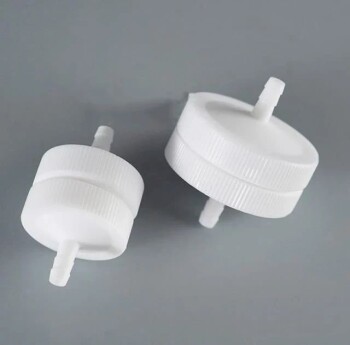
- Custom PTFE Teflon Parts Manufacturer for Sampling Filters
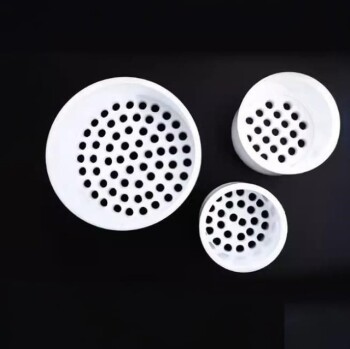
- Custom PTFE Teflon Parts Manufacturer for PTFE Mesh F4 Sieve
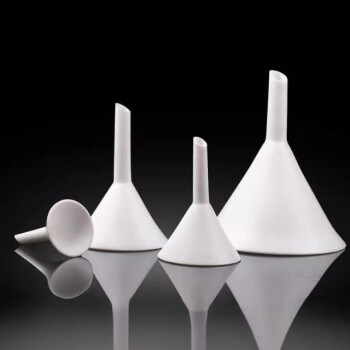
- Custom PTFE Teflon Parts Manufacturer for PTFE Buchner Funnel and Triangular Funnel
- Hydraulic Diaphragm Lab Filter Press for Laboratory Filtration
- Nickel Foam for Industrial and Laboratory Applications
People Also Ask
- What are the advantages of using PTFE filters for ionic component analysis? Ensure Accurate Sample Quantification
- Why are PTFE membrane filters selected for rice husk fractionation? Ensuring Purity in Harsh Separation Stages
- Is PTFE corrosion resistant? Discover the Ultimate Chemical Resistance for Your Lab
- What are the specific applications of PTFE in micro-batch slug flow systems? Enhance Your Microfluidic Reaction Purity
- How is PTFE utilized for insulation in Alloy 22 corrosion setups? Ensure Signal Purity & Accuracy