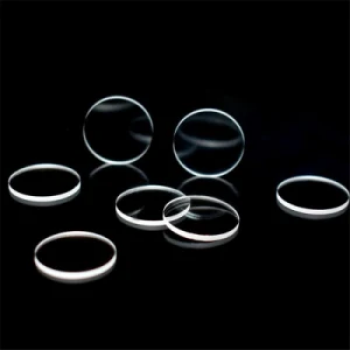
Quartz sleeves serve as a critical protective barrier for thermocouples used in aggressive testing environments. In scenarios involving molten fluoride salts and high-temperature air streams, these sleeves physically isolate the sensing element to prevent chemical attack while ensuring measurement accuracy is not compromised by sensor degradation.
Core Takeaway: Direct exposure to corrosive media destroys standard sensors, rendering data useless. Quartz sleeves provide the essential chemical stability and physical shielding required to maintain valid, high-precision temperature readings in oxidizing atmospheres up to 700°C.
The Mechanics of Protection
Chemical Stability in Aggressive Media
In corrosion testing, the environment is intentionally designed to attack materials. Quartz sleeves provide high chemical stability against specific corrosive agents, most notably molten fluoride salts.
Without this barrier, the reactive salts would come into direct contact with the thermocouple's metal sensing wires. This contact would lead to rapid corrosion and failure of the sensor itself.
Physical Shielding from Air Streams
High-temperature corrosion tests often involve dynamic air streams. A quartz sleeve acts as a robust physical shield against these heated currents.
This shielding prevents the mechanical erosion or direct oxidation of the thermocouple tip. It ensures the sensor measures the ambient temperature of the test zone rather than fluctuating due to direct impingement by the air stream.
Ensuring Data Integrity
Preventing Sensor Drift
The reliability of a thermocouple is directly tied to the physical integrity of its junction. Corrosion alters the electrical properties of the sensing element, leading to "drift" or inaccurate voltage outputs.
By using a quartz sleeve, you prevent the corrosive media from altering the sensor's composition. This ensures that the temperature data remains consistent throughout the duration of the test.
Accuracy in Oxidizing Atmospheres
Quartz is particularly effective in oxidizing environments within the 600°C to 700°C temperature range.
In this specific thermal window, the sleeve maintains the necessary thermal conductivity to pass heat to the sensor while blocking oxygen and salts. This allows researchers to trust that the recorded temperature reflects the true experimental conditions.
Understanding the Operational Limits
Temperature Constraints
While quartz is highly effective, the reference data highlights a specific effective range of 600°C to 700°C.
Operating significantly outside this window may compromise the integrity of the setup. It is vital to ensure your testing parameters align with the thermal capabilities of the quartz material being used.
The Necessity of Isolation
The use of a sleeve introduces a physical layer between the process and the sensor. This is a necessary compromise.
While direct contact offers the fastest response time, it is impossible in corrosive media like molten salts. The sleeve sacrifices a marginal amount of response speed to ensure the sensor survives long enough to record data.
Making the Right Choice for Your Goal
To ensure your corrosion testing yields valid results, consider your specific priorities:
- If your primary focus is Equipment Longevity: Utilize quartz sleeves to prevent molten fluoride salts from physically destroying your expensive thermocouple probes.
- If your primary focus is Data Accuracy: Rely on quartz shielding to prevent oxidation-induced drift in your temperature readings within the 600°C–700°C range.
By effectively isolating the sensor from the chemical attack, quartz sleeves transform a destructive environment into a measurable one.
Summary Table:
| Feature | Benefit of Quartz Sleeves | Performance Detail |
|---|---|---|
| Chemical Resistance | Isolation from molten fluoride salts | Prevents direct chemical attack on sensor wires |
| Physical Shielding | Protection from high-speed air streams | Prevents mechanical erosion and tip oxidation |
| Data Integrity | Eliminates sensor drift | Maintains consistent electrical properties for accuracy |
| Thermal Window | Optimized for 600°C - 700°C | Ideal for oxidizing atmospheres and corrosive media |
Protect Your Research with KINTEK Precision Solutions
Don't let sensor failure compromise your high-temperature experiments. KINTEK specializes in advanced laboratory equipment designed for the most demanding environments. Whether you are conducting corrosion testing in high-temperature furnaces, managing complex reactions in high-pressure reactors, or performing specialized battery research, we provide the high-quality consumables and equipment you need to succeed.
Our value to you includes:
- Comprehensive Protection: High-purity quartz sleeves and ceramic components to shield your sensors.
- Diverse Equipment Portfolio: From muffle and vacuum furnaces to crushing and milling systems.
- Expert Support: Precision-engineered solutions for high-temperature and high-pressure applications.
Ready to enhance your lab's durability and data precision? Contact KINTEK today for a consultation and find the perfect shielding and furnace solutions for your specific testing needs!
References
- Yu.A. Gribanov, В. В. Колосенко. INVESTIGATION ON CORROSION PROPERTIES OF CARBON-CARBON COMPOSITES. DOI: 10.46813/2020-125-154
This article is also based on technical information from Kintek Solution Knowledge Base .
Related Products
- High Temperature Resistant Optical Quartz Glass Sheet
- Optical Window Glass Substrate Wafer Quartz Plate JGS1 JGS2 JGS3
People Also Ask
- What is the high temperature of quartz? Key Thresholds for Crystalline vs. Fused Silica
- What is high temperature quartz? A Guide to Unmatched Thermal Stability & Purity
- What is the high temperature variety of quartz? Unlock the Secrets of Beta-Quartz & Fused Quartz
- Which materials are used as high temperature resistance materials? A Guide to Superalloys, Ceramics & Composites
- What is optical quartz? The Ultimate Material for UV and High-Temp Optics