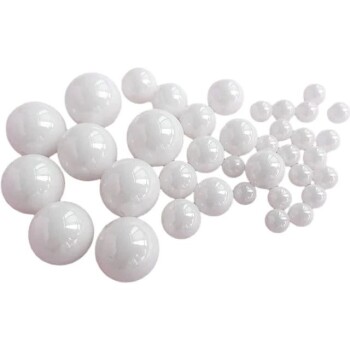
Zirconia grinding media are essential for this synthesis because they provide the extreme hardness required for high-energy milling without introducing metallic contaminants. This specific combination safeguards the material's ionic conductivity, which is easily degraded by the impurities common in softer grinding tools like stainless steel.
Core Takeaway The synthesis of halide solid-state electrolytes relies on high-impact mechanical energy that would erode standard milling equipment. Zirconia is required because it delivers this kinetic force efficiently while remaining chemically inert, preventing metal impurities that would otherwise ruin the electrolyte's conductivity and electrochemical stability.
Preserving Electrochemical Performance
Eliminating Metallic Contamination
The primary danger during ball milling is the introduction of foreign materials into your powder. Zirconia is chemically inert, preventing the introduction of metal impurities (such as iron fragments) that typically flake off from stainless steel jars.
Protecting Ionic Conductivity
Halide solid-state electrolytes are highly sensitive to their chemical composition. Even trace amounts of metal impurities can disrupt the crystal structure, leading to a significant decrease in ionic conductivity.
Maintaining the Electrochemical Window
Purity is directly linked to stability. Avoiding metallic contamination helps prevent the narrowing of the electrochemical window, ensuring the electrolyte remains stable across the required voltage range.
The Physics of Efficient Synthesis
Maximizing Impact Energy
Zirconia is characterized by extreme hardness and high density. These physical properties allow the grinding balls to transfer high kinetic energy to the precursor materials during milling.
Shortening Reaction Times
The high impact energy provided by zirconia media facilitates efficient mechanical alloying. This powerful energy transfer helps pulverize hard precursors rapidly, effectively shortening the reaction time required to synthesize the electrolyte.
Withstanding High-Energy Stress
The synthesis process involves prolonged, high-energy impact. Zirconia’s wear resistance ensures that the grinding media retains its shape and integrity throughout the process, ensuring consistent grinding efficiency.
Common Pitfalls to Avoid
The Cost of "Softer" Alternatives
While other grinding media may be less expensive, they lack the necessary hardness for this specific synthesis. Using softer media results in inefficient transfer of grinding energy, leading to incomplete reactions or coarser particle distributions.
The "Iron" Risk
The most critical trade-off to understand is that using steel media invariably leads to iron contamination. This is not merely a purity issue; it introduces unwanted side reactions that can fundamentally alter the performance characteristics of the final electrolyte.
Making the Right Choice for Your Goal
To maximize the success of your zirconium-based halide electrolyte synthesis, apply these principles:
- If your primary focus is Maximum Conductivity: Prioritize high-purity zirconia jars and balls to eliminate any possibility of metal doping that impedes ion transport.
- If your primary focus is Process Efficiency: Utilize the high density of zirconia to deliver the kinetic energy needed to reduce milling time and achieve a uniform particle distribution.
Zirconia is not just a tool; it is a critical process control for ensuring the purity and performance of advanced solid-state electrolytes.
Summary Table:
| Feature | Zirconia Media (Balls/Jars) | Stainless Steel Media |
|---|---|---|
| Hardness & Density | Extremely High (Superior Impact) | Moderate |
| Contamination Risk | Inert (No metallic impurities) | High (Iron/Metallic flakes) |
| Chemical Stability | Chemically Inert | Reactive with Halides |
| Effect on Conductivity | Preserves High Ionic Conductivity | Significantly Reduces Performance |
| Wear Resistance | Exceptional Longevity | Prone to Erosion |
| Application Focus | High-energy mechanical alloying | General low-stress milling |
Elevate Your Solid-State Battery Research with KINTEK
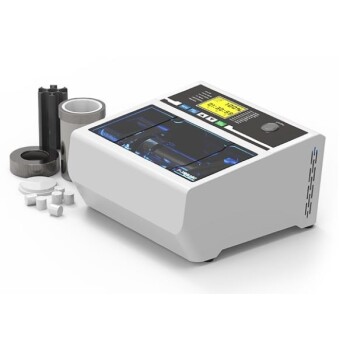
Precision in material synthesis starts with the right equipment. KINTEK specializes in premium laboratory solutions, providing the high-purity zirconia ball mill jars and grinding balls essential for synthesizing next-generation zirconium-based halide electrolytes without metallic contamination.
Our extensive portfolio supports every stage of your battery research, from crushing and milling systems and hydraulic pellet presses to specialized high-temperature furnaces (CVD/PECVD) and electrolytic cells. Whether you are optimizing ionic conductivity or scaling up production, our expert team ensures you have the durable, high-performance tools required for success.
Ready to protect your electrolyte purity? Contact KINTEK today for a consultation and custom quote!
Related Products
- Laboratory Jar Ball Mill with Alumina Zirconia Grinding Jar and Balls
- Precision Machined Zirconia Ceramic Ball for Engineering Advanced Fine Ceramics
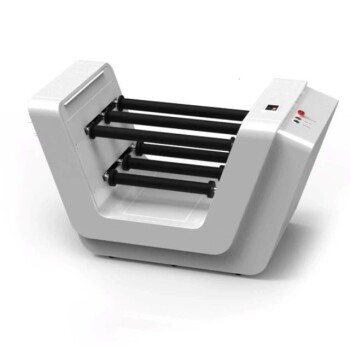
- Laboratory Single Horizontal Jar Mill
- Laboratory Ball Mill Jar Mill with Metal Alloy Grinding Jar and Balls
- Laboratory Four-Body Horizontal Jar Mill
People Also Ask
- What are the primary functions of using a ball mill for BZCY72 powder? Achieve High Purity and Enhanced Sintering
- In what way does a laboratory ball mill affect material properties when modifying PHBV/pulp fiber composites?
- Why is a laboratory ball mill required for ultra-fine fly ash? Unlock Nano-Scale Adsorption Power
- What is the function of a laboratory ball mill in the preparation of AMMCs? Optimize Dispersion & Grain Refinement
- What is the function of a laboratory ball mill in the pretreatment of waste tire char (WTC)? Optimize Material Reactivity