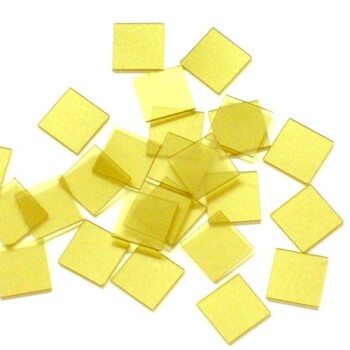
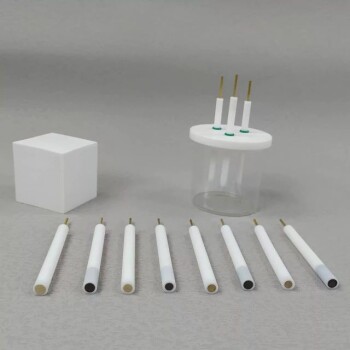
Boron-Doped Diamond (BDD) thin-film electrodes serve as the premier choice for electro-oxidation in textile wastewater treatment because they combine extreme physical durability with the ability to generate powerful oxidizing agents. Unlike traditional anodes that may suffer from fouling or side reactions, BDD electrodes utilize a wide electrochemical window to efficiently convert water into hydroxyl radicals, ensuring the total destruction of persistent organic pollutants.
Core Takeaway The BDD electrode acts as a potent "radical factory," leveraging its high oxygen evolution overpotential to generate non-selective hydroxyl radicals. This mechanism allows it to bypass simple oxygen generation and instead completely mineralize complex organic structures into harmless carbon dioxide and water.
The Physicochemical Advantage
To understand why BDD is ideal for industrial wastewater, one must look beyond the material itself and look at the electrochemical environment it creates.
Superior Electrochemical Window
The primary driver of BDD’s efficiency is its exceptionally wide electrochemical window.
In simple terms, this window determines what reactions can occur before the water itself starts breaking down into oxygen gas.
BDD possesses a high oxygen evolution overpotential. This means the electrode resists generating oxygen gas as a side reaction, channeling that energy into more useful oxidation processes instead.
Generation of Hydroxyl Radicals
Because of the high overpotential described above, the BDD electrode facilitates water discharge.
Instead of producing bubbles of oxygen, the electrode generates large quantities of heterogeneous hydroxyl radicals on its surface.
These radicals are the functional "engines" of the cleaning process. They are highly reactive and act as non-selective oxidants, attacking pollutants indiscriminately.
Complete Mineralization
The ultimate goal in treating textile wastewater is not just to break pollutants down into smaller pieces, but to eliminate them entirely.
The hydroxyl radicals generated by BDD are powerful enough to achieve complete mineralization.
They convert recalcitrant (hard-to-break) organic pollutants all the way down to carbon dioxide and water, rather than leaving behind toxic intermediate byproducts.
Durability and Operational Stability
Beyond chemical reactivity, BDD electrodes address the physical challenges of processing industrial sludge and wastewater.
Minimal Surface Adsorption
A common failure point in wastewater electrolysis is electrode fouling, where pollutants stick to the anode surface and block reactions.
BDD features minimal surface adsorption characteristics.
This "non-stick" property prevents organic materials from adhering to the electrode, maintaining high efficiency over time without frequent cleaning.
Exceptional Corrosion Resistance
Textile wastewater often contains aggressive chemicals and fluctuating pH levels.
BDD offers superior corrosion resistance compared to traditional materials.
This chemical stability ensures the electrode remains intact and effective even in harsh industrial environments, leading to a longer operational lifespan.
Understanding the Reaction Dynamics
While BDD is considered "ideal" for degradation, it is important to understand the nature of the oxidation process it employs.
The Implications of Non-Selectivity
The hydroxyl radicals produced by BDD are non-selective.
This is highly beneficial for wastewater where the goal is total destruction of mixed contaminants (COD and TOC removal).
However, this means the system does not target specific compounds; it attacks all organic matter present until mineralization is achieved.
Making the Right Choice for Your Goal
When evaluating anode materials for wastewater treatment, align your choice with your specific technical requirements.
- If your primary focus is Maximum Degradation Efficiency: Choose BDD for its high oxygen evolution overpotential, which maximizes the production of hydroxyl radicals to obliterate recalcitrant pollutants.
- If your primary focus is Operational Longevity: Rely on BDD for its corrosion resistance and minimal surface adsorption, which significantly reduces maintenance caused by fouling and chemical wear.
Ultimately, the BDD electrode is the definitive solution for scenarios requiring the aggressive, complete mineralization of organic pollutants in harsh aqueous environments.
Summary Table:
| Feature | BDD Electrode Benefit | Impact on Wastewater Treatment |
|---|---|---|
| Electrochemical Window | Exceptionally Wide | High oxygen evolution overpotential prevents energy waste. |
| Oxidizing Agent | Hydroxyl Radicals (•OH) | Non-selective, aggressive destruction of persistent pollutants. |
| Mineralization | Complete Conversion | Transforms organic waste into harmless CO2 and water. |
| Surface Property | Minimal Adsorption | Prevents electrode fouling and maintains peak efficiency. |
| Chemical Stability | High Corrosion Resistance | Ensures long operational life in aggressive textile effluents. |
Upgrade Your Wastewater Treatment with KINTEK Precision
Are you struggling with persistent organic pollutants or frequent electrode fouling? KINTEK specializes in advanced laboratory and industrial solutions, providing high-performance electrolytic cells and electrodes specifically designed for rigorous electro-oxidation tasks.
By choosing KINTEK’s BDD technology, you gain:
- Maximum Efficiency: Achieve complete mineralization of TOC and COD.
- Unmatched Durability: Long-lasting corrosion-resistant materials for harsh industrial environments.
- Comprehensive Support: Access to our full range of laboratory equipment, from high-temperature furnaces to cooling solutions and precision reactors.
Ready to optimize your mineralization process? Contact KINTEK today to discuss your project and find the perfect electrode configuration for your needs.
References
- Edison GilPavas, Miguel Ángel Gómez García. Statistical optimization of industrial textile wastewater treatment by electrochemical methods. DOI: 10.1007/s10800-014-0767-y
This article is also based on technical information from Kintek Solution Knowledge Base .
Related Products
- Laboratory CVD Boron Doped Diamond Materials
- Electron Beam Evaporation Coating Conductive Boron Nitride Crucible BN Crucible
- Electron Beam Evaporation Coating Oxygen-Free Copper Crucible and Evaporation Boat
- Graphite Disc Rod and Sheet Electrode Electrochemical Graphite Electrode
- Platinum Sheet Electrode for Laboratory and Industrial Applications
People Also Ask
- What is the purpose of adding a boron source in CVD diamond growth? Master P-Type Semiconductor Conductivity
- What materials are CVD deposition? From Semiconductors to Super-Hard Coatings
- What are the advantages of BDD electrodes? Maximize Wastewater Treatment Efficiency and Durability
- What are the applications of CVD diamonds? From Jewelry to High-Tech Tools
- Are CVD diamonds good? Real Diamonds with Ethical Origins & Better Value