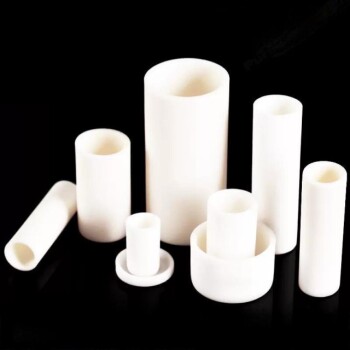
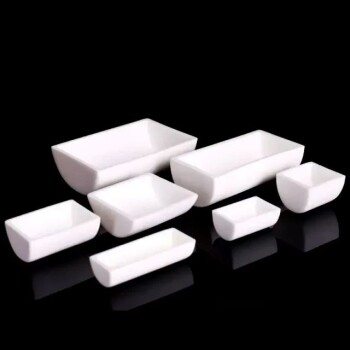
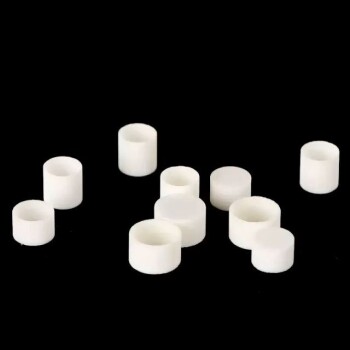
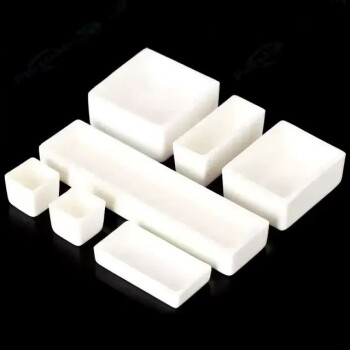
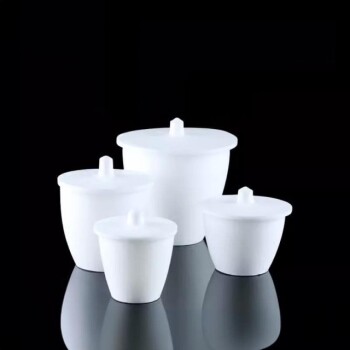
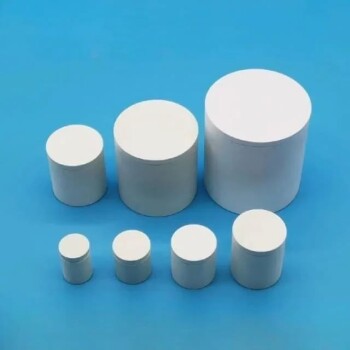
The primary reason for selecting a corundum crucible over a steel crucible is to eliminate the risk of iron contamination during the heating process. While steel is a traditional material, it reacts with magnesium at high temperatures, introducing impurities that make it impossible to achieve ultra-high purity grades.
To produce magnesium at 99.999% purity, you must eliminate the container as a source of contamination. Steel crucibles inevitably leach iron into the melt, whereas corundum remains chemically inert.
The Chemistry of Contamination
The Reactivity of Steel
Standard steel crucibles are widely used in general metallurgy because they are robust and cost-effective.
However, steel is primarily composed of iron. At the elevated temperatures required to melt magnesium, the steel vessel becomes reactive.
Iron Leaching
As the magnesium melts, it interacts with the steel walls of the crucible.
This interaction causes iron atoms to migrate from the crucible into the molten magnesium. Even trace amounts of iron significantly degrade the overall purity of the final product.
Why Corundum is the Superior Choice
Chemical Inertness
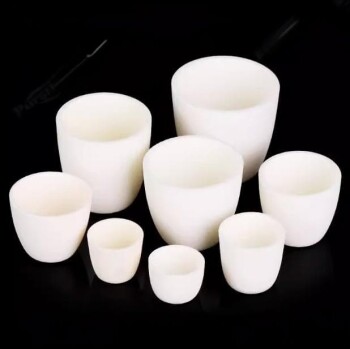
Corundum, formed from alumina (aluminum oxide), possesses excellent chemical stability.
Unlike steel, corundum does not react with molten magnesium. It acts as a strictly neutral containment vessel, preventing any chemical exchange between the crucible and its contents.
Achieving "5N" Purity
For applications requiring ultra-high purity, often referred to as "5N" (99.999%), every source of impurity must be controlled.
Using a corundum crucible removes the variable of container contamination entirely. This allows the process to yield magnesium that meets the strictest purity standards, which is physically impossible when using steel.
Understanding the Trade-offs
Cost vs. Quality
While corundum offers superior technical performance, it is important to acknowledge the economic factor.
Steel crucibles are noted for being more cost-effective. If extreme purity is not a requirement, steel remains a viable option for general processing.
However, when the objective is high-purity material, the cost savings of steel are negated by the degradation of the product quality.
Making the Right Choice for Your Goal
Select your equipment based on the final specifications required for your magnesium product.
- If your primary focus is Ultra-High Purity (99.999%): You must use a corundum crucible to ensure total chemical inertness and prevent iron contamination.
- If your primary focus is Cost Efficiency: A steel crucible may suffice, provided that trace iron impurities are acceptable for your specific application.
Ultimately, the material of the crucible dictates the ceiling of purity you can achieve.
Summary Table:
| Feature | Steel Crucible | Corundum Crucible |
|---|---|---|
| Composition | Primarily Iron | Alumina (Aluminum Oxide) |
| Chemical Reactivity | Reactive with molten Magnesium | Highly Inert/Non-reactive |
| Purity Potential | Standard grades only | Ultra-high purity (99.999% / 5N) |
| Contamination Risk | High iron leaching | Zero container contamination |
| Primary Advantage | Cost-effective for general use | Superior material quality & stability |
Elevate Your Material Purity with KINTEK Expertise
Don't let container contamination compromise your research or production quality. KINTEK specializes in high-performance laboratory solutions, providing the precision corundum and ceramic crucibles necessary for achieving 5N purity standards.
Whether you are melting reactive metals, performing advanced battery research, or utilizing our high-temperature furnaces and vacuum systems, our technical team is ready to equip your lab with the best-in-class tools.
Ready to upgrade your thermal processing? Contact KINTEK today to explore our comprehensive range of high-temperature crucibles, muffle furnaces, and specialized consumables tailored to your exact specifications.
Related Products
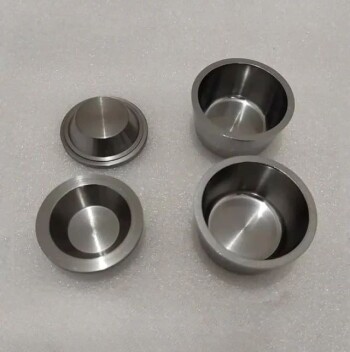
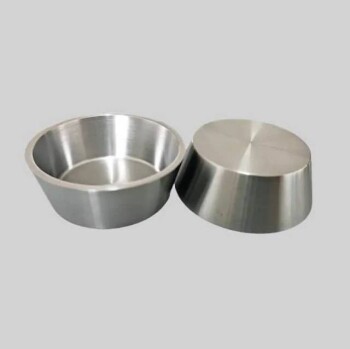
- Electron Beam Evaporation Coating Tungsten Crucible and Molybdenum Crucible for High Temperature Applications
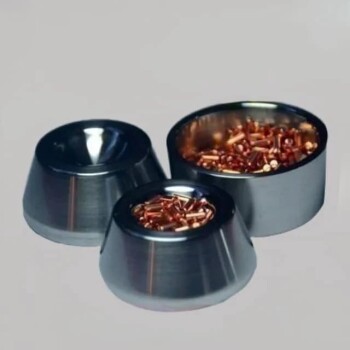
- Electron Beam Evaporation Coating Gold Plating Tungsten Molybdenum Crucible for Evaporation
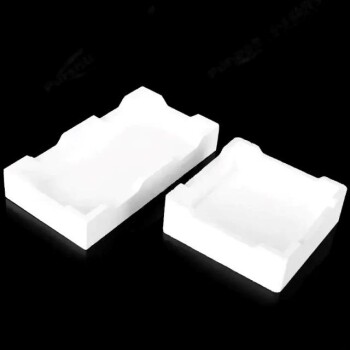
- Arc-Shaped Alumina Ceramic Crucible High Temperature Resistant for Engineering Advanced Fine Ceramics
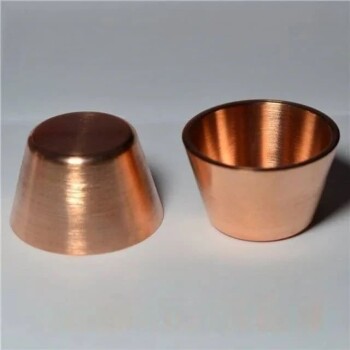
- Electron Beam Evaporation Coating Oxygen-Free Copper Crucible and Evaporation Boat
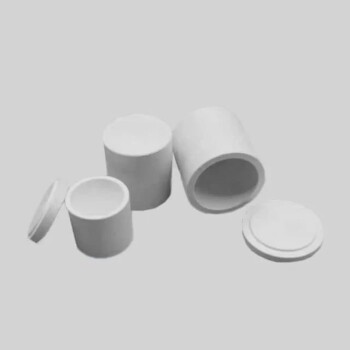
- Engineering Advanced Fine Ceramics Alumina Al2O3 Crucible With Lid Cylindrical Laboratory Crucible
People Also Ask
- What is the container that holds the metal source material called in e-beam evaporation? Ensure Purity and Quality in Your Thin-Film Deposition
- What materials are used in electron beam evaporation? Master High-Purity Thin Film Deposition
- What is the voltage of e-beam evaporation? Achieve Precise Thin-Film Deposition
- What are the applications of e-beam evaporation? Achieve High-Purity Coatings for Optics & Electronics
- What is e-beam evaporation? Achieve High-Purity Thin Film Deposition for Your Lab