Acetone serves as a critical process control agent during the mechanical alloying of Yttria-Stabilized Zirconia-Silicon Carbide (YSZ-SiC) powders. Acting primarily as a surfactant and grinding aid, it functions by lowering the surface energy of the powder particles to prevent them from clumping together during the milling process.
By significantly reducing surface energy, acetone prevents the severe agglomeration typical of prolonged high-energy milling. This ensures the powders remain fluid and achieve an optimal microscopic dispersion of the ceramic components.
The Function of Acetone in Mechanical Alloying
Acting as a Surfactant
In the context of wet ball milling, acetone acts as a surfactant.
Its primary role is to coat the individual particles of the powder mixture.
This coating alters the interaction between particles, changing how they respond to the intense physical forces inside the mill.
Lowering Surface Energy
The core mechanism at play is the reduction of surface energy.
Nanopowders naturally possess high surface energy, which makes them chemically and physically "sticky."
Acetone lowers this energy, reducing the tendency of the particles to adhere to one another or to the milling media.
Solving the Agglomeration Problem
Counteracting High-Energy Forces
Mechanical alloying involves prolonged high-energy milling.
Without a control agent, this energy forces particles together, leading to strong agglomeration.
Acetone acts as a barrier, keeping the particles distinct even under intense pressure.
Ensuring Microscopic Dispersion
The goal of alloying YSZ and SiC is to create a uniform composite material.
Acetone facilitates optimal microscopic dispersion by allowing the different material phases to mix freely.
This results in a homogenous blend rather than clusters of isolated material.
Understanding the Risks of Omission
The Danger of Dry Milling
Omitting a process control agent like acetone often leads to processing failure in nanomaterials.
The primary risk is uncontrolled agglomeration, where particles fuse into larger, unusable clusters.
This prevents the formation of a true alloy or composite structure.
Impact on Powder Fluidity
Effective milling requires the powder to move and flow inside the container.
Without acetone, surface forces degrade powder fluidity.
Poor fluidity results in uneven milling and inconsistent material properties in the final product.
Making the Right Choice for Your Goal
To ensure the highest quality YSZ-SiC composite, you must control the milling environment.
- If your primary focus is material homogeneity: Use acetone to lower surface energy, ensuring the YSZ and SiC phases mix at a microscopic level.
- If your primary focus is particle size reduction: Rely on acetone to prevent agglomeration, keeping particles separate so they can be effectively fractured and refined.
Using acetone transforms the milling process from a chaotic collision of clumps into a controlled, efficient dispersion of nanoparticles.
Summary Table:
| Function of Acetone | Mechanism of Action | Impact on YSZ-SiC Powder |
|---|---|---|
| Surfactant | Coats particle surfaces | Prevents cold welding and clumping |
| Grinding Aid | Lowers surface energy | Enhances powder fluidity and milling efficiency |
| Dispersion Agent | Reduces inter-particle forces | Ensures optimal microscopic mixing of phases |
| Agglomeration Control | Physical barrier | Prevents formation of unusable clusters |
Elevate Your Material Research with KINTEK Precision Solutions
Achieving the perfect microscopic dispersion in YSZ-SiC composites requires more than just the right process control agent—it demands high-performance equipment. KINTEK specializes in advanced laboratory solutions tailored for researchers and manufacturers.
Whether you need high-energy crushing and milling systems to refine your powders, or precision hydraulic presses and high-temperature furnaces to sinter your final composites, our team provides the tools you need for consistent, repeatable results.
Ready to optimize your alloying process? Contact us today to discover how KINTEK’s comprehensive range of laboratory equipment and consumables can enhance your material science workflows.
References
- Nurul Nadiah Mahmud, Kei Ameyama. Fabrication of Yttria Stabilized Zirconia-Silicon Carbide Composites with High Strength and High Toughness by Spark Plasma Sintering of Mechanically Milled Powders. DOI: 10.2320/matertrans.y-m2014835
This article is also based on technical information from Kintek Solution Knowledge Base .
Related Products
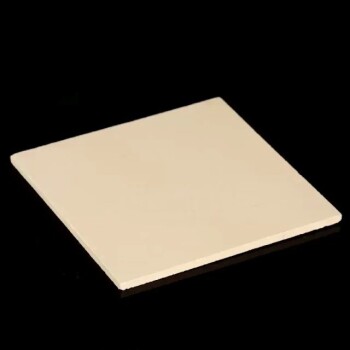
- Precision Machined Yttria Stabilized Zirconia Ceramic Plate for Engineering Advanced Fine Ceramics
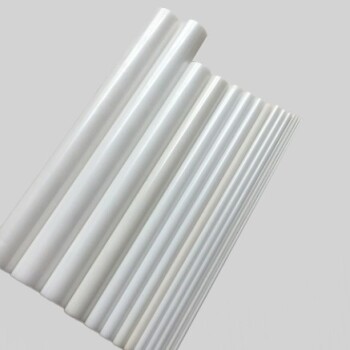
- Precision Machined Yttrium Stabilized Zirconia Ceramic Rod for Engineering Advanced Fine Ceramics
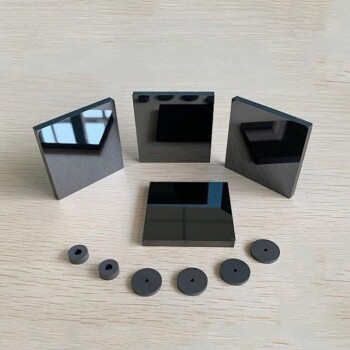
- Silicon Carbide (SIC) Ceramic Sheet Wear-Resistant Engineering Advanced Fine Ceramics
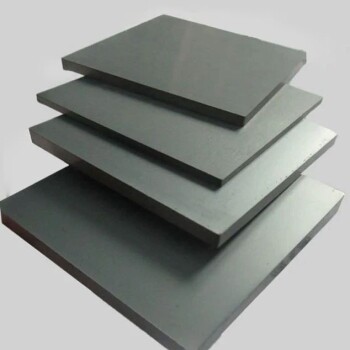
- Silicon Carbide (SIC) Ceramic Plate for Engineering Advanced Fine Ceramics
- Silicon Carbide (SIC) Ceramic Sheet Flat Corrugated Heat Sink for Engineering Advanced Fine Ceramics
People Also Ask
- What is the purpose of adding yttria to zirconia? Master High-Performance Ceramic Stability and Strength
- What type of zirconia is most commonly used in dentistry? Choose Between Strength and Aesthetics
- What are the applications of zirconia ceramics? Unlock High-Performance Solutions for Extreme Environments
- Can ceramic withstand high temperatures? Discover the Superior Materials for Extreme Heat
- What are the useful applications of ceramics? Unlock High-Performance Solutions for Your Industry