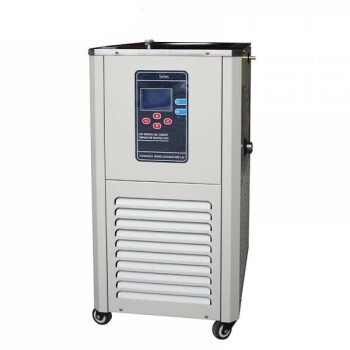
High-precision chemical activation equipment is the determining factor in the quality of biomass-derived activated carbon. It provides the necessary environment for activators like zinc chloride (ZnCl2), phosphoric acid (H3PO4), or potassium hydroxide (KOH) to react uniformly with carbonized materials. Without the precise temperature control and consistent stirring this equipment offers, it is impossible to achieve the thorough surface etching required for high-performance applications.
Core Takeaway To produce activated carbon with an extremely high specific surface area, the chemical reaction must be perfectly uniform across the entire carbon matrix. High-precision equipment guarantees this uniformity through rigorous temperature regulation and mixing, directly enabling the formation of a dense network of micropores and mesopores.
The Mechanics of Chemical Activation
The Role of the Activator
Chemical activation relies on mixing carbonized biomass with powerful chemical agents. Common activators include zinc chloride (ZnCl2), phosphoric acid (H3PO4), and potassium hydroxide (KOH).
The Necessity of Thorough Contact
Simply adding these chemicals to biomass is not enough. The activator must be in thorough contact with the carbon matrix to initiate the activation process effectively.
Achieving Uniform Reactions
The reaction between the activator and the carbon must be uniform throughout the batch. If the mixture is inconsistent, the resulting material will have uneven properties and reduced performance.
Critical Equipment Functions
Precise Temperature Control
Chemical activation is highly sensitive to thermal conditions. Equipment equipped with precise temperature control ensures the reaction occurs at the exact energy level required for optimal etching.
Consistent Stirring Capabilities
Mechanical agitation is essential for homogeneity. Stirring functions integrated into the equipment ensure the activator is continuously redistributed, preventing "hot spots" or dead zones where no activation occurs.
Etching the Carbon Surface
The combination of heat and motion allows the chemical agent to physically and chemically etch the carbon surface. This controlled erosion is what creates the internal structure of the material.
The Outcome: Pore Structure and Surface Area
Developing Micropores and Mesopores
The primary goal of using high-precision equipment is to engineer the pore structure. A uniform reaction produces a high proportion of micropores and mesopores, which are critical for adsorption.
Maximizing Specific Surface Area
When the pore network is highly developed, the material achieves an extremely high specific surface area. This metric defines the commercial and functional value of the final activated carbon product.
Understanding the Trade-offs
Equipment Cost vs. Product Quality
High-precision equipment requires a higher initial capital investment compared to basic mixing setups. However, relying on low-precision tools often results in wasted raw materials and inconsistent batch quality, which can be more costly in the long run.
Complexity of Operation
Advanced equipment with integrated thermal and stirring controls requires skilled operation. Operators must understand how to adjust parameters for different activators (e.g., handling KOH versus H3PO4) to prevent equipment damage or suboptimal activation.
Making the Right Choice for Your Goal
To maximize the potential of your biomass feedstock, your equipment selection must align with your specific performance targets.
- If your primary focus is Maximum Surface Area: Prioritize equipment with advanced stirring mechanisms to ensure the activator creates the highest possible density of micropores.
- If your primary focus is Batch Consistency: Look for equipment with superior thermal regulation to ensure that every kilogram of product undergoes the exact same reaction profile.
Precision in the activation stage is the only path to producing commercial-grade activated carbon.
Summary Table:
| Feature | Importance in Activation | Impact on Activated Carbon |
|---|---|---|
| Precise Temp Control | Ensures optimal reaction energy for activators like KOH and H3PO4. | Uniform surface etching and consistent batch quality. |
| Mechanical Stirring | Eliminates hot spots and ensures thorough activator contact. | Dense network of micropores and mesopores. |
| Surface Etching | Physically and chemically erodes the carbon matrix. | Maximizes specific surface area for high-performance adsorption. |
| Process Stability | Maintains exact parameters throughout the activation cycle. | Prevents wasted raw materials and ensures commercial-grade output. |
Elevate Your Material Research with KINTEK Precision
Don't let inconsistent activation compromise your research. KINTEK specializes in high-performance laboratory equipment designed for the most demanding chemical processes. Whether you need rotary or atmosphere furnaces for precise thermal regulation, or advanced crushing and milling systems to prepare your biomass, we provide the tools necessary to achieve maximum specific surface area.
Our value to you:
- Comprehensive Equipment Range: From high-temperature furnaces and hydraulic presses to specialized electrolytic cells and cooling solutions.
- Unmatched Precision: Engineered for uniform reactions and consistent batch-to-batch results.
- Expert Support: Specialized solutions for battery research, high-pressure reactors, and high-quality consumables like crucibles and PTFE products.
Ready to produce commercial-grade activated carbon? Contact KINTEK today to find the perfect equipment for your lab!
References
- Apoorva Shetty, Gurumurthy Hegde. Biomass-Derived Carbon Materials in Heterogeneous Catalysis: A Step towards Sustainable Future. DOI: 10.3390/catal13010020
This article is also based on technical information from Kintek Solution Knowledge Base .
Related Products
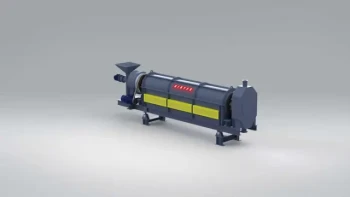
- Electric Rotary Kiln Small Rotary Furnace for Activated Carbon Regeneration
- Lab Electrochemical Workstation Potentiostat for Laboratory Use
- Customizable Laboratory High Temperature High Pressure Reactors for Diverse Scientific Applications
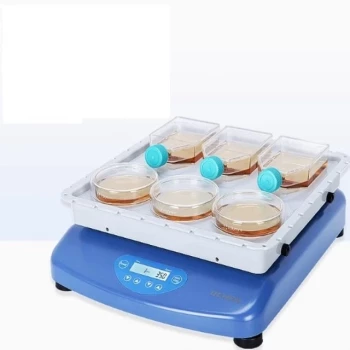
- Laboratory Oscillating Orbital Shaker
- Stainless High Pressure Autoclave Reactor Laboratory Pressure Reactor
People Also Ask
- What is a rotary kiln electric furnace? Achieve Superior Uniform Heating for Your Materials
- What is the temperature of activated carbon regeneration? Unlock the 1000°F Process for Reuse
- What is the regeneration temperature of activated carbon? Optimize Your Process with the Right Method
- What are the characteristics of the slipping, slumping, and rolling modes of bed motion? Optimize Your Rotary Process
- What are the parts of a carbon regeneration kiln? A Guide to Its Core Components and Function