Grinding is a critical preparatory step that physically alters the polymer's surface architecture to ensure coating survival. By stripping away the smooth outer resin layer, this process exposes the underlying reinforcing fibers and drastically increases surface roughness. This physical modification is the only way to create the necessary mechanical anchors for thermal spray coatings to adhere to the substrate.
The primary function of grinding is to enhance adhesion strength by transforming a smooth polymer surface into a roughened, fiber-exposed texture. This allows sprayed particles to mechanically interlock with the substrate, creating a stable bond that prevents delamination.
The Mechanics of Surface Preparation
Removing the Resin Barrier
Polymers typically feature a resin-rich outer layer that is naturally smooth and resistant to bonding. Grinding is necessary to physically remove this slick surface. Without this removal, the coating would sit on top of a low-friction surface, leading to almost immediate adhesive failure.
Exposing Reinforcing Fibers
Effective grinding goes beyond surface scratching; it penetrates deep enough to expose the reinforcing fibers within the polymer matrix. These fibers provide a more robust and complex structure than the resin alone. They act as distinct anchor points that the thermal spray material can grip onto.
Increasing Effective Roughness
The adhesion of thermal spray coatings relies heavily on the surface area available for contact. Grinding significantly increases the effective surface roughness of the part. This creates a microscopic landscape of peaks and valleys, vastly increasing the total surface area available for the coating to bond with.
Facilitating Mechanical Interlocking
Unlike processes that rely on chemical bonds, thermal spraying on polymers depends primarily on mechanical interlocking. As the molten or semi-molten particles strike the substrate, they deform and lock into the roughened textures created by grinding. The "valleys" created during pre-treatment act as keyholes that trap the solidifying coating.
Understanding the Trade-offs
Balancing Roughness with Integrity
While aggressive grinding improves adhesion, there is a risk of damaging the substrate's structural integrity. Removing too much material or damaging the fibers excessively can weaken the component itself. The goal is to modify the surface texture without compromising the bulk strength of the polymer part.
Uniformity Challenges
Inconsistent grinding can lead to variable adhesion strength across the surface of the component. Areas that are under-ground will suffer from weak bonding and potential peeling. Precision in the grinding process is required to ensure the entire contact area provides uniform mechanical anchoring.
Ensuring Coating Success
To maximize the lifespan and durability of your thermal spray coating, consider the following based on your specific requirements:
- If your primary focus is maximum adhesion strength: Prioritize a grinding process that fully removes the top resin layer to expose the reinforcing fibers beneath.
- If your primary focus is substrate integrity: carefully control the grinding depth to achieve roughness without severing the structural fibers responsible for the part's load-bearing capacity.
Surface preparation is not merely a cleaning step; it is the foundational interface that determines whether a coating holds or fails.
Summary Table:
| Preparation Factor | Impact on Polymer Substrate | Role in Thermal Spraying |
|---|---|---|
| Resin Removal | Eliminates the smooth, low-friction outer layer | Prevents immediate adhesive failure |
| Fiber Exposure | Uncovers underlying reinforcing fibers | Provides robust mechanical anchor points |
| Surface Roughness | Creates a landscape of peaks and valleys | Increases effective bonding surface area |
| Mechanical Interlock | Transforms surface into a "keyhole" texture | Traps molten particles for stable bonding |
Elevate Your Material Preparation with KINTEK
Don't let poor surface preparation compromise your coating integrity. KINTEK specializes in advanced crushing and milling systems designed to achieve the precise surface roughness required for demanding thermal spray applications. Whether you are working with complex polymer substrates or high-performance ceramics, our laboratory equipment ensures the perfect balance between adhesion strength and structural integrity.
From high-temperature furnaces for post-treatment to precision grinding tools and hydraulic presses, KINTEK provides the comprehensive solutions research labs and manufacturers need to succeed.
Ready to optimize your coating process? Contact our technical experts today to find the ideal equipment for your specific application.
References
- Alina Marguță, Dumitru Nedelcu. COATED POLYMERS -A REVIEW. DOI: 10.54684/ijmmt.2022.14.2.128
This article is also based on technical information from Kintek Solution Knowledge Base .
Related Products
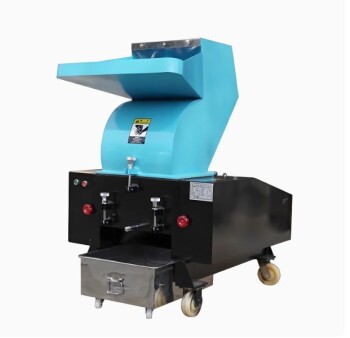
- Powerful Plastic Crusher Machine
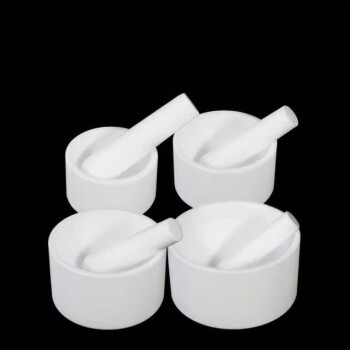
- Custom PTFE Teflon Parts Manufacturer Grinding Bowl
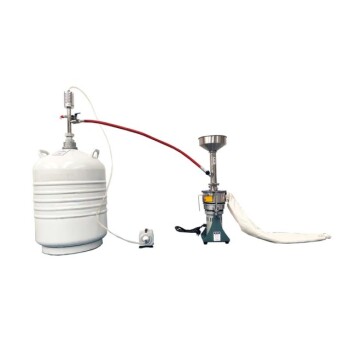
- lab cryogenic grinding use liquid-nitrogen for pulverizing plastic raw materials and heat sensitive materials
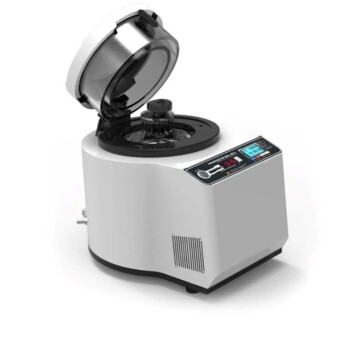
- Laboratory High Throughput Tissue Grinding Mill Grinder
- Liquid Nitrogen Cryogenic Grinder Mill Cryomill Airflow Ultrafine Pulverizer
People Also Ask
- What is the primary purpose of using an industrial-grade grinder for flax straw? Optimize Biomass Pretreatment Now
- What is the primary function of a crushing system? Optimize Rice Husk Fractionation with Precise Size Reduction
- What is the primary function of industrial crushers in battery dismantling? Optimize Your Recovery Feedstock
- What are the contaminants in plastic pyrolysis oil? Manage Impurities for Commercial Success
- Why is it necessary to use an ultrasonic cell disruptor before yeast flow cytometry? Ensure Data Accuracy