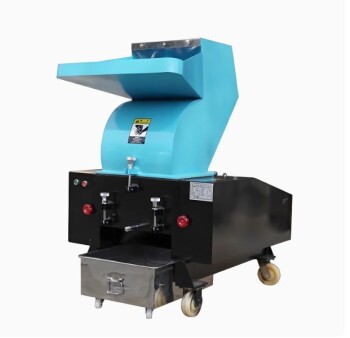
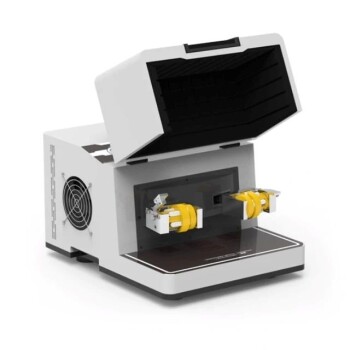
The physical state of your feedstock dictates the stability of your experiment. Pelletizing, crushing, and sieving are necessary to transform irregular, low-density biomass into a uniform fuel that flows reliably through automated feeders and behaves predictably within the reactor. Without these steps, mechanical blockages and unstable fluidization will compromise your data.
Core Insight: The preparation process is not merely about size reduction; it is about standardization. By normalizing the bulk density and particle size of biomass (like bark or lignin), you ensure the fuel matches the mechanical constraints of the screw feeder and the aerodynamic requirements of the fluidized bed.
The Role of Pelletizing
Pelletizing is the first critical step in converting raw, heterogeneous biomass into a usable experimental fuel.
Increasing Bulk Density
Raw biomass materials, such as bark and lignin, often have very low and inconsistent bulk densities.
Pelletizing compresses this material, significantly increasing its density. This allows for more consistent mass input per unit of volume, which is essential for maintaining steady-state conditions during gasification.
Ensuring Component Uniformity
Raw biomass is naturally inconsistent in composition and structure.
By pelletizing the material, you create a fuel source with high component uniformity. This minimizes fluctuations in gas production that might otherwise occur due to natural variations in the raw feedstock.
The Necessity of Precision Crushing and Sieving
Once pelletized, the fuel must be mechanically refined to interact correctly with your experimental equipment.
Preventing Feeder Blockages
Automated experimental setups typically use screw feeders to introduce fuel into the reactor.
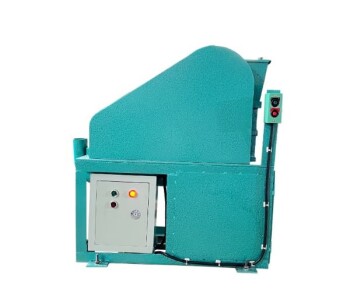
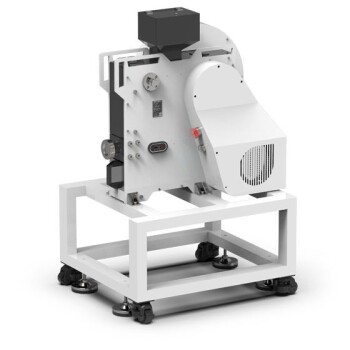
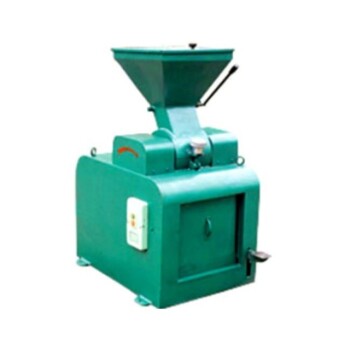
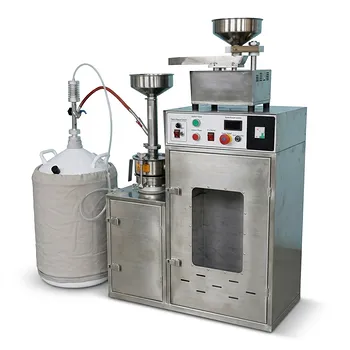
If particles are too large or irregular, they will cause mechanical blockages in the feeder. Precision crushing reduces the pellets to a manageable size, while sieving removes oversized particles that exceed the screw feeder's specific tolerance.
Maintaining a Stable Fluidization State
A fluidized bed reactor relies on a delicate balance of gas flow and particle weight to keep the fuel "floating" or fluidized.
Sieving ensures the fuel falls within a specific particle size range. This uniformity is required to maintain a stable fluidization state, preventing the fuel from simply sitting at the bottom (de-fluidization) or being blown out of the reactor entirely.
Common Pitfalls and Trade-offs
Understanding the risks of skipping these steps helps prioritize your preparation workflow.
The Cost of Poor Size Control
Failing to sieve biomass rigorously often results in immediate operational failure.
Even a small percentage of oversized particles can jam a screw feeder, forcing an abort of the experiment. Conversely, undersized "fines" (dust) may bypass the reaction zone entirely, skewing your carbon conversion efficiency data.
Balancing Density with Reactivity
While pelletizing improves density, it alters the physical structure of the biomass.
You must ensure that the crushing process restores enough surface area for efficient reaction. The goal is a particle that is dense enough to feed reliably but small enough to react quickly within the bed.
Making the Right Choice for Your Goal
To ensure your gasification experiments yield valid results, tailor your preparation to your specific equipment constraints.
- If your primary focus is Operational Reliability: Prioritize strict sieving to match your screw feeder's maximum clearance, as this eliminates the most common cause of experimental downtime (jams).
- If your primary focus is Reactor Stability: Focus on pelletizing to maximize bulk density, ensuring the fuel is heavy enough to remain in the fluidized zone without blowing out.
Ultimately, precise feedstock preparation is the only way to decouple equipment artifacts from true experimental data.
Summary Table:
| Preparation Step | Primary Purpose | Key Experimental Benefit |
|---|---|---|
| Pelletizing | Increases bulk density and component uniformity | Ensures steady-state feeding and consistent gas production |
| Crushing | Reduces pellets to manageable dimensions | Prevents mechanical blockages in automated screw feeders |
| Sieving | Standardizes particle size distribution | Maintains a stable fluidization state and accurate conversion data |
Precision Equipment for Flawless Biomass Research
Don't let poor feedstock preparation compromise your gasification data. KINTEK provides the high-performance tools you need to standardize your research, including professional-grade crushing and milling systems, sieving equipment, and hydraulic presses for reliable pelletizing.
From high-temperature reactors to specialized laboratory consumables, we empower researchers with equipment designed for precision and durability. Contact KINTEK today to discuss how our solutions can enhance your lab's efficiency and ensure the success of your next experiment!
References
- Mateusz Szul, Tomasz Iluk. Influence of pressure and CO2 in fluidized bed gasification of waste biomasses. DOI: 10.1007/s13399-020-00840-9
This article is also based on technical information from Kintek Solution Knowledge Base .
Related Products
- Three-dimensional electromagnetic sieving instrument
- Laboratory Vibratory Sieve Shaker Machine for Dry and Wet Three-Dimensional Sieving
- Laboratory Test Sieves and Sieving Machines
- Sealed Jaw Crusher High Efficiency Environmental Protection Safe and Reliable
- Laboratory Jaw Crusher
People Also Ask
- Why is sieving equipment essential for the classification of processed bio-activated carbon? Optimize Performance
- What are the limitations of sieving? Understanding the Constraints of Particle Size Analysis
- What are advantages and disadvantages of sieving method? A Guide to Reliable & Cost-Effective Particle Sizing
- How is sieving important? The Critical Role of Particle Size Analysis in Quality Control
- What is sieving and how does it work? A Guide to Accurate Particle Size Analysis