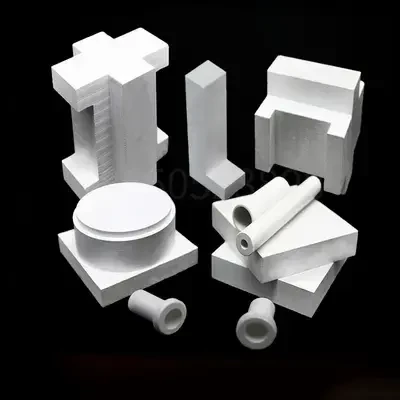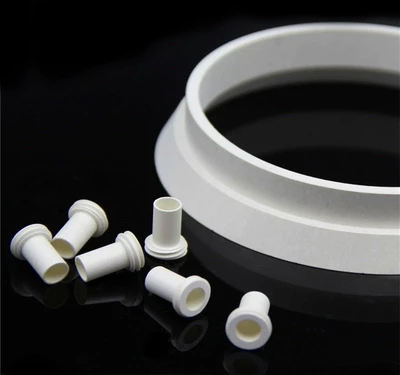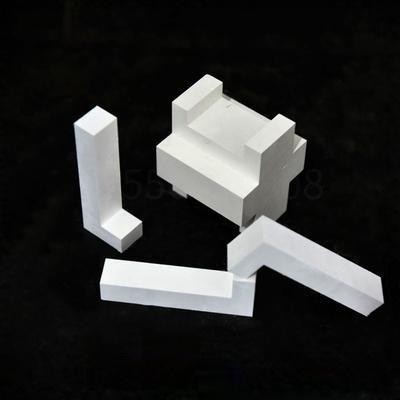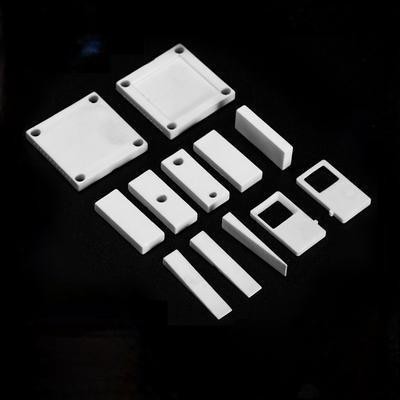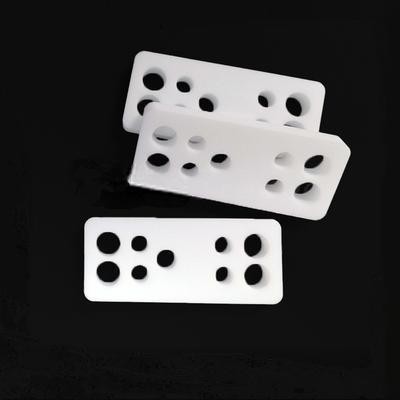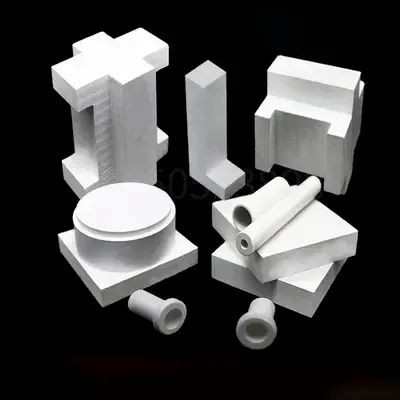
Products Lab Consumables & Materials fine ceramics Advanced Engineering Fine Ceramics Boron Nitride (BN) Ceramic Parts
Advanced Engineering Fine Ceramics Boron Nitride (BN) Ceramic Parts

fine ceramics

Advanced Engineering Fine Ceramics Boron Nitride (BN) Ceramic Parts

Item Number : KM-P01

Price varies based on specs and customizations


Material
Boron nitride (BN)
Specification
Customizable
ISO & CE icon

Shipping:

Contact us to get shipping details Enjoy On-time Dispatch Guarantee.

View Specs

Why Choose Us

Easy ordering process, quality products, and dedicated support for your business success.

Easy Process Quality Assured Dedicated Support

Application

Boron nitride (BN) is a compound with equal numbers of boron and nitrogen atoms. An advanced synthetic ceramic material available in powder, solid, liquid or aerosol form. It has excellent temperature resistance, dielectric strength and thermal conductivity. Due to these various properties, boron nitride is an easy-to-process material. To obtain sintered boron nitride, boron nitride powder needs to be pressed at very high temperatures. Because of these lubricating abilities and good thermal conductivity, boron nitride is comparable to graphite, although it is white and has very good electrical insulating capabilities.

  • Ion implantation equipment: BN components are used for ion source brackets, wafer chucks, crucibles and other components.
  • Vacuum system: BN acts as an insulator in a vacuum system to provide electrical insulation and prevent arcing.
  • Glass Melting: BN gaskets seal glass melting furnace components, maintaining operating conditions.
  • High voltage equipment: BN components enable efficient power transmission and insulation.
  • PVD, MOCVD, MBE system: BN parts can withstand high temperature and corrosive environment in thin film deposition.
  • Thermocouple Protection: BN protects thermocouples in high temperature environments.
  • Casting Tool Protection: BN coating prevents molten metal from adhering to molds and cores.
  • High temperature electrical insulation: BN insulates electrical systems in high temperature environments.
  • Melting and Sintering Crucibles: BN crucibles handle high temperature molten materials.
  • Resistor support: BN supports the resistance, dissipates heat and prevents conduction.
  • Solar energy and photovoltaic industry: BN is used in furnace bodies, pipes, insulating sleeves and coatings.
  • Furnace body structure: BN is used for pipes and insulation sleeves, which has good high temperature stability.
  • Brazing: Boron nitride parts such as nozzles and brackets are used in brazing applications.

Detail & Parts
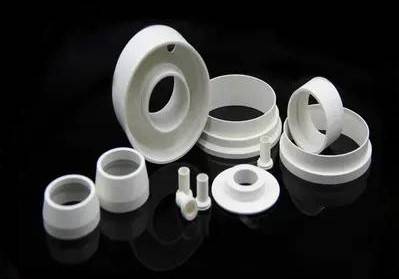
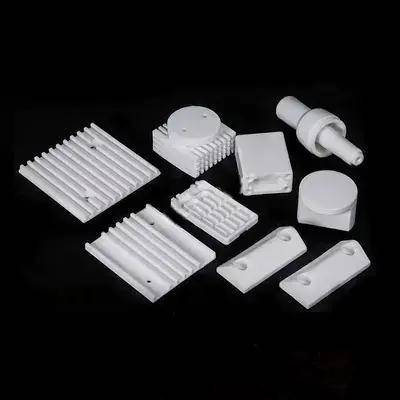
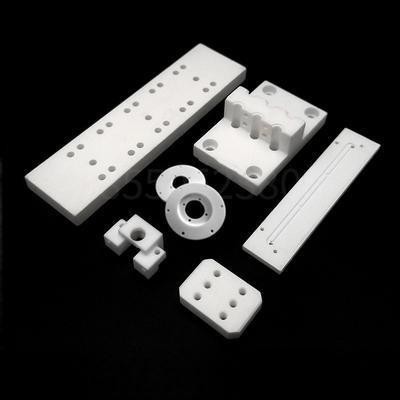
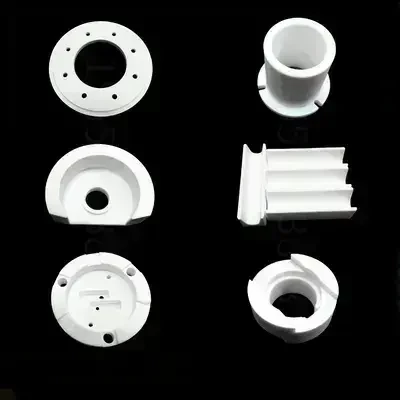
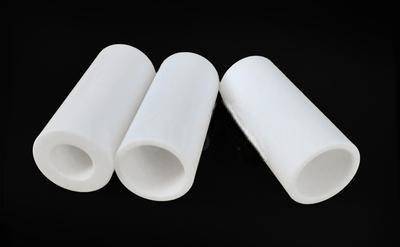
BN boron nitride ceramic parts detail 2BN boron nitride ceramic parts detail 3BN boron nitride ceramic parts detail 4BN boron nitride ceramic parts detail 5BN boron nitride ceramic parts detail 6BN boron nitride ceramic parts detail 7BN boron nitride ceramic parts detail 8BN boron nitride ceramic parts detail 9BN boron nitride ceramic parts detail 10BN boron nitride ceramic parts detail 11

The produce we show are available in different sizes and custom sizes are available on request.

Advantages

  • High thermal conductivity
  • Low thermal expansion
  • Excellent Dielectric Resistance
  • Microwave transparency
  • Easy to process
  • Low wettability to molten metal
  • Relatively high thermal conductivity and low thermal expansion
  • High thermal shock resistance compared to other ceramics
  • Extremely high operating temperature with proper inert gas protection (>3000C documented).

Trusted by Industry Leaders
Our Cooperated Clients

FAQ

What Are The Applications Of Boron Nitride Ceramic Parts?

Boron Nitride ceramic parts find applications in various industries. They are commonly used in high-temperature environments, such as in thermal management systems, crucibles, heaters, and insulators. Due to their excellent thermal conductivity, Boron Nitride ceramic parts are used as heat sinks, substrates for electronic devices, and components in high-power electronics. They are also utilized in the aerospace industry for applications requiring lightweight and high-temperature resistance, such as rocket nozzles and thermal shields. Boron Nitride ceramic parts are also used in the semiconductor industry as wafer carriers, crucibles for crystal growth, and insulators. Additionally, they find applications in the chemical industry, where their chemical inertness and resistance to corrosion make them suitable for handling corrosive materials.

What Are Advanced Ceramics?

Advanced ceramics are specialized ceramic materials with enhanced properties such as high strength, high temperature resistance, and excellent electrical conductivity. They are used in various industries due to their unique characteristics.

What Are The Main Applications Of Fine Ceramics?

Fine ceramics are used in various applications including tableware, cookware, wall tiles, and sanitaryware. They are also used in structural ceramics like bricks and roof tiles, refractories such as furnace and kiln insulation, metal crucibles, and in advanced technical ceramics for high-temperature applications.

What Are Engineering Ceramics?

Engineering ceramics are advanced ceramic materials designed for specific mechanical, thermal, electrical, and chemical properties. They are used in applications requiring high performance under extreme conditions.

What Are The Advantages Of Using Boron Nitride Ceramic Parts?

Using Boron Nitride ceramic parts offers several advantages. Firstly, their high thermal conductivity allows for efficient heat transfer, making them ideal for applications requiring heat dissipation or thermal management. Secondly, Boron Nitride ceramics exhibit excellent electrical insulation properties, making them suitable for electrical and electronic applications. They have low dielectric loss and high dielectric strength, allowing for reliable electrical insulation even at high temperatures. Additionally, Boron Nitride ceramic parts have a low coefficient of friction, providing excellent lubrication and wear resistance in applications where low friction is desired. They are also chemically inert, making them resistant to most acids, alkalis, and molten metals. Boron Nitride ceramic parts can withstand high temperatures without significant deformation or degradation, making them suitable for use in extreme environments.

What Are The Main Types Of Advanced Ceramics?

The main types of advanced ceramics include alumina (Al₂O₃), zirconia (ZrO₂), silicon carbide (SiC), silicon nitride (Si₃N₄), aluminum nitride (AlN), and boron nitride (BN). Each type has specific properties suitable for different applications.

What Are The Main Types Of Fine Ceramics?

The main types of fine ceramics include alumina (Al2O3), zirconia, boron nitride (BN), silicon carbide (SiC), and silicon nitride (SiN). Each type has unique properties suitable for different applications.

What Are The Main Types Of Engineering Ceramics?

The main types of engineering ceramics include alumina (Al₂O₃), zirconia (ZrO₂), silicon carbide (SiC), silicon nitride (Si₃N₄), and boron nitride (BN). Each type has unique properties tailored for different applications.

What Considerations Should Be Made When Selecting Boron Nitride Ceramic Parts?

Several considerations should be made when selecting Boron Nitride ceramic parts. Firstly, the specific application requirements should be evaluated, such as temperature range, electrical insulation properties, thermal conductivity, mechanical strength, and chemical resistance. This will help determine the appropriate grade or formulation of Boron Nitride ceramic to select. Secondly, the design and geometry of the ceramic part should be considered to ensure that it can be manufactured using the available processes and equipment. The dimensional tolerances and surface finish requirements should also be taken into account. Additionally, the cost and availability of the Boron Nitride ceramic parts should be considered, as different manufacturing processes and grades of Boron Nitride can vary in cost. It is advisable to consult with manufacturers or experts in the field to ensure that the selected Boron Nitride ceramic parts meet the specific application requirements.

What Are The Applications Of Advanced Ceramics?

Advanced ceramics are used in various fields such as aerospace, automotive, electronics, medical devices, and industrial machinery. They are valued for their high performance in extreme environments, including high temperatures and corrosive conditions.

What Is The Principle Behind Fine Ceramics?

Fine ceramics are made through a process involving high-temperature sintering of raw materials to form dense, strong, and durable materials. The specific properties of each type of ceramic are determined by the chemical composition and microstructure achieved during the sintering process.

What Are The Applications Of Engineering Ceramics?

Engineering ceramics are used in various industries such as aerospace, automotive, electronics, and metallurgy. Applications include wear-resistant parts, high-temperature components, electrical insulators, and heat sinks.

What Manufacturing Processes Are Used To Produce Boron Nitride Ceramic Parts?

Several manufacturing processes can be used to produce Boron Nitride ceramic parts. The most common methods include hot pressing, hot isostatic pressing (HIP), and slip casting. Hot pressing involves compacting Boron Nitride powders under high pressure and temperature to form a dense ceramic. HIP involves subjecting the Boron Nitride powder compact to high temperature and pressure in an inert gas environment to achieve even higher density and eliminate any remaining porosity. Slip casting involves forming a slurry of Boron Nitride powder and a binder, pouring it into a mold, and then drying and firing the green body to produce the final ceramic part. Other processes, such as extrusion, injection molding, or machining, may be used for shaping and finishing the Boron Nitride ceramic parts, depending on the desired geometry and specifications.

How Are Advanced Ceramics Manufactured?

Advanced ceramics are typically manufactured through processes like sintering, hot pressing, or isostatic pressing. These methods ensure the formation of a dense, uniform structure with desired mechanical and thermal properties.

What Are The Advantages Of Using Fine Ceramics?

Fine ceramics offer several advantages including high temperature resistance, excellent electrical insulation, high hardness, wear resistance, chemical resistance, and low thermal expansion. These properties make them ideal for use in extreme environments and for specialized applications.

How Do Engineering Ceramics Differ From Traditional Ceramics?

Engineering ceramics are designed for specific high-performance applications, offering superior mechanical strength, thermal resistance, and chemical stability. Traditional ceramics are more commonly used for decorative and household purposes.

What Are The Advantages Of Using Advanced Ceramics?

The advantages of advanced ceramics include high hardness, wear resistance, excellent thermal and electrical insulation, high temperature resistance, and chemical stability. These properties make them ideal for demanding applications.

What Are The Advantages Of Using Alumina Ceramics?

Alumina ceramics are known for their high hardness, wear resistance, and excellent electrical insulation. They also have good thermal conductivity and chemical stability, making them suitable for high-temperature applications.

What Is The Difference Between Alumina And Zirconia Ceramics?

Alumina ceramics are known for their good electrical conductivity, mechanical strength, and high temperature resistance. Zirconia ceramics, on the other hand, are valued for their high strength, high toughness, and excellent wear resistance.

Why Are Zirconia Ceramics Preferred In Certain Applications?

Zirconia ceramics are preferred for their high strength, toughness, and thermal shock resistance. They are often used in applications requiring durability and reliability under high stress and temperature conditions.

Why Are Silicon Carbide Ceramics Used In High-temperature Applications?

Silicon carbide (SiC) ceramics are used in high-temperature applications due to their high-strength, low-density, and excellent resistance to high temperatures. They are also resistant to chemical corrosion, making them suitable for harsh environments.

What Makes Silicon Carbide Ceramics Suitable For High-temperature Applications?

Silicon carbide ceramics have excellent thermal conductivity and high-temperature stability, making them ideal for applications in furnaces, heat exchangers, and other high-temperature environments.

What Makes Boron Nitride Ceramics Unique?

Boron nitride (BN) ceramics are unique due to their high melting point, high hardness, high thermal conductivity, and high electrical resistivity. Their crystal structure is similar to graphene and harder than diamond, making them suitable for high-performance applications.

How Are Boron Nitride Ceramics Used In Electronics?

Boron nitride ceramics are used in electronics for their excellent electrical insulation and thermal conductivity. They help in dissipating heat from electronic components, preventing overheating and improving performance.

How Do Advanced Ceramics Contribute To Energy Efficiency?

Advanced ceramics contribute to energy efficiency by providing materials that can withstand high temperatures and corrosive environments in energy production and conversion processes. They help in reducing energy losses and improving the overall efficiency of systems.

What Is The Manufacturing Process Of Engineering Ceramics?

Engineering ceramics are typically manufactured through processes like sintering, hot pressing, or chemical vapor deposition. These processes ensure the formation of dense, strong, and durable ceramic materials.

Can Engineering Ceramics Be Customized For Specific Applications?

Yes, engineering ceramics can be customized to meet specific application requirements. This includes tailoring their shape, size, and material composition to achieve desired mechanical, thermal, or electrical properties.
View more faqs for this product

Product Datasheet

Advanced Engineering Fine Ceramics Boron Nitride (BN) Ceramic Parts

Category Catalog

Fine Ceramics


REQUEST A QUOTE

Our professional team will reply to you within one business day. Please feel free to contact us!

Related Products
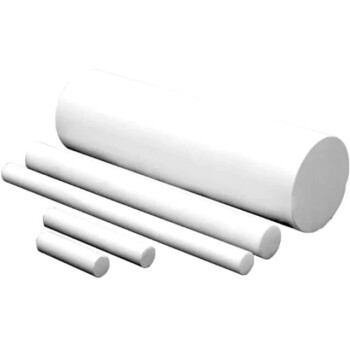
Boron Nitride (BN) Ceramic Rod for High Temperature Applications

Boron Nitride (BN) Ceramic Rod for High Temperature Applications

Boron nitride (BN) rod is the strongest boron nitride crystal form like graphite, which has excellent electrical insulation, chemical stability and dielectric properties.
View Details
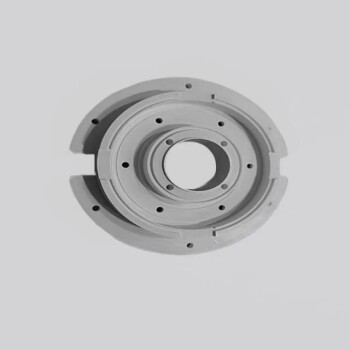
Custom Boron Nitride (BN) Ceramic Parts

Custom Boron Nitride (BN) Ceramic Parts

Boron nitride (BN) ceramics can have different shapes, so they can be manufactured to generate high temperature, high pressure, insulation and heat dissipation to avoid neutron radiation.
View Details
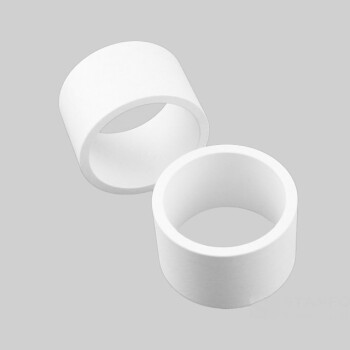
Boron Nitride (BN) Ceramic Tube

Boron Nitride (BN) Ceramic Tube

Boron nitride (BN) is known for its high thermal stability, excellent electrical insulating properties and lubricating properties.
View Details
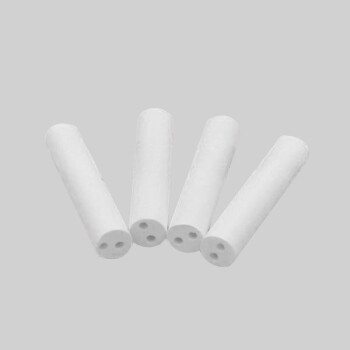
Boron Nitride (BN) Ceramic Plate

Boron Nitride (BN) Ceramic Plate

Boron nitride (BN) ceramic plates do not use aluminum water to wet, and can provide comprehensive protection for the surface of materials that directly contact molten aluminum, magnesium, zinc alloys and their slag.
View Details
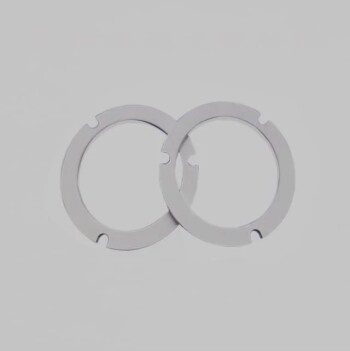
Hexagonal Boron Nitride HBN Ceramic Ring

Hexagonal Boron Nitride HBN Ceramic Ring

Boron nitride ceramic (BN) rings are commonly used in high temperature applications such as furnace fixtures, heat exchangers and semiconductor processing.
View Details
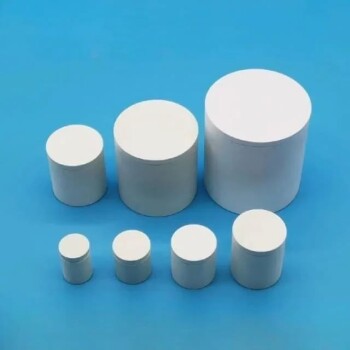
Boron Nitride (BN) Crucible for Phosphorous Powder Sintered

Boron Nitride (BN) Crucible for Phosphorous Powder Sintered

Phosphorus powder sintered boron nitride (BN) crucible has a smooth surface, dense, pollution-free and long service life.
View Details
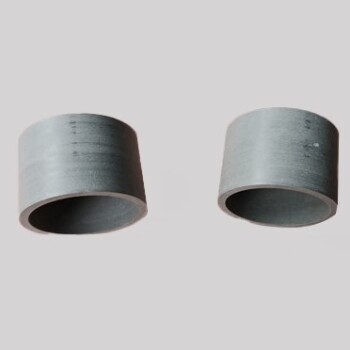
Hexagonal Boron Nitride HBN Thermocouple Protection Tube

Hexagonal Boron Nitride HBN Thermocouple Protection Tube

Hexagonal boron nitride ceramics is an emerging industrial material. Because of its similar structure to graphite and many similarities in performance, it is also called "white graphite".
View Details
Conductive Boron Nitride BN Ceramics Composite for Advanced Applications

Conductive Boron Nitride BN Ceramics Composite for Advanced Applications

Due to the characteristics of boron nitride itself, the dielectric constant and dielectric loss are very small, so it is an ideal electrical insulating material.
View Details
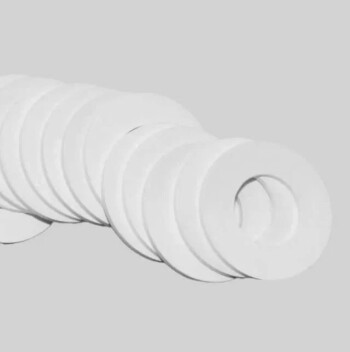
Hexagonal Boron Nitride HBN Spacer Cam Profile and Various Spacer Types

Hexagonal Boron Nitride HBN Spacer Cam Profile and Various Spacer Types

Hexagonal boron nitride (HBN) gaskets are made from hot-pressed boron nitride blanks. Mechanical properties similar to graphite, but with excellent electrical resistance.
View Details
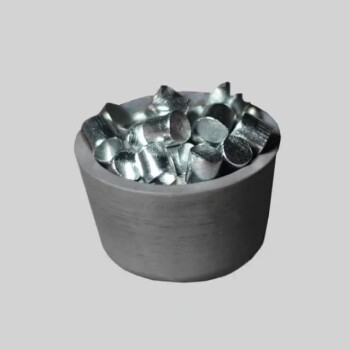
Electron Beam Evaporation Coating Conductive Boron Nitride Crucible BN Crucible

Electron Beam Evaporation Coating Conductive Boron Nitride Crucible BN Crucible

High-purity and smooth conductive boron nitride crucible for electron beam evaporation coating, with high temperature and thermal cycling performance.
View Details
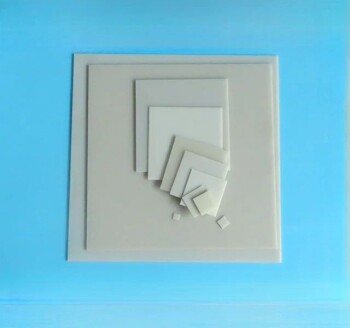
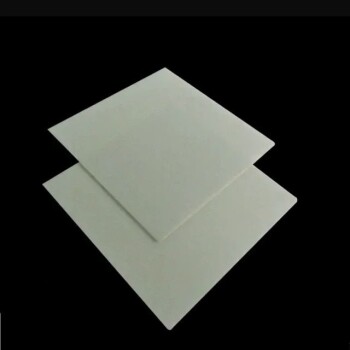
Advanced Engineering Fine Ceramics Aluminum Nitride (AlN) Ceramic Sheet

Advanced Engineering Fine Ceramics Aluminum Nitride (AlN) Ceramic Sheet

Aluminum nitride (AlN) has the characteristics of good compatibility with silicon. It is not only used as a sintering aid or reinforcing phase for structural ceramics, but its performance far exceeds that of alumina.
View Details
Precision Machined Silicon Nitride (SiN) Ceramic Sheet for Engineering Advanced Fine Ceramics

Precision Machined Silicon Nitride (SiN) Ceramic Sheet for Engineering Advanced Fine Ceramics

Silicon nitride plate is a commonly used ceramic material in the metallurgical industry due to its uniform performance at high temperatures.
View Details
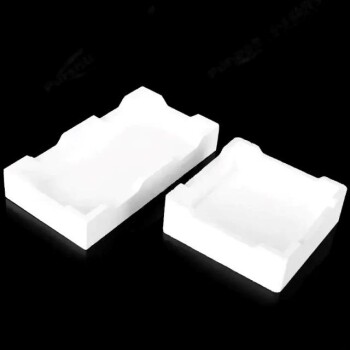
Advanced Engineering Fine Ceramics Alumina Ceramic Saggar for Fine Corundum

Advanced Engineering Fine Ceramics Alumina Ceramic Saggar for Fine Corundum

Alumina sagger products have the characteristics of high temperature resistance, good thermal shock stability, small expansion coefficient, anti-stripping, and good anti-powdering performance.

View Details
Alumina Al2O3 Ceramic Crucible Semicircle Boat with Lid for Engineering Advanced Fine Ceramics

Alumina Al2O3 Ceramic Crucible Semicircle Boat with Lid for Engineering Advanced Fine Ceramics

Crucibles are containers widely used for melting and processing various materials, and semicircular boat-shaped crucibles are suitable for special smelting and processing requirements. Their types and uses vary by material and shape.
View Details
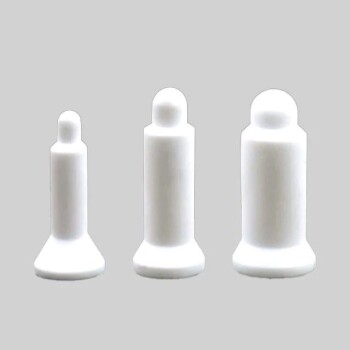
Engineering Advanced Fine Alumina (Al₂O₃) Ceramic Positioning Pin Straight Bevel for Precision Applications

Engineering Advanced Fine Alumina (Al₂O₃) Ceramic Positioning Pin Straight Bevel for Precision Applications

Alumina ceramic positioning pin has the characteristics of high hardness, wear resistance and high temperature resistance.

View Details
Engineering Advanced Fine Ceramics Alumina Al2O3 Crucible With Lid Cylindrical Laboratory Crucible

Engineering Advanced Fine Ceramics Alumina Al2O3 Crucible With Lid Cylindrical Laboratory Crucible

Cylindrical Crucibles Cylindrical crucibles are one of the most common crucible shapes, suitable for melting and processing a wide variety of materials, and are easy to handle and clean.
View Details
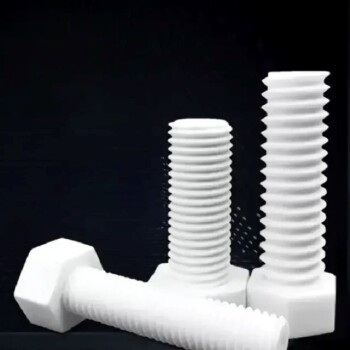
High Quality Alumina Ceramic Screw for Engineering Advanced Fine Ceramics with High Temperature Resistance and Insulation

High Quality Alumina Ceramic Screw for Engineering Advanced Fine Ceramics with High Temperature Resistance and Insulation

Alumina ceramic screws are fastening components made of 99.5% alumina, ideal for extreme applications requiring excellent thermal resistance, electrical insulation and chemical resistance.

View Details
Ceramic Evaporation Boat Set Alumina Crucible for Laboratory Use

Ceramic Evaporation Boat Set Alumina Crucible for Laboratory Use

It can be used for vapor deposition of various metals and alloys. Most metals can be evaporated completely without loss. Evaporation baskets are reusable.1
View Details
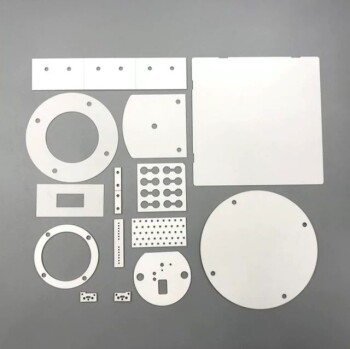
Custom-Made Alumina Zirconia Special-Shaped Ceramic Plates for Engineering Advanced Fine Ceramics Processing

Custom-Made Alumina Zirconia Special-Shaped Ceramic Plates for Engineering Advanced Fine Ceramics Processing

Alumina ceramics have good electrical conductivity, mechanical strength and high temperature resistance, while zirconia ceramics are known for their high strength and high toughness and are widely used.
View Details
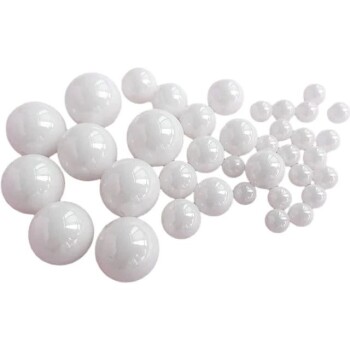
Precision Machined Zirconia Ceramic Ball for Engineering Advanced Fine Ceramics

Precision Machined Zirconia Ceramic Ball for Engineering Advanced Fine Ceramics

zirconia ceramic ball have the characteristics of high strength, high hardness, PPM wear level, high fracture toughness, good wear resistance, and high specific gravity.

View Details