Electrochemical Consumables
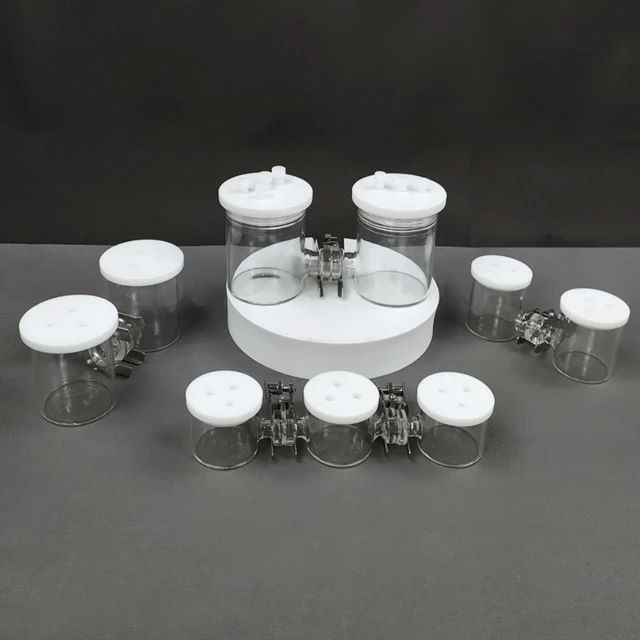
H Type Electrolytic Cell Triple Electrochemical Cell
Item Number : ELCH
Price varies based on specs and customizations
$69.90 - $599.90 / set
- Specification
- 30ml~ 500ml
- Applicable temperature range
- 0 ~ 60℃
- Material
- Boron glass + PTFE

Shipping:
Contact us to get shipping details Enjoy On-time Dispatch Guarantee.
Why Choose Us
Easy ordering process, quality products, and dedicated support for your business success.
Introduction
An electrolytic cell is an electrochemical cell that uses electrical energy to drive a non-spontaneous redox reaction. It consists of an electrolyte and two electrodes (a cathode and an anode). When an external voltage is supplied to the electrodes, the ions in the electrolyte are attracted to an electrode with the opposite charge, allowing charge-transferring (also known as faradaic or redox) events to occur. The negative electrode is called the cathode and the positive electrode is called the anode. Oxidation occurs at the anode, and reduction occurs at the cathode.
The electrochemical H-type electrolytic cell can be configured with membrane or non-membrane sealing in two, three, or hybrid configurations, with three electrodes in the H-type electrolytic cell.
Technical specifications
Double H type electrolytic cell
| Specification | 30ml~ 500ml |
|---|---|
| Applicable temperature range | 0 ~ 60℃ |
| Applicable membrane area | 15mm (can be customized) |
| Material | Boron glass + PTFE |
| Electrolytic cell punching | Three electrode holes (6mm) Four gas (3mm) can be customized opening |
Triple H type electrolytic cell
| Specification | 30ml~ 500ml |
|---|---|
| Applicable temperature range | 0 ~ 60℃ |
| Applicable membrane area | 0.5cm2/1cm2 |
| Material | Boron glass + PTFE |
| Electrolytic cell punching | Three electrode holes (6mm) Six air holes (3mm) can be customized |
Detail & Parts

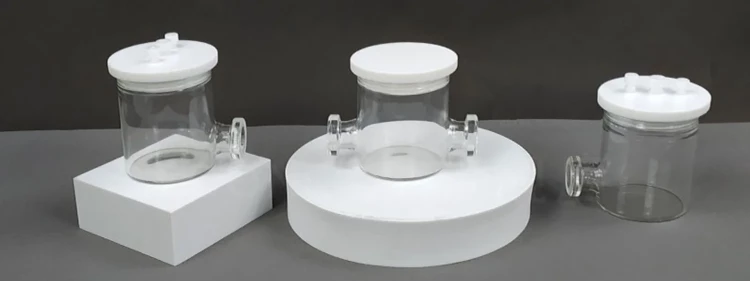
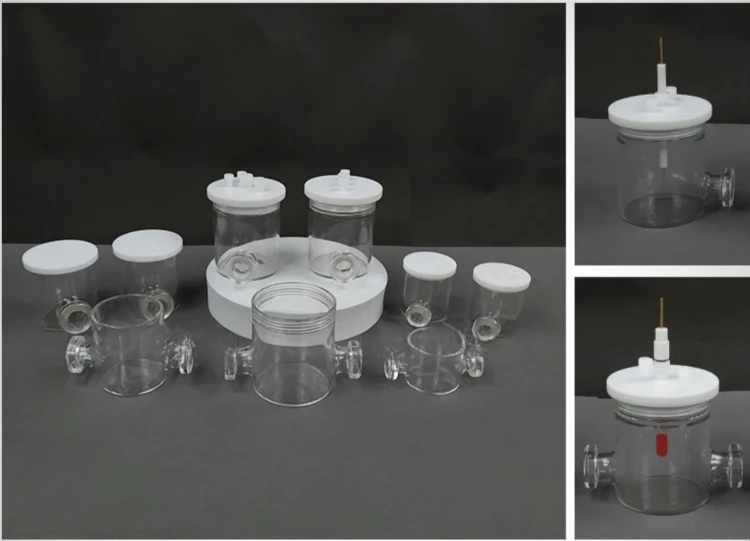
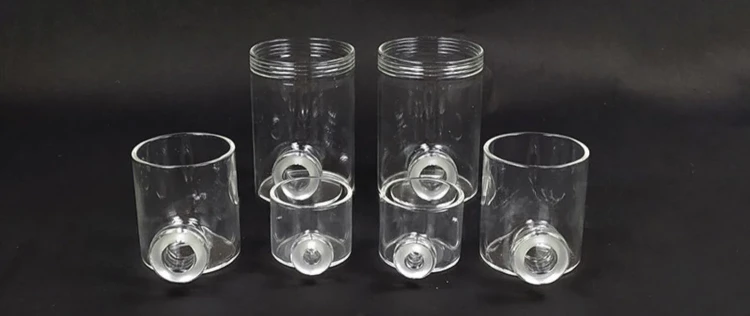
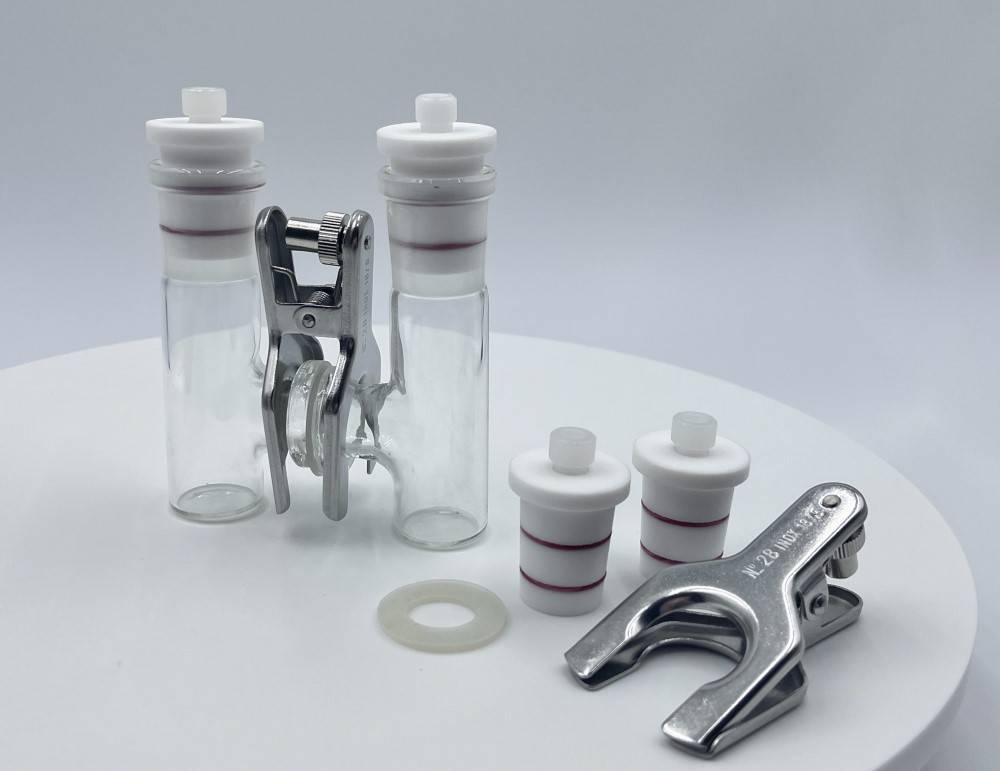
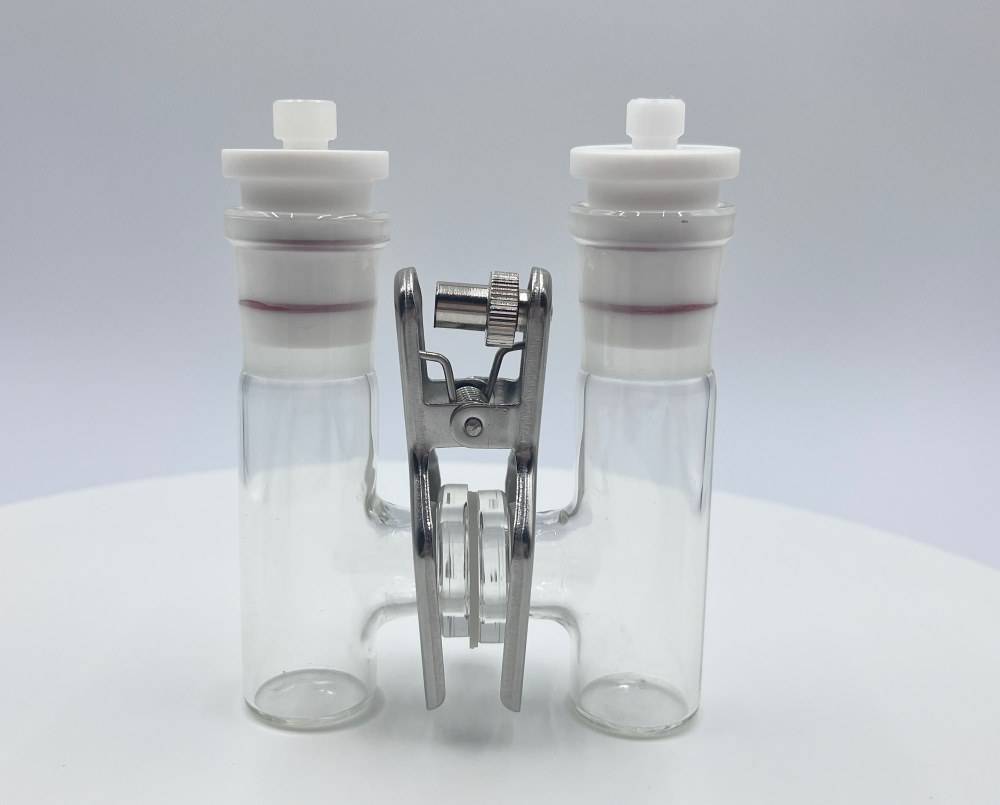
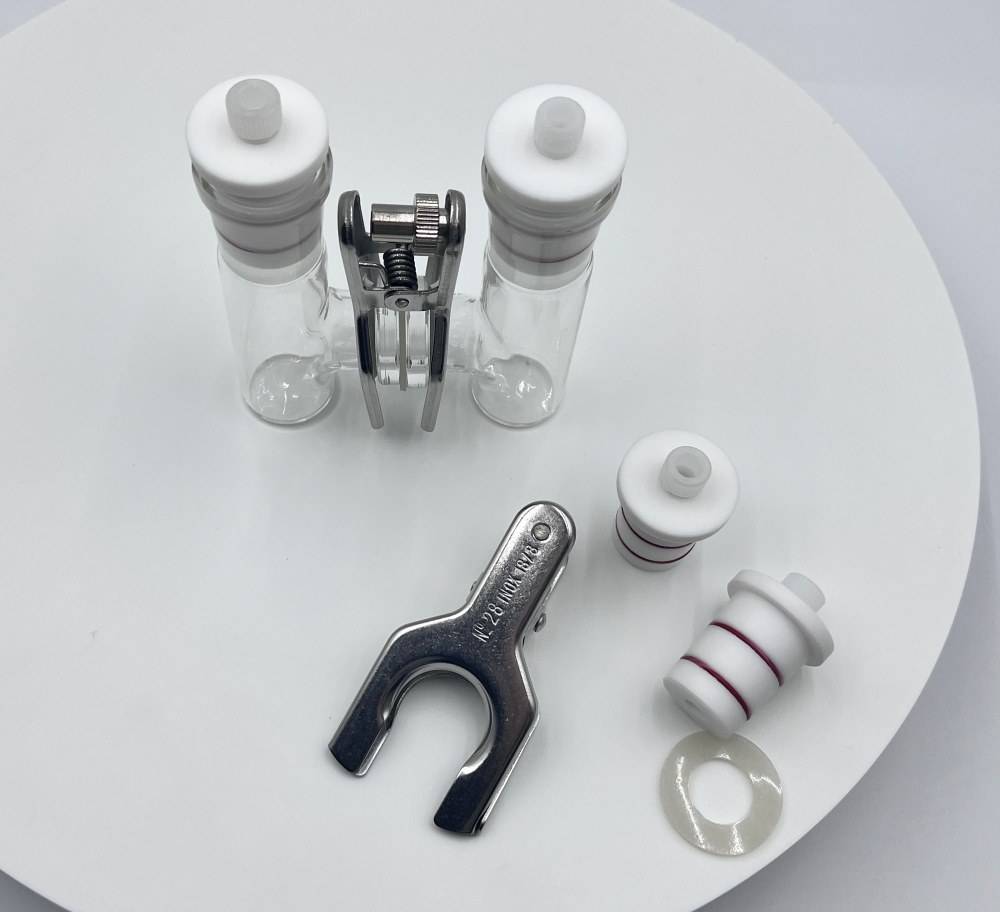
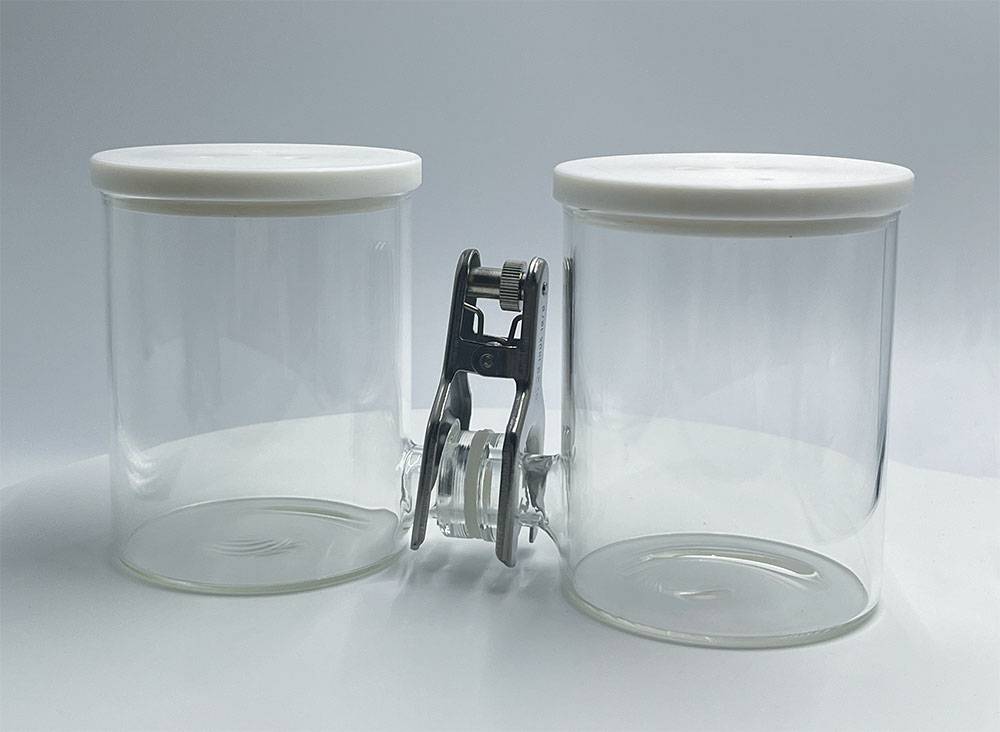
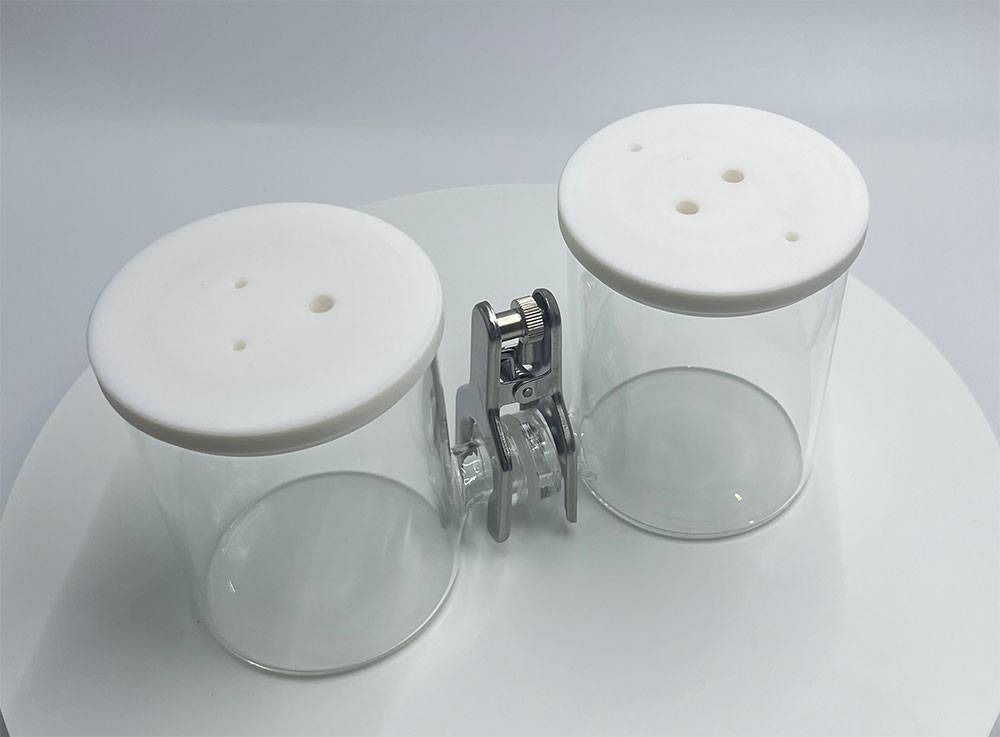
H-shaped sealed electrolytic cell structure

H-shaped unsealed electrolytic cell structure

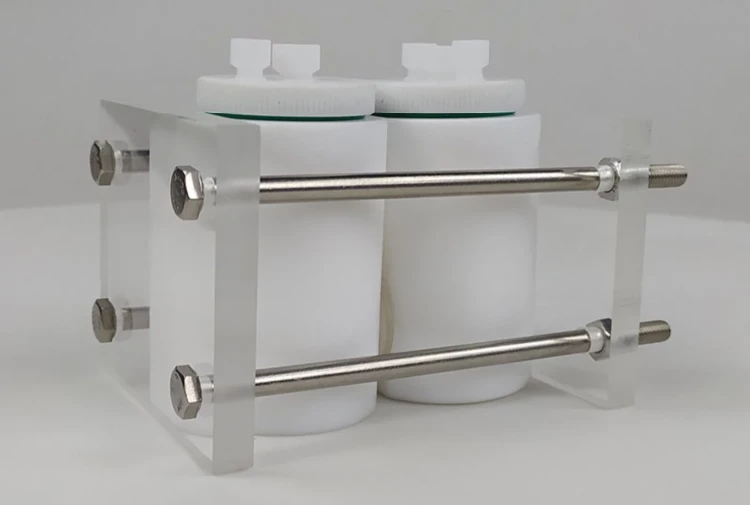
PTFE type details





Operating steps
H type sealed electrolytic cell

1. The electrolytic cell, which is sealed, is comprised of a sealing rubber ring, a sealing plug, a polytetrafluoroethylene cover, and a cell body.
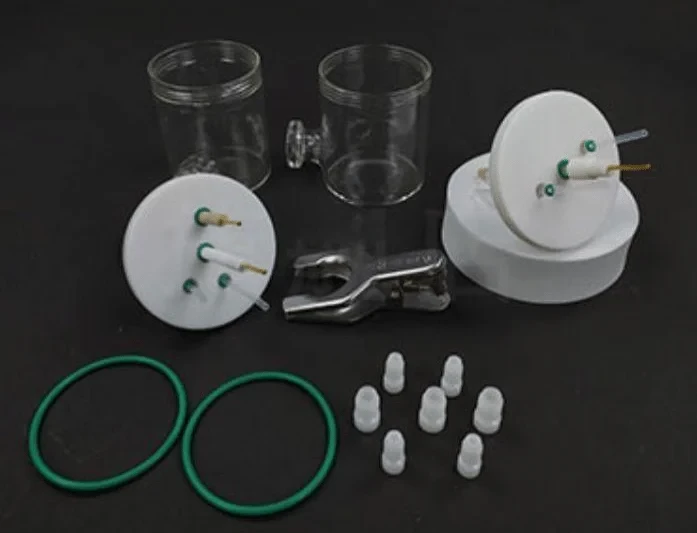
2. To install, insert the electrode and gas pipe into the electrolytic cell, and then install the sealing ring.

3. Next, install the sealing nut onto the electrode and attach the air hole, then squeeze the sealing ring and tighten the nut.

4. After that, place the cell seal onto the cell body.
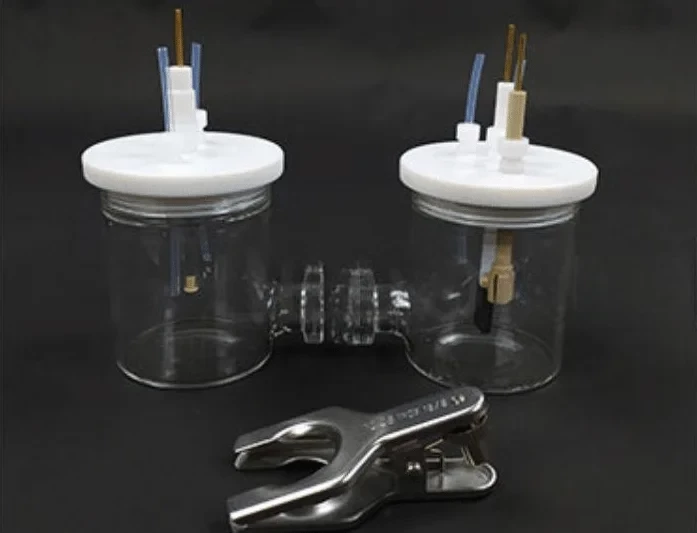
5. Finally, secure the cover in place.

6. The installation process is complete (the triple version is commonly used).
H type unsealed electrolytic cell

1. Install the sealing nut onto the electrode and attach the air hole, then squeeze the sealing ring and tightly rotate the nut.

2. Place the cell seal onto the cell body.

3. Securely fasten the cover.

4. The installation process is now complete (the triple version follows the same steps).
Application

Designed for You
KinTek provide deep custom made service and equipment to worldwide customers, our specialized teamwork and rich experienced engineers are capable to undertake the custom tailoring hardware and software equipment requirements, and help our customer to build up the exclusive and personalized equipment and solution!
Would you please drop your ideas to us, our engineers are ready for you now!
Trusted by Industry Leaders

FAQ
The Difference Between H-type Sealed Electrolytic Cells And Unsealed Electrolytic Cells——Use Difference
The Difference Between H-type Sealed Electrolytic Cells And Unsealed Electrolytic Cells——Appearance Difference
What Is The H Type Of Electrochemical Cell?
What Is The Function Of Auxiliary Electrode?
What Is H-cell Used For?
What Is The Difference Between Auxiliary And Reference Electrode?
What Is The H Type Microbial Fuel Cell?
What Materials Are Commonly Used For Auxiliary Electrodes?
How Many Types Of Electrolytic Cells Are There?
How Do Auxiliary Electrodes Affect The Performance Of An Electrochemical Cell?
What Is The H Cell For Hydrogen Permeation Experiments?
Why Are Auxiliary Electrodes Necessary In Electrochemical Systems?
Are There Any Limitations Or Considerations When Using Auxiliary Electrodes?
REQUEST A QUOTE
Our professional team will reply to you within one business day. Please feel free to contact us!
Related Products
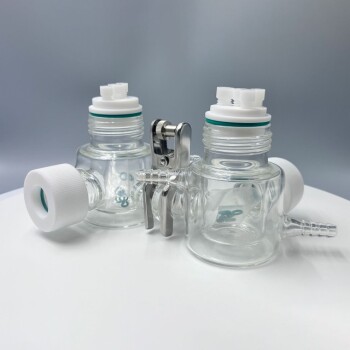
H-Type Double-Layer Optical Electrolytic Electrochemical Cell with Water Bath
Double-layer H-type optical water bath electrolytic cells, with excellent corrosion resistance and a wide range of specifications available. Customization options are also available.

PTFE Electrolytic Cell Electrochemical Cell Corrosion-Resistant Sealed and Non-Sealed
Choose our PTFE Electrolytic Cell for reliable, corrosion-resistant performance. Customize specifications with optional sealing. Explore now.
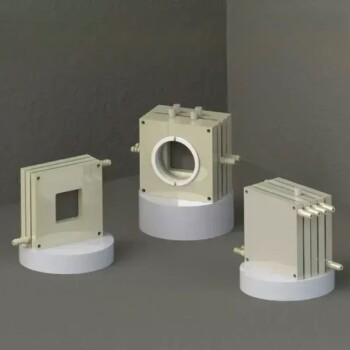
Electrolytic Electrochemical Cell Gas Diffusion Liquid Flow Reaction Cell
Looking for a high-quality gas diffusion electrolysis cell? Our liquid flow reaction cell boasts exceptional corrosion resistance and complete specifications, with customizable options available to suit your needs. Contact us today!

Quartz Electrolytic Electrochemical Cell for Electrochemical Experiments
Looking for a reliable quartz electrochemical cell? Our product boasts excellent corrosion resistance and complete specifications. With high-quality materials and good sealing, it's both safe and durable. Customize to meet your needs.

Super Sealed Electrolytic Electrochemical Cell
Super-sealed electrolytic cell offers enhanced sealing capabilities, making it ideal for experiments that require high airtightness.

Electrolytic Electrochemical Cell for Coating Evaluation
Looking for corrosion-resistant coating evaluation electrolytic cells for electrochemical experiments? Our cells boast complete specifications, good sealing, high-quality materials, safety, and durability. Plus, they're easily customizable to meet your needs.
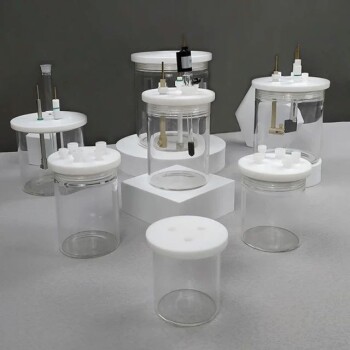
Electrolytic Electrochemical Cell with Five-Port
Streamline your laboratory consumables with Kintek's Electrolytic Cell with five-port design. Choose from sealed and non-sealed options with customizable electrodes. Order now.
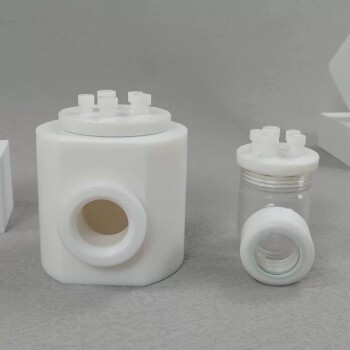
Side Window Optical Electrolytic Electrochemical Cell
Experience reliable and efficient electrochemical experiments with a side window optical electrolytic cell. Boasting corrosion resistance and complete specifications, this cell is customizable and built to last.
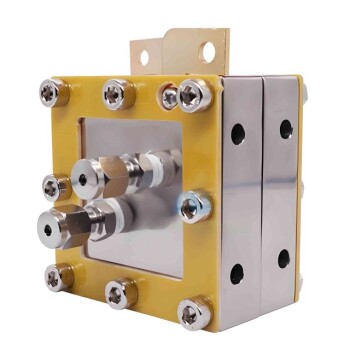
Customizable PEM Electrolysis Cells for Diverse Research Applications
Custom PEM test cell for electrochemical research. Durable, versatile, for fuel cells & CO2 reduction. Fully customizable. Get a quote!
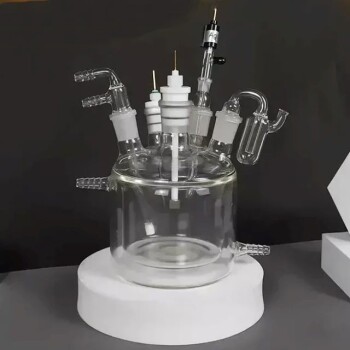
Double Layer Five-Port Water Bath Electrolytic Electrochemical Cell
Experience optimal performance with our Water Bath Electrolytic Cell. Our double-layer, five-port design boasts corrosion resistance and longevity. Customizable to fit your specific needs. View specs now.

Optical Water Bath Electrolytic Electrochemical Cell
Upgrade your electrolytic experiments with our Optical Water Bath. With controllable temperature and excellent corrosion resistance, it's customizable for your specific needs. Discover our complete specifications today.
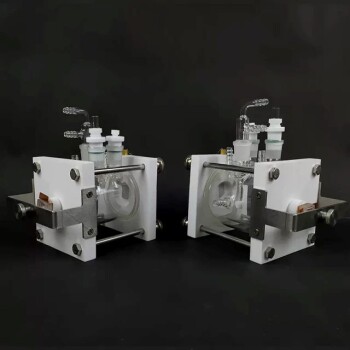
Flat Corrosion Electrolytic Electrochemical Cell
Discover our flat corrosion electrolytic cell for electrochemical experiments. With exceptional corrosion resistance and complete specifications, our cell guarantees optimal performance. Our high-quality materials and good sealing ensure a safe and durable product, and customization options are available.
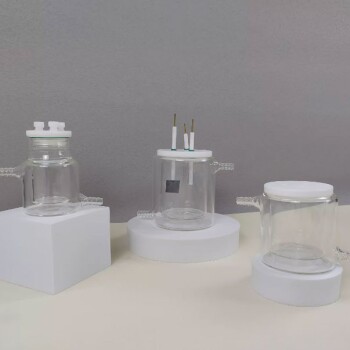
Double-Layer Water Bath Electrolytic Electrochemical Cell
Discover the temperature-controllable electrolytic cell with a double-layer water bath, corrosion resistance, and customization options. Complete specifications included.

Multifunctional Electrolytic Electrochemical Cell Water Bath Single Layer Double Layer
Discover our high-quality Multifunctional Electrolytic Cell Water Baths. Choose from single or double-layer options with superior corrosion resistance. Available in 30ml to 1000ml sizes.
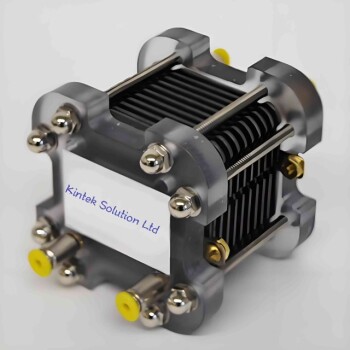
FS Electrochemical Hydrogen Fuel Cells for Diverse Applications
KINTEK's FS Electrochemical Cell: Modular PEM fuel cell stack for R&D and training. Acid-resistant, scalable, and customizable for reliable performance.
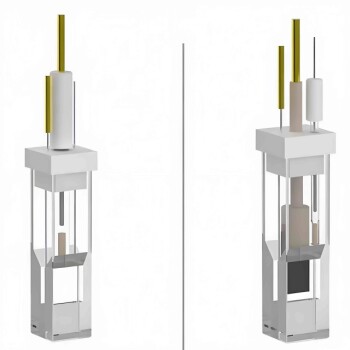
Thin-Layer Spectral Electrolysis Electrochemical Cell
Discover the benefits of our thin-layer spectral electrolysis cell. Corrosion-resistant, complete specifications, and customizable for your needs.
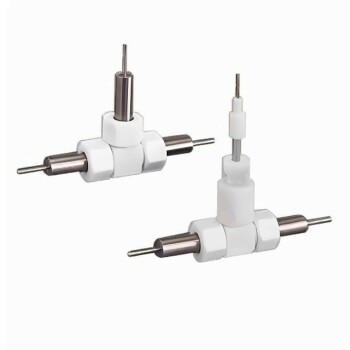
Customizable Swagelok Type Test Cells for Advanced Battery Research Electrochemical Analysis
The KINTEK Swagelok-type test cell is a modular, T-shaped device constructed from high-quality, chemically inert materials.

Sample Support Body for Electrochemical Tests
Improve your electrochemical tests with our Sample Support Body. High-quality and reliable for accurate results. Upgrade your research today.
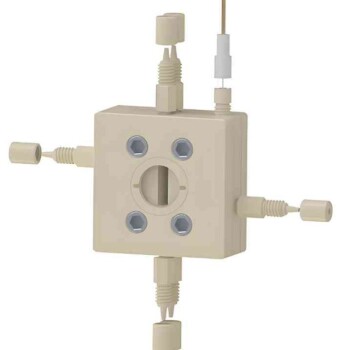
Customizable CO2 Reduction Flow Cell for NRR ORR and CO2RR Research
The cell is meticulously crafted from high-quality materials to ensure chemical stability and experimental accuracy.
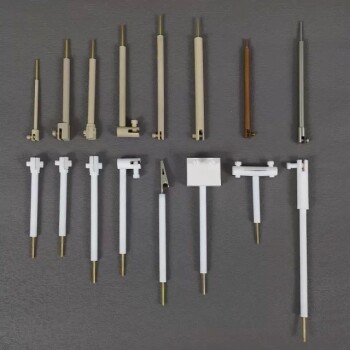
Electrode Fixture for Electrochemical Experiments
Upgrade your experiments with our customizable Electrode Fixtures. High-quality materials, acid and alkali resistant, and safe and durable. Discover our complete models today.
Related Articles
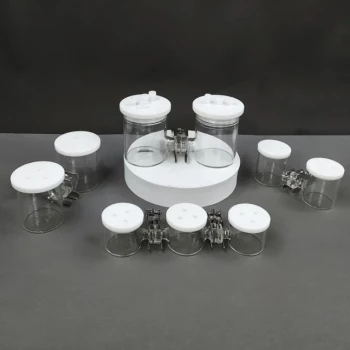
Overcoming Challenges with H-Type Electrolytic Cell Operation
Understanding the components and operation of the H-type electrolytic cell is crucial in producing high-quality chemicals and overcoming the challenges that come with its operation.
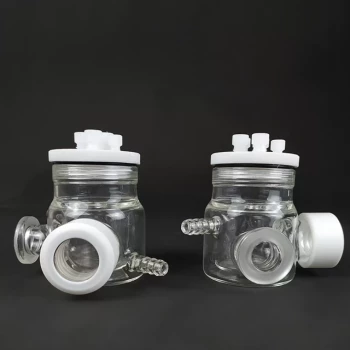
Applications of H-Type Electrolytic Cell in Metal Extraction
H-type electrolytic cells uses an electrolyte solution to dissolve the metal ions and an electric current to separate the metal ions from the solution.
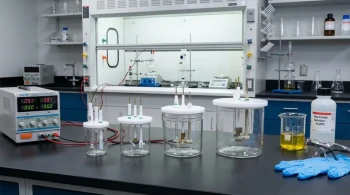
The Glass Heart of the Experiment: Mastering the Electrolytic Cell
Master the art of handling electrolytic cells. Learn the critical balance between physical fragility, chemical safety, and operational precision.

The Silent Volatility: Mastering the Art and Safety of Electrolytic Cells
Electrolytic cell safety requires more than just PPE. It demands a systemic approach to managing invisible chemical, electrical, and physical hazards.
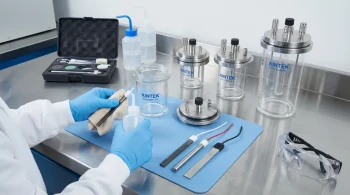
The Architecture of Precision: Mastering Electrolytic Cell Maintenance
Reliable data starts with disciplined maintenance. Discover the psychological and technical approach to preserving electrolytic cells for peak performance.
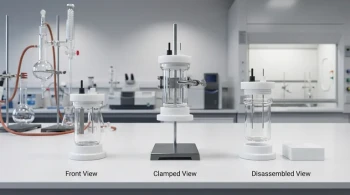
The Silent Partner: Why Material Choice in Electrochemistry is a Matter of Trust
Discover why high borosilicate glass and PTFE are the non-negotiable standards for electrolytic cells. A deep dive into material science for precise data.

The Art of Resistance: Why Your Electrolytic Cell Needs Breathing Room
Short circuits in electrolytic cells aren't just accidents; they are geometry failures. Learn how to control the electrical path and protect your lab equipment.

The Silent Geometry of Voltage: Respecting the Limits of Electrolysis
Electrolysis relies on strict electrical boundaries. Learn why exceeding rated current and voltage isn't just inefficient—it's destructive.
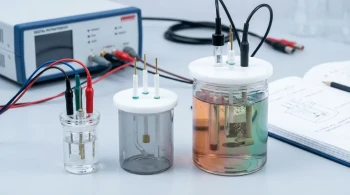
The Geometry of Precision: Why Cell Volume Defines Your Data
It’s not just about capacity. Discover how electrolytic cell volume—from 8ml to 100ml—dictates the stability, cost, and accuracy of your coating evaluation.
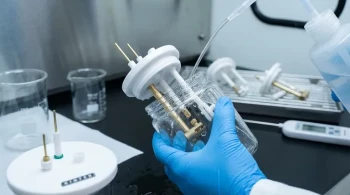
The Invisible Variable: Mastering the Art of Electrolytic Cell Integrity
Data reliability relies on more than just theory. Discover the systematic maintenance protocol—pre-check, monitoring, and cleaning—that guarantees precision.
The Architecture of Precision: Why Your Electrolytic Cell Specs Matter More Than You Think
Discover the critical logic behind electrolytic cell specifications. From aperture geometry to volume trade-offs, learn how the right vessel defines experimental success.
The Silent Variable: Engineering Reliability in Electrolytic Cells
Data accuracy depends on equipment integrity. Learn the engineering protocols for maintaining electrolytic cells to prevent systemic error.