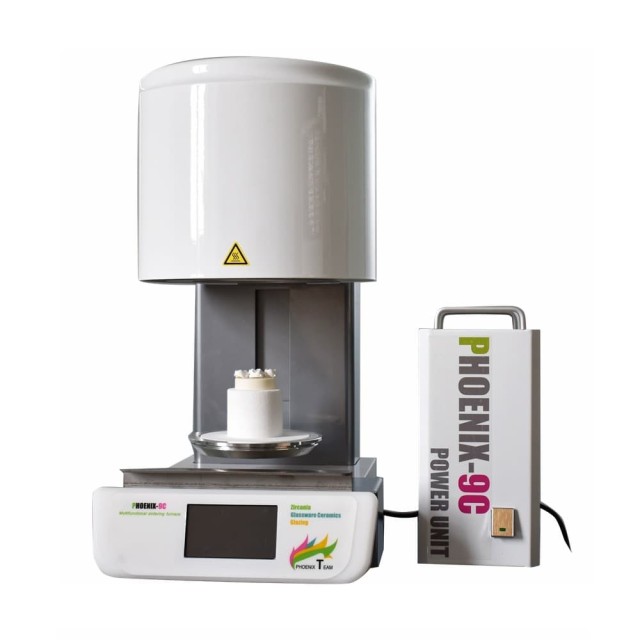
Dental Furnace
Dental Porcelain Zirconia Sintering Ceramic Furnace Chairside with Transformer
Item Number : KT-DS10
Price varies based on specs and customizations
- Max temperature
- 1530℃
- Max temperature holding time
- 2 hours
- Rated output power
- max 1500w

Shipping:
Contact us to get shipping details Enjoy On-time Dispatch Guarantee.
Why Choose Us
Easy ordering process, quality products, and dedicated support for your business success.
Feature
- High quality automatic temperature regulation function ensures that the actual temperature error is within+/- 1.5 °.
- It is easy to operate and compact. At present, it is one top small chair side sintering furnaces in the world.
- Precision stepping motor drive, smooth and free operation without jitter.
- High purity silicon carbide SiC heaters, metal pollution free.
- Hyperbolic sintering system, automatic temperature calibration before each baking procedure.
- The pallet has no noise and the speed is programmable.
- Rapid sintering of fully anatomized zirconia.
- Pre drying time can be set.
- The maximum temperature can be set to 1530 ℃.
- Quick glazing is completed in 9 minutes.
- The maximum heating rate is 200 degrees per minute.
- Start and use immediately without preheating in advance.
- Automatic rapid cooling technology.
- Up to 4-10 restorations (60mm pallet) can be sintered.
- Real color touch screen, easy to operate.
- 90 customized programs and built-in programs.
- Status indication and error alarm by sound.
Detail & Parts


Technical specifications
| Heating speed | 200℃/min max. (392°F /minute) |
| Max temperature | 1530℃ |
| Max temperature holding time | 2 hours |
| Electric power supply | 100-120V 50/60HZ 230V 50/60HZ |
| Rated current | 14.5ampere@110V 7.0ampere@230V |
| Rated output power | max 1500w |
| Dimension | H27cm x W36cm x D56cm |
| Firing chamber diameter | 9cm(3.5") |
| Net weight | 20Kg |
| Weight with package | 25.5Kg |
Ambient conditions
- Indoor use
- Ambient temperature: 2°C to 40°C
- Relative humidity 80% at 31°C
- Maximum altitude: 1500 m (Special Model:3500m)
- Rated voltage fluctuations must not exceed plus/minus 10% of the rated voltage
Standard packing
- 1 Furnace
- 1 firing pan
- 1 connection cable for the mains power supply
- 1 instructions
- 1 Burning rack
Warnings
Operator safety is the top important issue! Please operate the equipment with cautions. Working with inflammable& explosive or toxic gases is very dangerous, operators must take all necessary precautions before starting the equipment. Working with positive pressure inside the reactors or chambers is dangerous, operator must fellow the safety procedures strictly. Extra caution must also be taken when operating with air-reactive materials, especially under vacuum. A leak can draw air into the apparatus and cause a violent reaction to occur.
Designed for You
KinTek provide deep custom made service and equipment to worldwide customers, our specialized teamwork and rich experienced engineers are capable to undertake the custom tailoring hardware and software equipment requirements, and help our customer to build up the exclusive and personalized equipment and solution!
Would you please drop your ideas to us, our engineers are ready for you now!
Trusted by Industry Leaders
FAQ
What Is Dental Furnaces?
What Are The Different Types Of Dental Furnaces?
What Is The Temperature Of A Dental Furnace?
What Is The Use Of Porcelain Furnace?
REQUEST A QUOTE
Our professional team will reply to you within one business day. Please feel free to contact us!
Related Products

Dental Porcelain Zirconia Sintering Ceramic Vacuum Press Furnace
Get precise dental results with Dental Vacuum Press Furnace. Automatic temperature calibration, low noise tray, and touch screen operation. Order now!

Vacuum Dental Porcelain Sintering Furnace
Get precise and reliable results with KinTek's Vacuum Porcelain Furnace. Suitable for all porcelain powders, it features hyperbolic ceramic furnace function, voice prompt, and automatic temperature calibration.

High Temperature Muffle Oven Furnace for Laboratory Debinding and Pre Sintering
KT-MD High temperature debinding and pre-sintering furnace for ceramic materials with various molding processes. Ideal for electronic components such as MLCC and NFC.
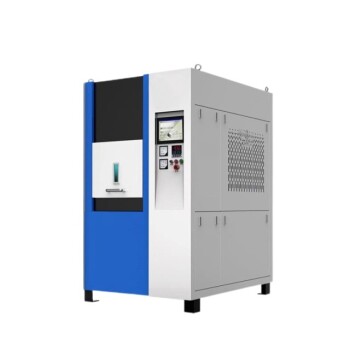
Spark Plasma Sintering Furnace SPS Furnace
Discover the benefits of Spark Plasma Sintering Furnaces for rapid, low-temperature material preparation. Uniform heating, low cost & eco-friendly.

Vacuum Heat Treat and Sintering Furnace with 9MPa Air Pressure
The air pressure sintering furnace is a high-tech equipment commonly used for the sintering of advanced ceramic materials. It combines vacuum sintering and pressure sintering techniques to achieve high-density and high-strength ceramics.

600T Vacuum Induction Hot Press Furnace for Heat Treat and Sintering
Discover the 600T Vacuum Induction Hot Press Furnace, designed for high-temperature sintering experiments in vacuum or protected atmospheres. Its precise temperature and pressure control, adjustable working pressure, and advanced safety features make it ideal for nonmetal materials, carbon composites, ceramics, and metal powders.

Vacuum Heat Treat and Pressure Sintering Furnace for High Temperature Applications
Vacuum pressure sintering furnaces are designed for high temperature hot pressing applications in metal and ceramic sintering. Its advanced features ensure precise temperature control, reliable pressure maintenance, and a robust design for seamless operation.

Vacuum Heat Treat and Molybdenum Wire Sintering Furnace for Vacuum Sintering
A vacuum molybdenum wire sintering furnace is a vertical or bedroom structure, which is suitable for withdrawal, brazing, sintering and degassing of metal materials under high vacuum and high temperature conditions. It is also suitable for dehydroxylation treatment of quartz materials.
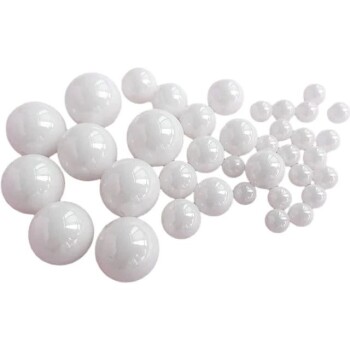
Precision Machined Zirconia Ceramic Ball for Engineering Advanced Fine Ceramics
zirconia ceramic ball have the characteristics of high strength, high hardness, PPM wear level, high fracture toughness, good wear resistance, and high specific gravity.
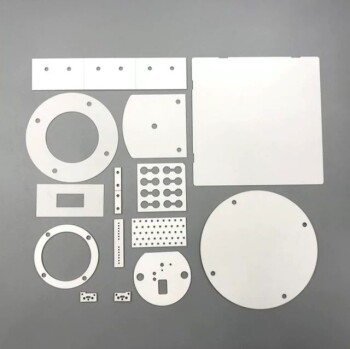
Custom-Made Alumina Zirconia Special-Shaped Ceramic Plates for Engineering Advanced Fine Ceramics Processing
Alumina ceramics have good electrical conductivity, mechanical strength and high temperature resistance, while zirconia ceramics are known for their high strength and high toughness and are widely used.

High Temperature Alumina (Al2O3) Furnace Tube for Engineering Advanced Fine Ceramics
High temperature alumina furnace tube combines the advantages of high hardness of alumina, good chemical inertness and steel, and has excellent wear resistance, thermal shock resistance and mechanical shock resistance.

Ultra-High Temperature Graphite Vacuum Graphitization Furnace
The ultra-high temperature graphitization furnace utilizes medium frequency induction heating in a vacuum or inert gas environment. The induction coil generates an alternating magnetic field, inducing eddy currents in the graphite crucible, which heats up and radiates heat to the workpiece, bringing it to the desired temperature. This furnace is primarily used for graphitization and sintering of carbon materials, carbon fiber materials, and other composite materials.

Small Vacuum Heat Treat and Tungsten Wire Sintering Furnace
The small vacuum tungsten wire sintering furnace is a compact experimental vacuum furnace specially designed for universities and scientific research institutes. The furnace features a CNC welded shell and vacuum piping to ensure leak-free operation. Quick-connect electrical connections facilitate relocation and debugging, and the standard electrical control cabinet is safe and convenient to operate.
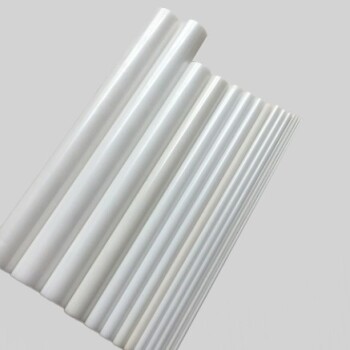
Precision Machined Yttrium Stabilized Zirconia Ceramic Rod for Engineering Advanced Fine Ceramics
Zirconia ceramic rods are prepared by isostatic pressing, and a uniform, dense and smooth ceramic layer and transition layer are formed at high temperature and high speed.
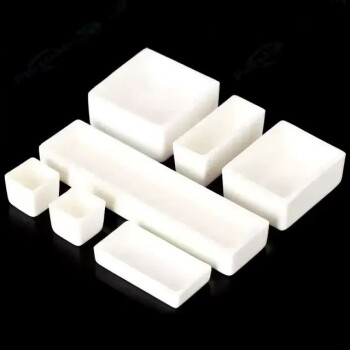
Engineering Advanced Fine Alumina Al2O3 Ceramic Crucible for Laboratory Muffle Furnace
Alumina ceramic crucibles are used in some materials and metal melting tools, and flat-bottomed crucibles are suitable for melting and processing larger batches of materials with better stability and uniformity.

2200 ℃ Graphite Vacuum Heat Treat Furnace
Discover the power of the KT-VG Graphite Vacuum Furnace - with a maximum working temperature of 2200℃, it's perfect for vacuum sintering of various materials. Learn more now.
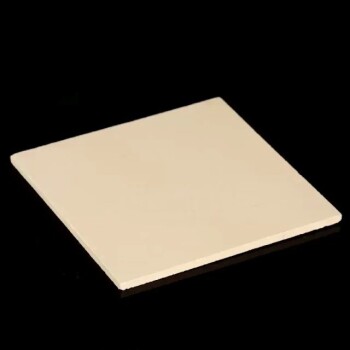
Precision Machined Yttria Stabilized Zirconia Ceramic Plate for Engineering Advanced Fine Ceramics
Yttrium-stabilized zirconia has the characteristics of high hardness and high temperature resistance, and has become an important material in the field of refractories and special ceramics.

2200 ℃ Tungsten Vacuum Heat Treat and Sintering Furnace
Experience the ultimate refractory metal furnace with our Tungsten vacuum furnace. Capable of reaching 2200℃, perfect for sintering advanced ceramics and refractory metals. Order now for high-quality results.

Controlled Nitrogen Inert Hydrogen Atmosphere Furnace
KT-AH Hydrogen atmosphere furnace - induction gas furnace for sintering/annealing with built-in safety features, dual housing design, and energy-saving efficiency. Ideal for lab and industrial use.

Vertical High Temperature Graphite Vacuum Graphitization Furnace
Vertical high temperature graphitization furnace for carbonization and graphitization of carbon materials up to 3100℃.Suitable for shaped graphitization of carbon fiber filaments and other materials sintered in a carbon environment.Applications in metallurgy, electronics, and aerospace for producing high-quality graphite products like electrodes and crucibles.
Related Articles
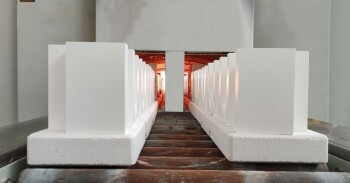
Zirconia Ceramic Sintering Processes and Common Issues
An in-depth look at various sintering methods for zirconia ceramics and common problems encountered during the process.

In-Depth Understanding of Zirconia Sintering Furnaces
An exploration of zirconia sintering processes, furnace components, and optimal conditions for achieving high-quality dental restorations.

The Latest Advancements in Zirconia Sintering Furnaces for Dental Applications
Zirconia sintering furnaces are designed to give dental professionals the ability to create dental restorations with the highest level of precision and accuracy.
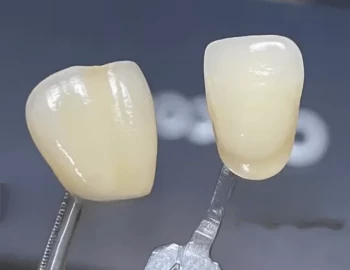
Dental Sintering Furnaces The Impact on Restoration Quality and Durability
Dental sintering furnaces play a crucial role in the manufacturing process of dental crowns and other restorations.
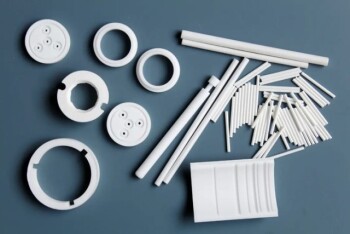
Precision Ceramics: Types, Working Principles, and Performance Characteristics of Various Sintering Furnaces
An in-depth look at different types of sintering furnaces and their principles, advantages, and disadvantages.

Dental Ceramic Furnaces The Science Behind It
Dental ceramic furnaces play a crucial role in the production of dental restorations such as crowns, bridges, and veneers.
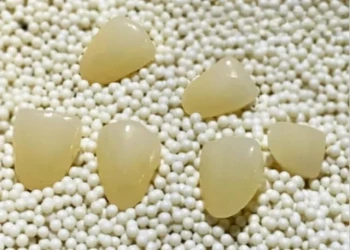
Understanding the Function of a Dental Ceramic Furnace
Dental ceramic furnaces are specialized equipment used in the dental laboratory to create high-quality dental restorations, such as crowns, bridges, and veneers.
Impact of Sintering Furnaces on Ceramic Manufacturing
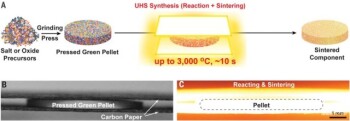
Explores the role of sintering furnaces in ceramic production, focusing on their applications, heating methods, and effects on ceramic properties.

How to Maintain Your Dental Ceramic Furnace
The dental furnaces are expensive and require regular maintenance to ensure they function properly and produce accurate results.
Top 5 Features of a High-Quality Zirconia Sintering Oven
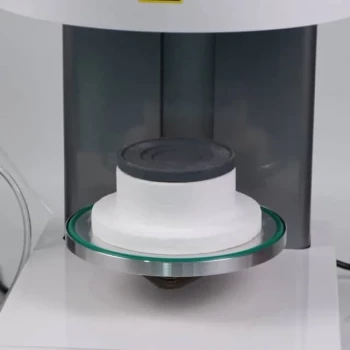
Investing in a high-quality sintering oven is crucial for dental laboratories that want to produce high-quality zirconia restorations consistently.
Enhancing Dental Work with a High-Quality Dental Furnace
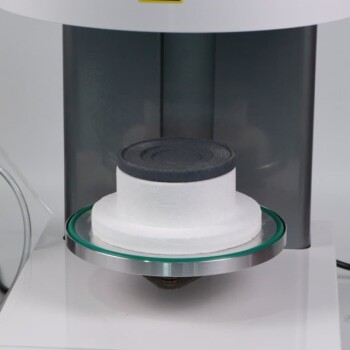
A dental furnace is a specialized piece of equipment used in dentistry to heat materials to high temperatures. It is typically used to manipulate metal alloys or ceramics, such as those used in crowns, bridges, and other restorative treatments.
Common Issues and Solutions in Dental Furnace Sintered Denture Procedures
This article discusses common problems encountered during dental furnace sintered denture procedures and provides solutions.