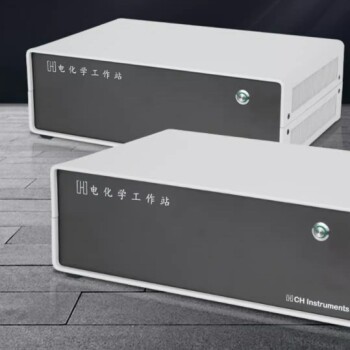
An electrochemical workstation evaluates electrolyte performance by analyzing the impedance spectrum specifically in the high-frequency range. By identifying the intercept on the real axis of the Nyquist plot, the instrument determines the system's ohmic resistance ($R_s$), which serves as the fundamental data point for calculating ionic conductivity.
The core value of this method lies in its ability to translate electrical resistance into physical properties. It allows you to determine ionic conductivity while simultaneously diagnosing structural issues like insufficient humidification or electrode delamination.
Isolating the Metric that Matters
To evaluate an electrolyte, you must know where to look on the impedance spectrum.
The High-Frequency Intercept
Electrochemical Impedance Spectroscopy (EIS) generates data across a wide frequency range. For electrolytes, the critical data point implies ohmic resistance ($R_s$).
This is found at the high-frequency intercept of the Nyquist plot. This value represents the resistance responsible for ion movement through the bulk electrolyte, distinct from the reactions happening at the electrode surface.
Calculating Ionic Conductivity
Once the workstation measures the ohmic resistance ($R_s$), you can determine the intrinsic performance of the material.
The ionic conductivity is calculated by combining $R_s$ with the geometric parameters of your cell. You must factor in the electrolyte thickness and the active electrode area. Without accurate geometric measurements, the raw resistance data cannot be converted into specific conductivity.
Diagnosing Physical State and Integrity
Beyond simple conductivity numbers, the workstation provides insights into the physical condition of the cell.
Assessing Humidification and Density
The measured resistance is highly sensitive to the state of the material.
For phosphate composite electrolytes, particularly at high temperatures, the impedance data helps assess the humidification state. It also serves as a proxy for the density of the electrolyte, ensuring the material was fabricated correctly.
Identifying Structural Failure
Sudden changes in the high-frequency intercept can indicate mechanical failure.
If the workstation reports an unexpected rise in resistance, it may signal electrode delamination. This occurs when the electrolyte loses contact with the electrode, disrupting the ion path.
Understanding the Interpretive Trade-offs
While EIS is powerful, misinterpreting the plot is a common pitfall.
Distinguishing Electrolyte from Catalyst
A Nyquist plot often contains a semicircle. It is crucial to understand that the radius of this semicircle reflects charge transfer resistance ($R_{ct}$) associated with the catalyst or electrode interface.
This indicates electron transport rates, not electrolyte performance. When evaluating the electrolyte, you must focus on the starting intercept point, not the arc of the semicircle.
Geometric Sensitivity
The accuracy of your conductivity calculation is entirely dependent on your physical measurements.
If your measurement of the electrolyte thickness or electrode area is imprecise, the workstation's high-precision impedance data will still yield incorrect conductivity values. The result is only as good as your physical inputs.
Making the Right Choice for Your Goal
When analyzing EIS data, tailor your focus to your specific objective:
- If your primary focus is Electrolyte Conductivity: Ignore the semicircle arcs and focus exclusively on the high-frequency intercept ($R_s$) combined with accurate thickness measurements.
- If your primary focus is Cell Fabrication Quality: Monitor the $R_s$ value over time; a drifting value often indicates delamination or drying (loss of humidification) rather than chemical degradation.
- If your primary focus is Electrode Efficiency: Shift your attention to the radius of the semicircle ($R_{ct}$) to evaluate charge transfer rates, but recognize this is distinct from electrolyte performance.
Success relies on isolating the specific frequency response that corresponds to the bulk material rather than the interface.
Summary Table:
| Parameter | Metric / Data Point | Practical Application |
|---|---|---|
| Ohmic Resistance ($R_s$) | High-frequency intercept | Calculates intrinsic ionic conductivity |
| Charge Transfer ($R_{ct}$) | Semicircle radius | Evaluates catalyst and electrode efficiency |
| Cell Integrity | Stability of $R_s$ value | Detects electrode delamination or drying |
| Geometric Data | Thickness & Active Area | Required to convert resistance to conductivity |
Elevate Your Electrochemical Research Precision
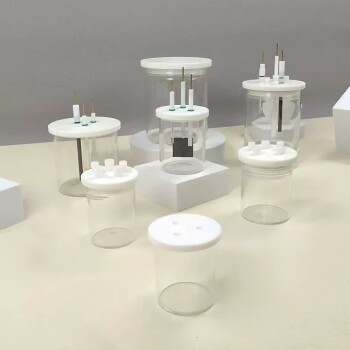
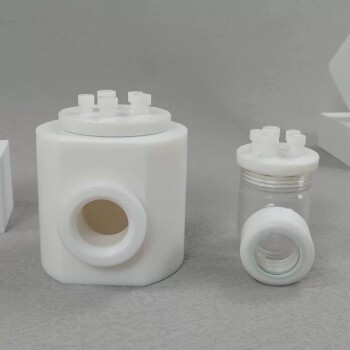
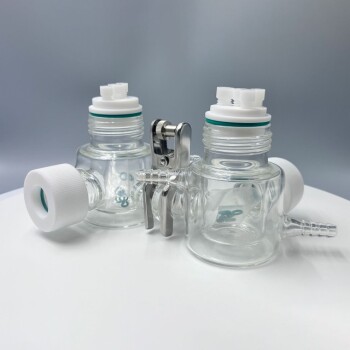
At KINTEK, we understand that accurate data starts with superior hardware. Whether you are measuring ionic conductivity or diagnosing structural integrity, our comprehensive range of electrolytic cells, electrodes, and battery research tools provides the precision your lab requires.
We specialize in high-performance laboratory equipment, including:
- Electrolytic cells and electrodes for advanced EIS analysis.
- High-temperature high-pressure reactors and autoclaves for extreme condition testing.
- Battery research consumables and cooling solutions like ULT freezers.
Contact KINTEK today to discover how our high-quality workstations and laboratory consumables can enhance your research efficiency and accuracy!
References
- Shintaroh Nagaishi, Jun Kubota. Ammonia synthesis from nitrogen and steam using electrochemical cells with a hydrogen-permeable membrane and Ru/Cs<sup>+</sup>/C catalysts. DOI: 10.1039/d3se01527k
This article is also based on technical information from Kintek Solution Knowledge Base .
Related Products
- Lab Electrochemical Workstation Potentiostat for Laboratory Use
- Electrode Fixture for Electrochemical Experiments
- Glassy Carbon Electrochemical Electrode
- Electrolytic Electrochemical Cell with Five-Port
- Sample Support Body for Electrochemical Tests
People Also Ask
- How does an electrochemical workstation assist in assessing corrosion resistance? Quantify Laser-Remelted Steel Performance
- How does an electrochemical testing system evaluate mesoporous oxide electrodes? Precision Analysis for Battery Research
- What are the primary functions of an electrochemical workstation (Potentiostat)? Expert Titanium Alloy Corrosion Analysis
- What is the primary function of a high-precision electrochemical workstation? Optimize Your Reactor Performance
- What role do electrochemical workstations play in researching the corrosion resistance of carbon coatings? Expert Guide