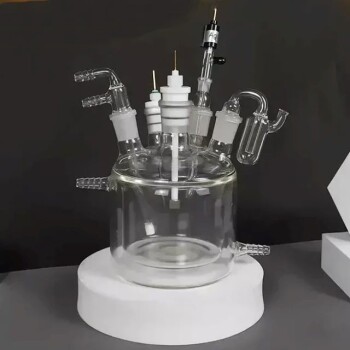
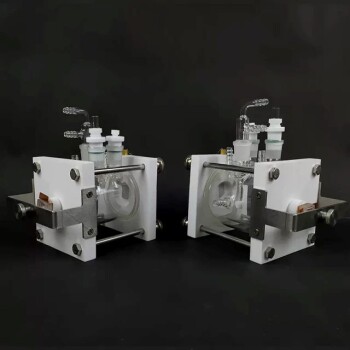
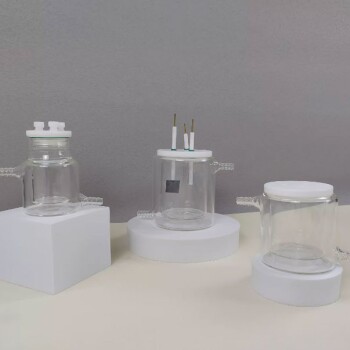
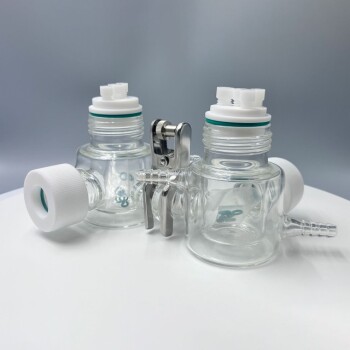
Electrolytic cells and high-current DC power systems function as a critical pre-processing step to resolve the challenge of extremely low radioactivity in environmental samples. By applying a high electrical current to a large volume of water, these systems chemically reduce the volume, thereby concentrating the radioactive isotopes (specifically tritium) to levels that detection equipment can accurately measure.
Core Takeaway Natural tritium levels in the environment are often below the sensitivity threshold of standard instruments. Electrolytic enrichment resolves this by reducing sample volume to increase concentration by 10 to 15 times, enabling ultra-low level liquid scintillation counters to capture accurate data.
Overcoming the Sensitivity Barrier
The Problem of Low Concentration
Environmental water samples often contain natural tritium at extremely low concentrations.
Standard detection equipment typically lacks the sensitivity required to measure these trace amounts directly. Without concentration, the radioactive signal is too weak to distinguish from background noise.
The Electrolytic Solution
To solve this, laboratories utilize an electrolytic cell powered by a high-current DC system, often operating at intensities such as 5 Amps.
This setup subjects the water sample to electrolysis, a process that decomposes the water molecules. This controlled decomposition is the mechanism used to reduce the overall sample volume while retaining the target isotopes.
How the Process Improves Data Quality
Volume Reduction and Enrichment
The primary function of the DC power system is to drive the volume reduction of the sample.
For example, a process might begin with an initial volume of 250 ml. Through electrolysis, this volume is significantly reduced, resulting in a concentration enrichment factor of 10 to 15 times.
Enhancing Liquid Scintillation Counting
Once the sample is concentrated, it is analyzed using ultra-low level liquid scintillation counters.
Because the tritium activity per unit volume has been artificially increased, the detection limits of the equipment are significantly improved. This allows for high measurement accuracy even when the original environmental levels were negligible.
Understanding Operational Constraints
Managing Gas Byproducts
The electrolytic process that reduces water volume inevitably produces hydrogen and oxygen gases.
These gases are flammable and potentially hazardous in a closed laboratory environment. Consequently, the design of the electrolytic cell must include a robust exhaust system to ensure safe discharge.
Power and Sample Requirements
This method is resource-intensive regarding both electricity and sample size.
It requires a stable high-current (e.g., 5 A) supply to function effectively. Furthermore, it necessitates a sufficiently large starting sample (e.g., 250 ml) to allow for the massive volume reduction required to achieve the 10-15x enrichment factor.
Making the Right Choice for Your Monitoring Goals
- If your primary focus is maximizing detection sensitivity: Ensure your DC system helps achieve a volume reduction capable of enriching the sample by at least 10 to 15 times.
- If your primary focus is operational safety: Verify that the electrolytic cell features a dedicated exhaust design to handle the hydrogen and oxygen produced during high-current electrolysis.
By leveraging electrolytic concentration, you transform environmental samples from undetectable traces into verifiable, high-accuracy data points.
Summary Table:
| Feature | Specification/Benefit |
|---|---|
| Primary Function | Volume reduction & isotope concentration (Tritium) |
| Enrichment Factor | 10 to 15 times the original concentration |
| Operating Current | High-current DC systems (e.g., 5 Amps) |
| Starting Volume | Typical sample size of 250 ml |
| Safety Requirement | Integrated exhaust for hydrogen & oxygen gas discharge |
| Detection Method | Ultra-low level liquid scintillation counting |
Maximize Your Radioactivity Detection Precision with KINTEK
Facing challenges with low-concentration environmental samples? KINTEK specializes in providing high-performance laboratory solutions tailored for advanced research and monitoring. Our expertise in electrolytic cells, electrodes, and high-precision power systems ensures you achieve the 10-15x enrichment factors necessary for accurate tritium analysis.
From high-temperature furnaces and vacuum systems to specialized battery research tools and PTFE consumables, KINTEK delivers the equipment needed to overcome sensitivity barriers in your lab.
Ready to enhance your measurement accuracy and operational safety?
Contact KINTEK Experts Today to find the perfect electrolytic and sample preparation solution for your environmental monitoring goals.
References
- Madalina Cruceru. Small detectors with inorganic scintillator crystals of CsI(Tl) for gamma radiation and heavy ions detection. DOI: 10.21175/rad.abstr.book.2023.32.5
This article is also based on technical information from Kintek Solution Knowledge Base .
Related Products
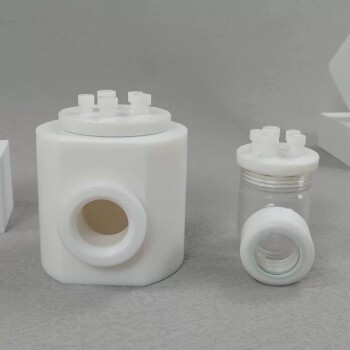
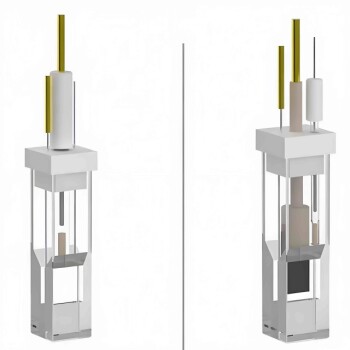
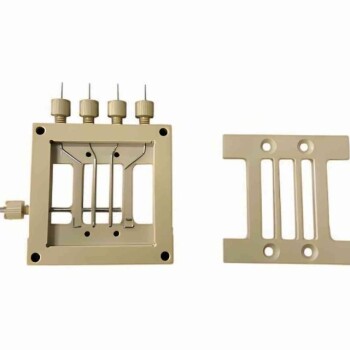
- PTFE Electrolytic Cell Electrochemical Cell Corrosion-Resistant Sealed and Non-Sealed
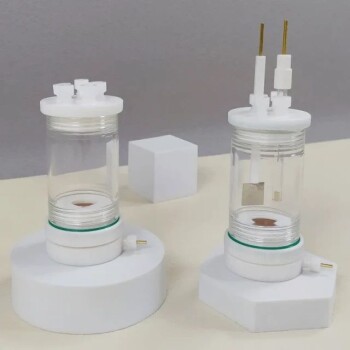
- Super Sealed Electrolytic Electrochemical Cell
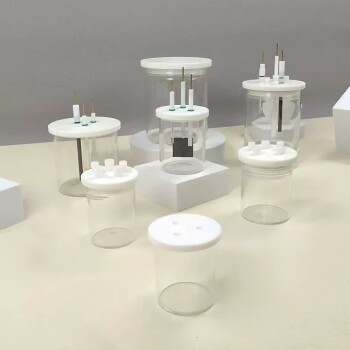
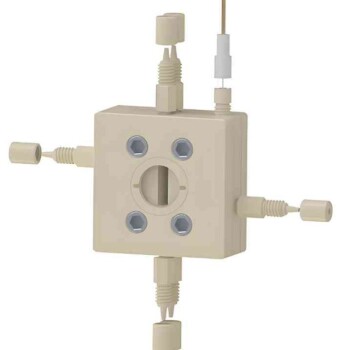
- Electrolytic Electrochemical Cell with Five-Port
- H Type Electrolytic Cell Triple Electrochemical Cell
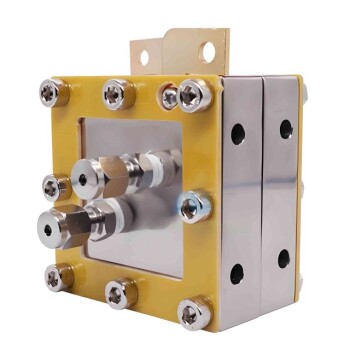
- Electrolytic Electrochemical Cell Gas Diffusion Liquid Flow Reaction Cell
People Also Ask
- What is the necessity of selecting a PTFE electrolytic cell? Ensure Precise Graphene Corrosion Testing Accuracy
- What is the proper method for cleaning the surface of an all-PTFE electrolytic cell? Ensure Accurate Results with a Pristine Surface
- How should an all-PTFE electrolytic cell be stored after use? Expert Maintenance Tips for Long-Lasting Performance
- What is the proper cleaning method for an all-PTFE electrolytic cell? Essential Tips for Surface Integrity
- What are the standard opening specifications for all-PTFE electrolytic cells? A Guide to Sealed vs. Non-Sealed Ports