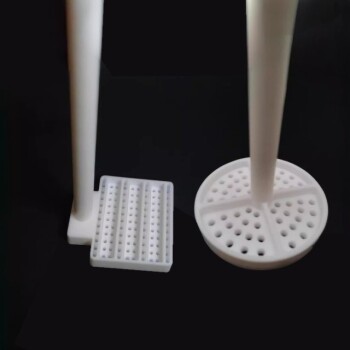
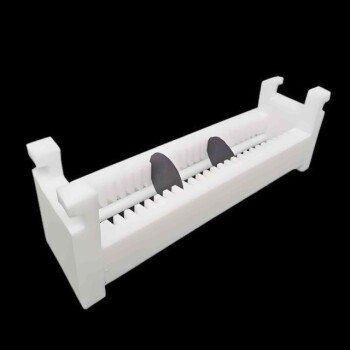
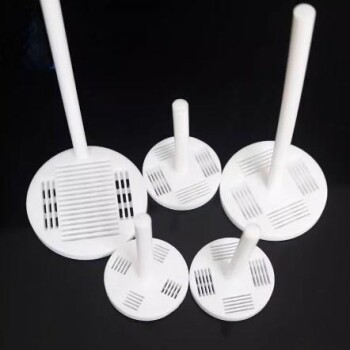
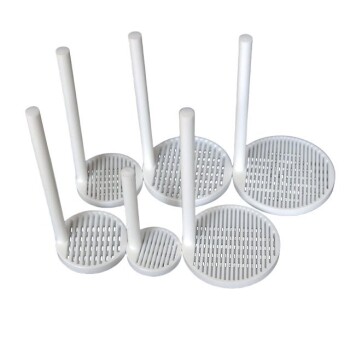
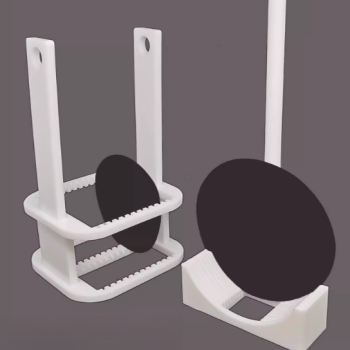
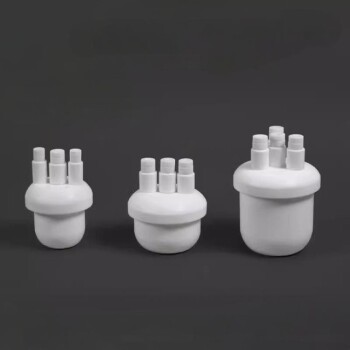
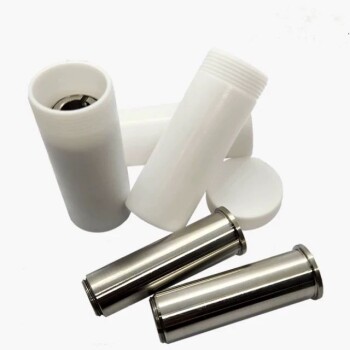
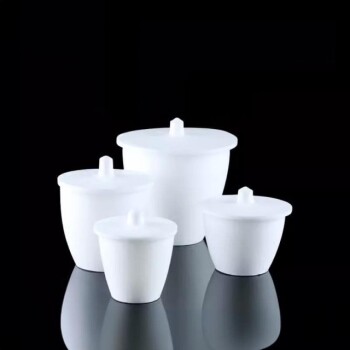
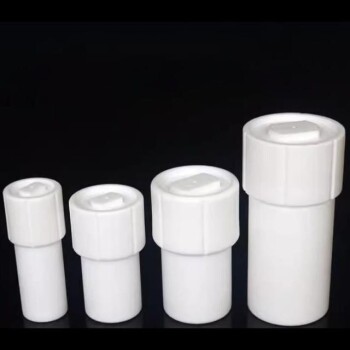
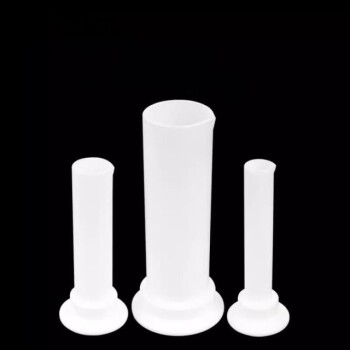
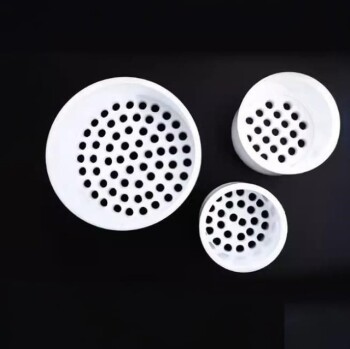
Teflon (PTFE) baskets facilitate glass thin-film leaching by acting as a chemically inert suspension system that guarantees the sample is uniformly exposed to the reactive solution. By physically lifting the film off the reactor floor, these baskets prevent surface obstruction and mechanical wear while ensuring the solution circulates freely around the entire specimen.
Core Takeaway The use of PTFE baskets solves two fundamental problems in leaching experiments: they maximize the available reaction surface area via suspension and eliminate data contamination by using a material that is chemically non-reactive in corrosive, high-temperature environments.
Optimizing Physical Exposure
Ensuring Uniform Contact
The primary function of the PTFE basket is to suspend the glass thin-film within the reactor. This positioning ensures that the leaching solution touches every part of the sample equally, rather than just the top or sides.
Preventing Surface Obstruction
Without a basket, a sample would rest on the bottom of the container, effectively blocking the reaction on that contact surface. The basket eliminates this blind spot, allowing for an accurate calculation of total dissolution based on the complete surface area.
Avoiding Physical Wear
Leaching experiments are designed to measure chemical dissolution, not mechanical abrasion. By securing the sample in a fixed position, the basket prevents it from sliding against the container walls or floor, which could artificially accelerate material loss.
Preserving Chemical Integrity
Eliminating Ion Contamination
For results to be valid, the leaching vessel must not add anything to the solution. PTFE is utilized because it does not release impurity ions—such as silicon or alkali metals—even in corrosive environments ranging from pH 2 to 11.
Withstanding Elevated Temperatures
These experiments frequently occur at temperatures up to 70 °C to accelerate reactions. The PTFE material maintains its structural stability and inertness under these thermal loads, ensuring the basket does not degrade or warp.
Isolating the Variable of Interest
The ultimate goal is to analyze the dissolution of the glass specimen alone. Because the basket does not react with alteration solutions, researchers can be certain that any ions detected in the final analysis originated solely from the glass thin-film.
Critical Considerations
Suitability for Static Environments
References specifically note the use of these baskets in static leaching experiments. While excellent for passive exposure, this design acts as a stabilizer; it may not be optimized for dynamic flow experiments where high-velocity agitation is required.
Material Exclusivity
The success of this setup relies entirely on the quality of the PTFE. Using baskets made of slightly less distinct polymers or lower-grade plastics could reintroduce the very contamination and thermal instability the experiment seeks to avoid.
Making the Right Choice for Your Experiment
To ensure the validity of your leaching data, consider the following specific goals:
- If your primary focus is Surface Area Accuracy: Use the basket to suspend the sample, ensuring 100% of the thin-film is accessible to the solution without physical obstruction.
- If your primary focus is Chemical Purity: Rely on the PTFE material to prevent the leaching of silicon or alkali metals that would skew your baseline measurements.
By combining physical suspension with chemical inertness, PTFE baskets turn a volatile reaction into a controlled, measurable standard.
Summary Table:
| Feature | Benefit for Leaching Experiments |
|---|---|
| Chemical Inertness | Prevents ion contamination (Si, Alkali metals) across pH 2-11 |
| Sample Suspension | Eliminates blind spots by ensuring 100% surface area exposure |
| Thermal Stability | Maintains integrity at elevated temperatures up to 70°C+ |
| Physical Protection | Prevents mechanical wear and abrasion against reactor walls |
| Static Optimization | Provides a stable environment for precise dissolution measurement |
Elevate Your Material Analysis with KINTEK Precision
Ensure the integrity of your research with KINTEK’s premium PTFE products and laboratory consumables. Our Teflon baskets are specifically engineered for demanding leaching experiments, providing the chemical resistance and thermal stability required to isolate your variables and deliver accurate data.
Beyond consumables, KINTEK offers a comprehensive range of laboratory solutions, including:
- High-Temperature Furnaces & Reactors: From muffle and vacuum furnaces to high-pressure autoclaves.
- Sample Preparation: Advanced crushing, milling, and hydraulic presses for precise specimen creation.
- Electrochemical Research: Specialized electrolytic cells and electrodes for advanced testing.
Ready to optimize your lab's performance? Contact our specialists today to find the perfect equipment and consumables tailored to your specific research needs.
References
- Kamalesh Damodaran, Jean‐Marc Delaye. On the effect of Al on alumino-borosilicate glass chemical durability. DOI: 10.1038/s41529-023-00364-3
This article is also based on technical information from Kintek Solution Knowledge Base .
Related Products
- Custom PTFE Teflon Parts Manufacturer Adjustable Height Flower Basket
- Custom PTFE Teflon Parts Manufacturer for Hollow Cleaning Basket and Rack Carrier
- Custom PTFE Teflon Parts Manufacturer Corrosion Resistant Cleaning Rack Flower Basket
- Custom PTFE Teflon Parts Manufacturer for Hollow Etching Flower Basket ITO FTO Developing Glue Removal
- Versatile PTFE Solutions for Semiconductor and Medical Wafer Processing
People Also Ask
- What function do PTFE baskets serve in underground hydrogen storage? Ensure Chemical Purity in Geochemical Experiments
- What is the function of PTFE in a gas diffusion electrode? Mastering CO2 Electrolyzer Stability
- Is PTFE corrosion resistant? Discover the Ultimate Chemical Resistance for Your Lab
- What are the specific applications of PTFE in micro-batch slug flow systems? Enhance Your Microfluidic Reaction Purity
- How is PTFE utilized for insulation in Alloy 22 corrosion setups? Ensure Signal Purity & Accuracy