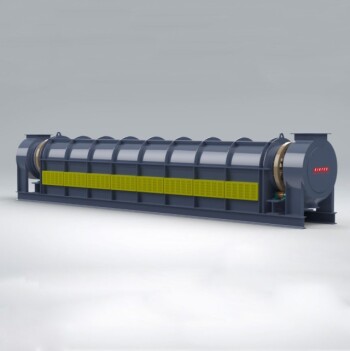
A high-temperature laboratory furnace functions as a precision instrument that dictates the structural evolution of ruthenium dioxide. By strictly maintaining a temperature of 350°C and a heating ramp of 5°C per minute, the furnace drives the conversion of hydrated ruthenium dioxide (H-RuO2) into stable, rutile-type crystalline ruthenium dioxide (C-RuO2). This controlled thermal environment allows for the removal of structural water and the induction of crystallization while preventing the collapse of the material's active surface area.
Core Takeaway The furnace acts as a mediator between two conflicting material needs: crystallinity (required for conductivity and stability) and surface area (required for catalytic activity). Precise thermal regulation ensures the resulting oxide is stable enough for the oxygen evolution reaction without sintering into a low-performance block.
The Mechanics of Phase Transformation
Inducing Rutile Crystallization
The primary role of the furnace is to supply the energy required to rearrange the atomic structure of the precursor. Through controlled heating, the amorphous, hydrated ruthenium dioxide transforms into a rutile-type crystalline structure. This phase change is essential because the crystalline form provides the mechanical integrity needed for harsh chemical environments.
Balancing Structural Water Content
The furnace carefully manages the dehydration process. While the goal is to convert the material to an oxide, retaining a specific balance of structural water is critical. The thermal treatment removes excess water to stabilize the structure, yet the process is tuned to avoid total dehydration that might compromise electrochemical performance.
Establishing a Uniform Thermal Field
As noted in broader laboratory applications, a high-temperature muffle furnace creates a stable thermal field. This ensures that the powder is heated uniformly in an air atmosphere. Uniform heating prevents localized hotspots that could lead to inconsistent particle growth or incomplete phase transformation.
Critical Process Parameters
The Significance of 350°C
The specific setpoint of 350°C is not arbitrary; it is the optimal window for this specific transition. At this temperature, the furnace ensures the material achieves the necessary electrical conductivity and crystallinity. If the temperature deviates significantly, the physicochemical properties required for the oxygen evolution reaction may not develop correctly.
Controlling the Heating Rate
The heating rate of 5°C per minute is a vital control variable. A controlled ramp rate allows the material to release volatiles and rearrange its crystal lattice gradually. This prevents thermal shock and ensures that the transition to the crystalline phase occurs methodically, preserving the material's porous architecture.
Understanding the Trade-offs
Crystallinity vs. Surface Area
The most critical trade-off in this process is between stability and active sites. Higher temperatures generally increase crystallinity and electrical conductivity, which makes the material more stable. However, excessive heat causes particles to sinter (fuse together), drastically reducing the surface area available for chemical reactions.
Electrochemical Performance vs. Durability
Optimizing for one property often degrades another. A furnace cycle that prioritizes maximum surface area (lower heat) may result in a material that is physically unstable and prone to dissolution. Conversely, a cycle that prioritizes maximum crystallinity (higher heat) may produce a highly conductive electrode that lacks the necessary surface area to be an effective catalyst.
Making the Right Choice for Your Goal
To optimize the performance of ruthenium dioxide for oxygen evolution reactions (OER), you must tune your furnace parameters based on your specific performance requirements.
- If your primary focus is Long-Term Stability: Ensure the furnace reaches and holds the full 350°C to maximize crystallinity and electrical conductivity, even at the slight cost of surface area.
- If your primary focus is Catalytic Activity: Adhere strictly to the 5°C/min ramp rate and avoid overshooting the target temperature to preserve the maximum possible surface area.
- If your primary focus is Process Consistency: Utilize a muffle furnace with verified thermal uniformity to ensure that every batch of powder undergoes the exact same phase transformation profile.
Success relies on using the furnace not just as a heater, but as a tool to precisely balance conductivity with catalytic surface area.
Summary Table:
| Parameter | Targeted Value | Impact on RuO2 Physicochemical Properties |
|---|---|---|
| Temperature Setpoint | 350°C | Determines crystallinity, electrical conductivity, and stability. |
| Heating Ramp Rate | 5°C per minute | Prevents thermal shock; preserves porous architecture and surface area. |
| Atmosphere | Air (Uniform Field) | Ensures consistent dehydration and prevents localized sintering. |
| Material Outcome | Rutile-type C-RuO2 | Balances mechanical integrity with high electrochemical activity. |
Elevate Your Material Research with KINTEK Precision
Achieving the perfect balance between crystallinity and surface area requires more than just heat—it requires uncompromising thermal control. At KINTEK, we specialize in high-performance laboratory equipment designed for critical phase transformations. Whether you are synthesizing catalysts for the oxygen evolution reaction or developing next-generation battery materials, our comprehensive range of muffle, tube, and vacuum furnaces provides the uniform thermal fields necessary for consistent results.
Beyond heating, KINTEK offers a full suite of laboratory solutions, including high-pressure reactors, electrolytic cells, and precision crushing systems, tailored for the most demanding research environments.
Ready to optimize your material properties? Contact our technical experts today to find the perfect furnace or electrochemical tool for your laboratory needs.
References
- Abirami Devadas, Christophe Coutanceau. Green Synthesis and Modification of RuO2 Materials for the Oxygen Evolution Reaction. DOI: 10.3389/fenrg.2020.571704
This article is also based on technical information from Kintek Solution Knowledge Base .
Related Products
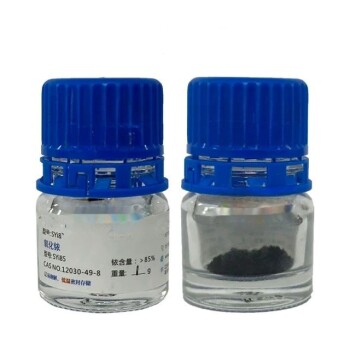
- Iridium Dioxide IrO2 for Water Electrolysis
- Laboratory Rapid Thermal Processing (RTP) Quartz Tube Furnace
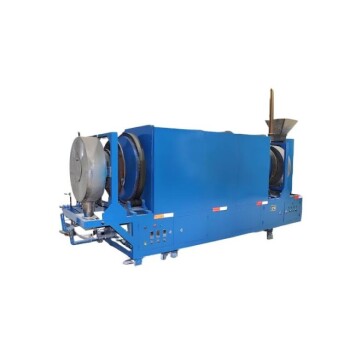
- Electric Rotary Kiln Small Rotary Furnace for Activated Carbon Regeneration
- Controlled Nitrogen Inert Hydrogen Atmosphere Furnace
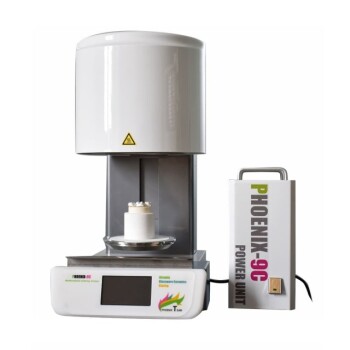
- High Temperature Muffle Oven Furnace for Laboratory Debinding and Pre Sintering
People Also Ask
- What advantages does supercritical fluid technology provide for Iridium catalysts? Achieve Precision Nano-Synthesis
- What are the different types of catalysts used in pyrolysis? A Guide to Optimizing Biomass Conversion
- How does catalyst work in pyrolysis? A Guide to Efficient and Selective Fuel Production
- Which catalyst is used in pyrolysis process? Choosing the Right Catalyst for Your Feedstock
- What is the best catalyst for pyrolysis? A Strategic Guide to Maximizing Bio-Oil Quality and Yield