An electrochemical anodization system functions as a high-precision sculpting tool for titanium surfaces. By immersing titanium foil in a fluoride-containing electrolyte and applying a strictly regulated voltage, the system orchestrates a balance between oxidation and chemical dissolution to "grow" highly ordered nanotube arrays.
The Core Insight This system does more than just texture the surface; it completely transforms the material's functionality. By independently controlling parameters like voltage and time, the system allows you to engineer the specific geometry of the nanotubes, optimizing them for critical tasks like efficient electron transport or drug delivery.
The Mechanism of Formation
Controlled Electrochemical Reactions
The fabrication process relies on the simultaneous occurrence of two chemical reactions.
First, the application of voltage induces oxidation on the surface of the titanium foil.
Second, the fluoride-containing electrolyte selectively dissolves this oxide layer, digging channels that eventually become nanotubes.
The Role of Precision Voltage
A high-precision power supply is the central component of the system.
For example, applying a specific voltage, such as 55 V, drives the reaction at a predictable rate.
Maintaining a constant voltage or current is essential to ensure the resulting arrays are highly ordered rather than chaotic.
Controlling Nanotube Geometry
Tuning Dimensional Parameters
The primary value of this system is the ability to customize the physical dimensions of the nanotubes.
Operators can precisely adjust the diameter, wall thickness, and length of the tubes.
This is achieved by manipulating the voltage level, the chemical composition of the electrolyte, and the total processing time.
Creating Hierarchical Structures
The result of this tuning is a three-dimensional hierarchical structure.
These structures possess a high specific surface area, which is significantly greater than that of flat titanium.
This increased surface area is critical for applications requiring maximum interaction between the material and its environment.
Functional Implications
Improving Electronic Performance
For energy and electronic applications, the order of the array is paramount.
The one-dimensional nature of the nanotubes provides efficient, direct paths for electron transport.
This structure effectively suppresses charge recombination, ensuring that generated charges are utilized rather than lost.
Biomedical Capabilities
In the context of medical implants, the system allows the titanium to mimic the nanomorphology of natural bone tissue.
The adjustable hollow structure of the nanotubes creates a functional reservoir.
This space can be used for the controlled local release of antibacterial drugs or biological growth factors.
Critical Process Constraints
The Necessity of Stability
Achieving "highly ordered" arrays requires absolute stability in the system.
Fluctuations in the power supply or inconsistencies in the electrolyte mix will disrupt the formation of the nanotubes.
Therefore, the quality of the anodization equipment directly correlates to the uniformity and quality of the final nanomaterial.
Making the Right Choice for Your Goal
To maximize the utility of an electrochemical anodization system, align your process parameters with your specific end-goal:
- If your primary focus is Energy Conversion: Prioritize parameters that maximize length and wall thickness to enhance electron transport and suppress charge recombination.
- If your primary focus is Biomedical Implants: Focus on adjusting the diameter to mimic natural bone and create adequate volume for drug loading.
Ultimately, the power of this system lies in its versatility—transforming raw titanium into a sophisticated, tunable platform for advanced engineering.
Summary Table:
| Parameter | Influence on TiO2 Nanotubes | Primary Benefit |
|---|---|---|
| Applied Voltage | Dictates nanotube diameter and growth rate | Precision geometry control |
| Electrolyte Composition | Fluoride ions drive chemical dissolution | Creates hollow tube structures |
| Processing Time | Controls the final length of nanotube arrays | Optimizes surface area |
| Power Stability | Ensures uniformity and ordered alignment | Prevents chaotic formation |
Elevate Your Nanotechnology Research with KINTEK
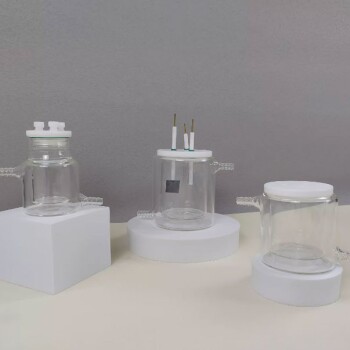
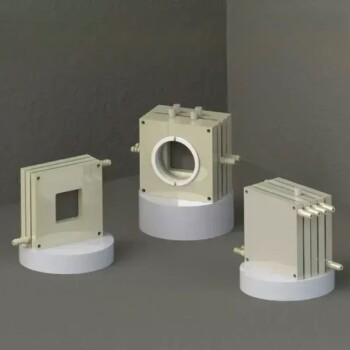
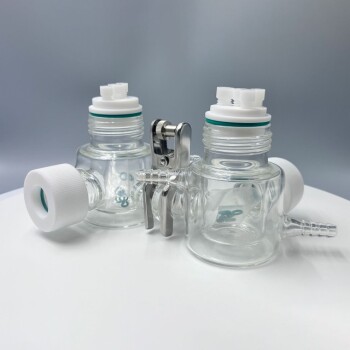
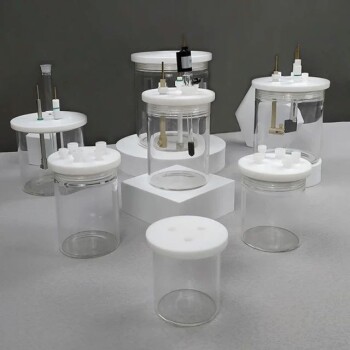
Precision is the foundation of high-performance nanomaterials. KINTEK specializes in advanced laboratory solutions, providing the high-stability electrochemical cells, electrodes, and high-precision power supplies essential for fabricating highly ordered TiO2 nanotube arrays. Whether you are optimizing electron transport for energy applications or engineering drug-delivery reservoirs for biomedical implants, our equipment ensures the repeatable accuracy your research demands.
Beyond electrochemistry, KINTEK offers a comprehensive portfolio including:
- High-Temperature Furnaces & Reactors for material annealing and CVD/PECVD processes.
- Crushing, Milling & Sieving Systems for precise sample preparation.
- Hydraulic Presses for pellet and material testing.
- Cooling & Homogenizing Solutions to maintain experimental integrity.
Ready to transform raw titanium into a sophisticated engineering platform? Contact KINTEK today to discover how our high-quality consumables and equipment can enhance your laboratory's efficiency and innovation.
References
- Donna A. Chen, Adam F. Lee. Synthetic strategies to nanostructured photocatalysts for CO<sub>2</sub>reduction to solar fuels and chemicals. DOI: 10.1039/c5ta01592h
This article is also based on technical information from Kintek Solution Knowledge Base .
Related Products
- Electrode Polishing Material for Electrochemical Experiments
- Iridium Dioxide IrO2 for Water Electrolysis
- Graphite Vacuum Furnace Negative Material Graphitization Furnace
- Lab Electrochemical Workstation Potentiostat for Laboratory Use
- Thin-Layer Spectral Electrolysis Electrochemical Cell
People Also Ask
- How do you prepare the polishing setup for an electrode? Achieve a Flawless Mirror Finish for Reliable Electrochemistry
- What is the general procedure and what precautions should be taken during the polishing process? Achieve a Flawless Electrode Finish
- What are the electrode materials? A Guide to Choosing the Right Conductor for Your Application
- What are the examples of electrode materials? From Platinum to Graphite for Your Application
- How is a polished electrode tested for quality? Validate Performance with Cyclic Voltammetry