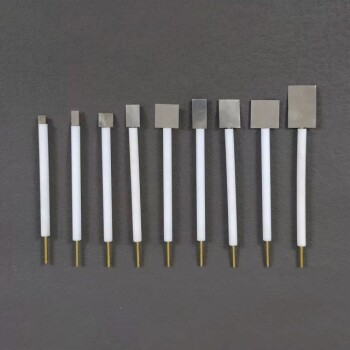
Increasing the surface area of the platinum cathode optimizes the molybdenum target dissolution system by directly reducing electrode polarization impedance. This reduction lowers the overall cell voltage required for the process, which suppresses detrimental side effects like excessive heating and foaming, ultimately allowing for faster, safer processing.
By minimizing polarization impedance, a larger cathode surface area enables the system to handle higher current densities without thermal runaway. This allows operators to significantly shorten dissolution time while maintaining a stable and safe electrolyte environment.
The Mechanism of Electrical Efficiency
Reducing Polarization Impedance
In electrochemical systems, a small electrode surface area often acts as a bottleneck for electron transfer.
By increasing the surface area of the platinum cathode, you significantly lower the electrode polarization impedance. This reduces the resistance the current faces as it moves between the electrode and the electrolyte.
Lowering Cell Voltage
Lower impedance directly correlates to a reduction in the overall cell voltage needed to drive the reaction.
Instead of wasting energy overcoming resistance at the cathode interface, the system operates at a more efficient voltage level.
Stabilizing the Electrolyte Environment
Controlling Temperature Rise
Operating at high voltages often results in wasted energy dissipating as heat.
By lowering the cell voltage through increased cathode area, the system suppresses excessive temperature rise within the electrolyte. This prevents the process from drifting into unsafe thermal conditions.
Suppressing Foam Generation
High voltage and thermal instability often trigger vigorous side reactions, leading to excessive foam generation.
A larger cathode surface area mitigates this, keeping the electrolyte calm and preventing foam from overflowing or interfering with the dissolution process.
Operational Gains: Speed and Safety
Enabling Higher Current Densities
Because the temperature and foam are kept under control, the system can safely tolerate higher current densities.
Operators can increase the amperage without the risk of the process becoming unstable or hazardous.
Shortening Dissolution Time
The ability to apply higher current densities directly translates to process speed.
With more current driving the reaction, the total dissolution time for the molybdenum target is significantly shortened, improving overall throughput.
Understanding the Trade-offs
Material Cost Implications
While technically superior, increasing the size of a platinum cathode involves a significant upfront capital expenditure.
Platinum is a precious metal; therefore, the efficiency gains in dissolution speed must be weighed against the increased cost of the electrode material.
Physical Design Constraints
Expanding the surface area requires physical space within the electrolytic cell.
Designers must ensure the cell geometry can accommodate a larger cathode without compromising the spacing required for adequate electrolyte flow and anode positioning.
Making the Right Choice for Your Goal
To optimize your molybdenum dissolution setup, weigh your priorities:
- If your primary focus is process speed and safety: Prioritize a larger platinum cathode surface area to maximize current density and minimize hazardous heat and foam.
- If your primary focus is budget optimization: Calculate the break-even point where the cost of additional platinum outweighs the value of the time saved in dissolution.
Optimizing the cathode surface area is the most direct lever for converting electrical energy into chemical dissolution rather than waste heat.
Summary Table:
| Optimization Factor | Impact of Increased Cathode Surface Area | Process Benefit |
|---|---|---|
| Electrode Impedance | Significantly Reduced | Lower energy loss and resistance |
| Cell Voltage | Lowered Operating Voltage | Enhanced electrical efficiency |
| Thermal Control | Suppressed Temperature Rise | Prevents electrolyte overheating |
| Foam Generation | Minimized Side Reactions | Stable electrolyte and safer operation |
| Processing Speed | Higher Current Density Allowed | Shorter dissolution time/Higher throughput |
Maximize Your Laboratory Throughput with KINTEK Precision Solutions
Optimizing your electrochemical dissolution requires the perfect balance of advanced materials and high-performance equipment. KINTEK specializes in premium laboratory solutions, including high-purity electrolytic cells and electrodes, tailored to meet the rigorous demands of material research and molybdenum processing.
Whether you are scaling up with our high-temperature furnaces or refining your setup with specialized PTFE products and ceramics, our experts are here to help you reduce processing times and ensure operational safety.
Ready to upgrade your lab efficiency? Contact KINTEK today to discover how our comprehensive range of high-pressure reactors, battery research tools, and precision consumables can transform your workflow.
References
- Izabela Cieszykowska, Grażyna Birnbaum. Studies on electrochemical dissolution of sintered molybdenum discs as a potential method for targets dissolution in 99mTc production. DOI: 10.1007/s10967-021-08155-3
This article is also based on technical information from Kintek Solution Knowledge Base .
Related Products
- Molybdenum Disilicide (MoSi2) Thermal Elements Electric Furnace Heating Element
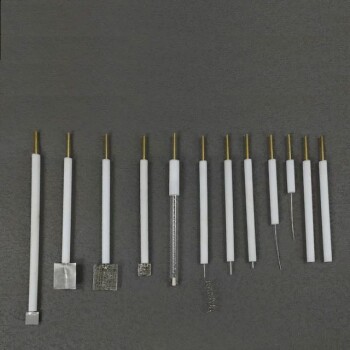
- Rotating Platinum Disk Electrode for Electrochemical Applications
- Molybdenum Tungsten Tantalum Special Shape Evaporation Boat
- Hemispherical Bottom Tungsten Molybdenum Evaporation Boat
- Platinum Auxiliary Electrode for Laboratory Use
People Also Ask
- What is the temperature range of molybdenum disilicide heating elements? Choose the Right Grade for Your High-Temp Needs
- What is molybdenum disilicide used for? Powering High-Temperature Furnaces Up to 1800°C
- What is the temperature range of a MoSi2 heating element? Unlock 1900°C Performance for Your Lab
- What is MoSi2 heating element? A High-Temp Solution with Self-Healing Power
- What is the best heating element for a furnace? A Guide to Selecting the Right Material for Your Temperature Needs