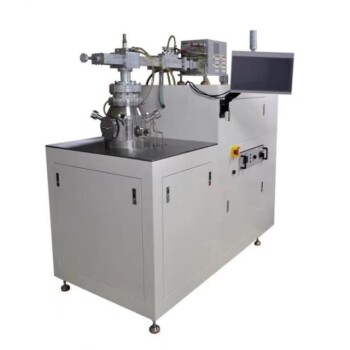
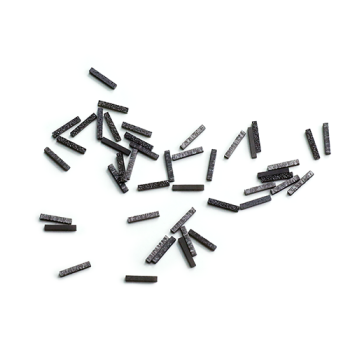
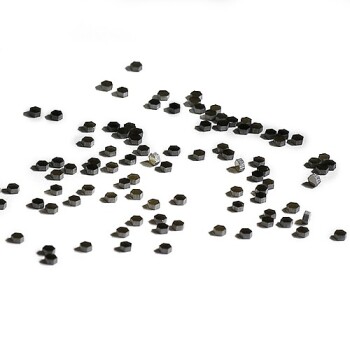
DC plasma jet technology offers a significantly superior growth rate compared to traditional methods. By utilizing high-energy density arc discharges to create high-velocity plasma flows, this equipment achieves diamond deposition speeds that far exceed those of Hot Filament Chemical Vapor Deposition (CVD) or standard microwave plasma techniques.
Core Takeaway The extreme energy density and velocity generated by DC plasma jets create a highly efficient environment for diamond synthesis. This makes the technology uniquely capable of handling industrial demands for the rapid production of large surface areas and thick diamond plates.
The Mechanics of High-Speed Deposition
To understand why DC plasma jet equipment outperforms other methods in speed, it is necessary to look at the underlying energy conversion process.
High Energy Density Discharges
The core of this technology relies on generating arc discharges with extremely high energy density. This is not a passive thermal process but an intense electrical event.
High-Velocity Plasma Flows
These arc discharges convert reaction gases into high-velocity plasma flows. This rapid delivery of energetic species to the substrate surface is the primary driver behind the accelerated growth rates.
Benchmarking Against Standard Methods
When evaluating deposition technologies, DC plasma jet equipment sits at the top of the hierarchy regarding speed.
Surpassing Hot Filament CVD
Hot Filament CVD is a common standard for diamond synthesis, but it cannot match the deposition speed of a DC plasma jet. The thermal activation in hot filament systems creates a much slower growth environment compared to the high-energy arc discharge.
Outperforming Microwave Plasma
Similarly, standard microwave plasma methods produce lower growth rates. While microwave plasma is effective for many applications, it lacks the high-velocity flow mechanics that allow DC plasma jets to deposit material so quickly.
Understanding the Industrial Application
The speed of deposition dictates the practical applications of the diamond produced.
Ideal for Mass Production
The rapid growth rate makes DC plasma jet equipment the preferred choice for industrial applications. When throughput is a critical metric, this method provides a distinct advantage over slower techniques.
Enabling Large and Thick Plates
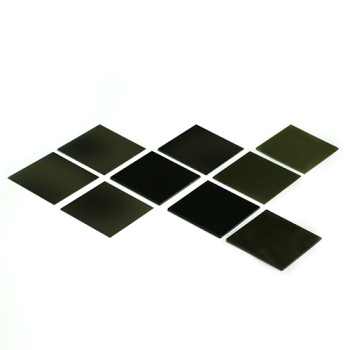
Speed is not just about volume; it is about geometry. The high deposition rates allow for the feasible production of large or thick diamond plates. Achieving significant thickness using slower methods like Hot Filament CVD would often be prohibitively time-consuming for industrial scales.
Making the Right Choice for Your Goal
Selecting the correct deposition method depends entirely on your production requirements.
- If your primary focus is rapid industrial throughput: DC plasma jet is the optimal choice due to its high-velocity plasma flows and superior growth rates.
- If your primary focus is producing thick, robust plates: This technology is specifically suited to create large-scale dimensions that other methods cannot efficiently achieve.
By leveraging the high energy density of DC plasma jets, you move beyond experimental speeds into the realm of scalable manufacturing.
Summary Table:
| Deposition Method | Typical Growth Velocity | Energy Source | Ideal Application |
|---|---|---|---|
| DC Plasma Jet | Highest | High-density arc discharge | Industrial mass production & thick plates |
| Microwave Plasma | Moderate | Microwave radiation | High-purity electronic-grade diamonds |
| Hot Filament CVD | Lowest | Thermally activated filaments | Large-area thin films & basic coatings |
Accelerate Your Diamond Synthesis with KINTEK
Unlock the full potential of high-velocity deposition for your laboratory or industrial facility. KINTEK specializes in cutting-edge CVD systems, including high-performance MPCVD and DC plasma solutions, tailored to meet the most demanding growth rate requirements.
Whether you are developing thick diamond plates or specialized coatings, our comprehensive range of high-temperature furnaces, crushing systems, and precision hydraulic presses provides the end-to-end support your research needs. Maximize your throughput and achieve superior material thickness today.
Contact KINTEK Experts Now to find the perfect deposition solution for your specific application.
References
- Roland Haubner. Low-pressure diamond: from the unbelievable to technical products. DOI: 10.1007/s40828-021-00136-z
This article is also based on technical information from Kintek Solution Knowledge Base .
Related Products
- 915MHz MPCVD Diamond Machine Microwave Plasma Chemical Vapor Deposition System Reactor
- Microwave Plasma Chemical Vapor Deposition MPCVD Machine System Reactor for Lab and Diamond Growth
- Cylindrical Resonator MPCVD Machine System Reactor for Microwave Plasma Chemical Vapor Deposition and Lab Diamond Growth
- CVD Diamond Dressing Tools for Precision Applications
- HFCVD Machine System Equipment for Drawing Die Nano-Diamond Coating
People Also Ask
- How does a microwave plasma reactor facilitate the synthesis of diamond? Master MPCVD with Precision Technology
- What are the advantages of a Microwave Plasma CVD reactor for MCD/NCD coatings? Precision Multilayer Diamond Engineering
- How do vacuum pumps and valves collaborate in MPCVD? Achieve Precise Pressure Control for Superior CNT Synthesis
- What are the primary advantages of the CVD method for growing diamonds? Engineering High-Purity Gems and Components
- How is a diamond formed from CVD? The Science of Growing Diamonds Atom by Atom