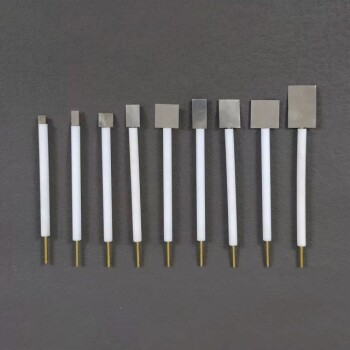
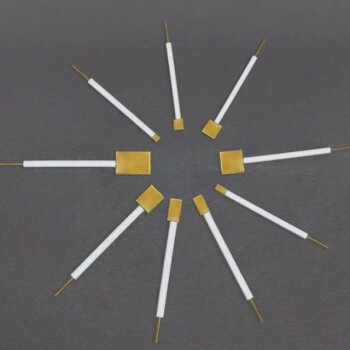
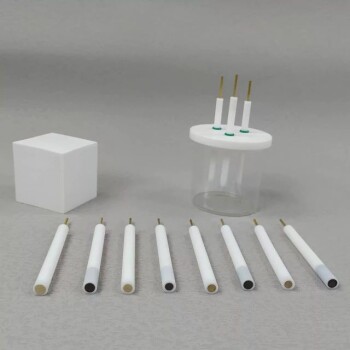
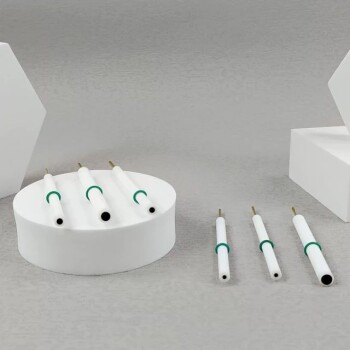
The Iridium-Tantalum-Titanium (Ir-Ta-Ti) Oxygen Evolution Electrode is specifically engineered for electrolytic environments containing oxyanions, such as sulfates (SO₄²⁻) and carbonates (CO₃²⁻). This electrode is a critical component in heavy industrial processes ranging from organic electrosynthesis and wastewater treatment to high-precision metal plating and cathodic protection.
Core Insight Unlike electrodes designed for chlorine environments, the Ir-Ta-Ti electrode is optimized for high oxygen evolution efficiency in acidic or alkaline media. Its high electrocatalytic activity and ability to handle large current densities make it the standard choice for processes requiring rapid oxidation without contaminating the electrolytic medium.
Industrial Manufacturing Applications
Metal Finishing and Plating
One of the primary applications for this electrode is in the surface treatment of metals. It is extensively used in chromium plating and the production of electrolytic copper foil, which is essential for the treatment of PCB (Printed Circuit Board) etching solutions.
Electrometallurgy
The electrode serves a vital role in electrometallurgy, the process of extracting metals from their ores using electrolysis. Its high corrosion resistance ensures stability even during the intense chemical reactions required to isolate pure metals.
Cathodic Protection
To prevent corrosion in other metal structures, Ir-Ta-Ti electrodes are employed in cathodic protection systems. By acting as the anode, they divert corrosive oxidation away from the protected structure, significantly extending the lifespan of critical infrastructure.
Environmental and Chemical Processing
Specialized Wastewater Treatment
These electrodes are highly effective in treating complex waste streams. Key applications include the treatment of oily wastewater and acidic wastewater. The high oxidation activity helps break down organic contaminants and neutralize hazardous compounds.
Organic Electrosynthesis
In chemical manufacturing, the electrode is used for organic electrosynthesis. This involves using electrical energy to drive chemical reactions that create organic compounds, leveraging the electrode's ability to maintain a stable oxygen evolution potential.
Hydrogen and Electrodialysis
The technology supports HHO (oxyhydrogen) generators, which produce hydrogen gas for fuel or industrial use. Additionally, it is applied in electrodialysis, a membrane process used to transport ions from one solution to another under an electric field, often for desalination or chemical purification.
Understanding the Trade-offs
The Importance of Chemical Environment
It is critical to match the electrode to the correct medium. The Ir-Ta-Ti electrode is designed specifically for Oxygen Evolution in environments rich in oxyanions (e.g., SO₄²⁻).
If your environment is dominated by chloride ions (e.g., NaCl, KCl), this is not the correct tool. In chloride environments, a Ruthenium-Iridium-Titanium electrode is required for Chlorine Evolution. Using the wrong electrode type will lead to poor efficiency and rapid coating failure.
Operational Limits
While robust, this electrode has specific operational parameters. It is generally rated for current densities of less than 15,000 A/m². Exceeding this limit can degrade the coating prematurely. However, once the active coating is exhausted, the high-purity titanium substrate can often be reused and recoated, mitigating long-term costs.
Making the Right Choice for Your Project
The suitability of the Iridium-Tantalum-Titanium electrode depends entirely on your specific electrolyte composition and production goals.
- If your primary focus is Metal Plating or PCB Manufacturing: Choose this electrode for its ability to support high-quality electrolytic copper foil treatment and chromium plating without introducing impurities.
- If your primary focus is Environmental Compliance: Use this for treating acidic or oily wastewater, as its high electrocatalytic oxidation activity effectively degrades pollutants.
- If your primary focus is Chemical Synthesis: Select this for organic electrosynthesis or HHO generation, provided your electrolyte is sulfate- or carbonate-based rather than chloride-based.
Ultimately, this electrode is the definitive solution for high-current oxygen evolution processes where coating stability and medium purity are paramount.
Summary Table:
| Application Field | Key Process/Task | Benefit of Ir-Ta-Ti Electrode |
|---|---|---|
| Metal Finishing | Chromium plating & copper foil production | High-quality treatment & PCB etching stability |
| Environmental | Oily & acidic wastewater treatment | High oxidation activity to break down organic pollutants |
| Electrometallurgy | Metal extraction from ores | Corrosion resistance during intense electrolysis |
| Energy & Gas | HHO generators & hydrogen production | Stable oxygen evolution in sulfate/carbonate media |
| Infrastructure | Cathodic protection | Prevents corrosion by acting as a durable anode |
| Chemical Industry | Organic electrosynthesis | Precise control of electrical energy for reactions |
Optimize Your Electrolytic Processes with KINTEK
Are you looking to enhance the efficiency of your metal plating, wastewater treatment, or chemical synthesis? KINTEK specializes in high-performance laboratory equipment and industrial consumables. Our Iridium-Tantalum-Titanium electrodes are engineered for durability and precision in demanding oxygen evolution environments.
Beyond specialized electrodes, KINTEK offers a comprehensive range of solutions for researchers and industrial operators, including:
- Electrochemical Tools: High-quality electrolytic cells and electrodes.
- High-Temperature Processing: Muffle, tube, and vacuum furnaces.
- Sample Preparation: Crushing, milling, and hydraulic pellet presses.
- Advanced Reactors: High-temperature high-pressure reactors and autoclaves.
Maximize your lab's productivity today. Contact our technical experts to find the perfect equipment tailored to your specific chemical environment and production goals!
Related Products
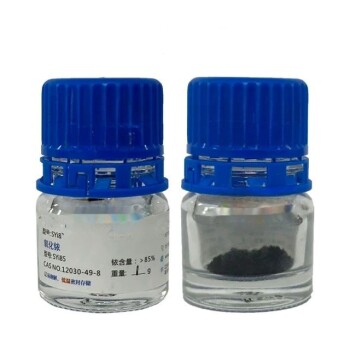
- Iridium Dioxide IrO2 for Water Electrolysis
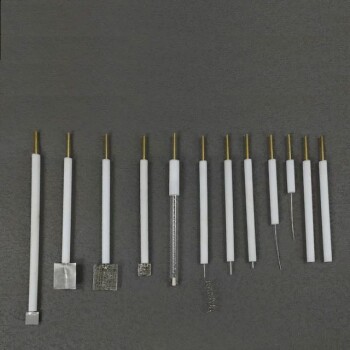
- Platinum Auxiliary Electrode for Laboratory Use
- Gold Disc Electrode
- Rotating Platinum Disk Electrode for Electrochemical Applications
- Platinum Sheet Electrode for Laboratory and Industrial Applications
People Also Ask
- What advantages does supercritical fluid technology provide for Iridium catalysts? Achieve Precision Nano-Synthesis
- What are the different types of catalysts used in pyrolysis? A Guide to Optimizing Biomass Conversion
- How does catalyst work in pyrolysis? A Guide to Efficient and Selective Fuel Production
- Which catalyst is used in pyrolysis process? Choosing the Right Catalyst for Your Feedstock
- What is the best catalyst for pyrolysis? A Strategic Guide to Maximizing Bio-Oil Quality and Yield