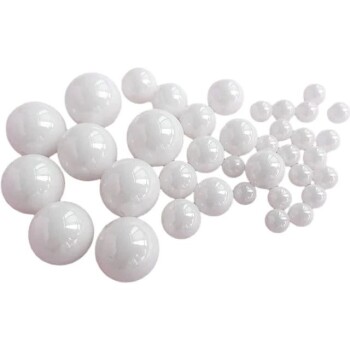
Zirconia (ZrO2) milling media is the definitive choice for preparing sulfide solid-state electrolytes because it provides a chemically inert environment capable of withstanding high-energy processing. By using zirconia jars and balls, you effectively eliminate the risk of metallic contamination while ensuring the mechanical intensity required to drive the mechanochemical synthesis of these highly sensitive materials.
The Bottom Line Sulfide electrolytes are exceptionally reactive and prone to degradation from moisture and metallic impurities. Zirconia offers a unique combination of extreme hardness and chemical inertness, ensuring that the necessary high-energy milling synthesizes the material without compromising its ionic conductivity or electrochemical stability.
Preserving Chemical Purity
The primary challenge in synthesizing sulfide electrolytes is their extreme sensitivity. Zirconia addresses this by acting as a neutral, non-reactive barrier during synthesis.
Preventing Metallic Contamination
Standard stainless steel milling media sheds microscopic amounts of iron during high-impact milling. Zirconia is chemically inert, preventing the introduction of metallic impurities that would otherwise degrade the electrolyte's performance.
Maintaining Electrochemical Stability
Sulfide precursors are highly active and can react with improper grinding media. Zirconia’s inert surface ensures that no side reactions occur between the media and the powder, preserving the chemical composition required for high ionic conductivity.
Optimizing Mechanochemical Synthesis
Sulfide electrolytes are often synthesized via mechanochemistry, which requires intense kinetic energy. Zirconia is physically suited to facilitate this efficient reaction.
Withstanding High-Energy Impact
The synthesis process involves prolonged, high-energy ball milling. Zirconia possesses exceptional hardness and wear resistance, allowing it to endure this physical stress without chipping or degrading into the sample.
Efficient Energy Transfer
Due to its high density and hardness, zirconia media delivers high impact energy to the precursor powders. This efficiency shortens the reaction time required to synthesize the sulfide glass electrolytes.
Controlling the Atmosphere
The physical properties of the milling jar are just as critical as the material itself when handling air-sensitive compounds.
preventing Hydrolysis and Oxidation
High-quality zirconia jars are designed to be hermetically sealed. This capability is essential for maintaining an inert argon gas environment inside the jar, preventing the moisture-sensitive sulfide electrolytes from degrading via hydrolysis or oxidation during the milling process.
Operational Considerations
While zirconia is the superior material for this application, success depends on the specific configuration of your milling setup.
The Necessity of the Seal
The material benefits of zirconia are nullified if the milling jar cannot maintain an inert atmosphere. Because sulfide electrolytes degrade instantly upon contact with moisture in the air, the sealing mechanism of the zirconia jar is as critical as the hardness of the ceramic itself.
Managing Impact Intensity
Zirconia is extremely hard, which is beneficial for synthesis but requires careful parameter selection. The high impact energy transfers significant heat and mechanical stress; therefore, milling protocols must be tuned to prevent overheating the sensitive sulfide compounds.
Making the Right Choice for Your Goal
When selecting milling equipment for solid-state battery research, align your choice with your specific performance metrics.
- If your primary focus is Ionic Conductivity: Prioritize high-purity zirconia to completely eliminate iron contamination, which blocks ionic pathways.
- If your primary focus is Process Consistency: Ensure your zirconia jars feature high-integrity seals to maintain a verified argon atmosphere throughout long milling durations.
Zirconia allows you to apply the aggressive mechanical force needed to create solid electrolytes while acting as a protective shield against the impurities that destroy them.
Summary Table:
| Feature | Benefit for Sulfide Electrolytes |
|---|---|
| Chemical Inertness | Prevents metallic contamination and side reactions |
| High Hardness | Withstands high-energy impacts without media degradation |
| High Density | Ensures efficient energy transfer for faster synthesis |
| Hermetic Sealing | Maintains inert atmosphere to prevent hydrolysis/oxidation |
| Wear Resistance | Guarantees long-term process consistency and material purity |
Elevate Your Solid-State Battery Research with KINTEK
Precision in material synthesis is the foundation of high-performance battery technology. KINTEK specializes in advanced laboratory equipment designed for the rigorous demands of solid-state electrolyte development.
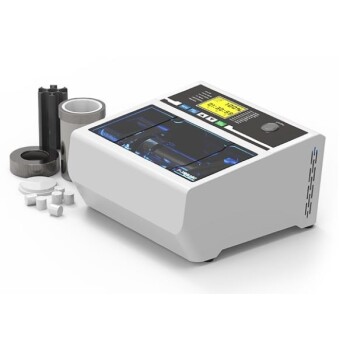
Our high-purity zirconia (ZrO2) milling jars and grinding balls provide the chemical inertness and mechanical strength required to synthesize sensitive sulfide electrolytes without contamination. Beyond milling, our comprehensive portfolio supports your entire workflow—from crushing and milling systems and hydraulic pellet presses for sample preparation to high-temperature vacuum furnaces and glovebox-compatible reactors for controlled synthesis.
Ready to optimize your electrolyte conductivity and process reliability? Contact our technical experts today to find the perfect milling and thermal solutions for your laboratory.
Related Products
- Laboratory Jar Ball Mill with Alumina Zirconia Grinding Jar and Balls
- Laboratory Jar Mill with Agate Grinding Jar and Balls
- Laboratory Ball Mill Jar Mill with Metal Alloy Grinding Jar and Balls
- Precision Machined Zirconia Ceramic Ball for Engineering Advanced Fine Ceramics
- Laboratory Four-Body Horizontal Jar Mill
People Also Ask
- What are the primary functions of using a ball mill for BZCY72 powder? Achieve High Purity and Enhanced Sintering
- In what way does a laboratory ball mill affect material properties when modifying PHBV/pulp fiber composites?
- Why is a laboratory ball mill required for ultra-fine fly ash? Unlock Nano-Scale Adsorption Power
- What is the function of a laboratory ball mill in the preparation of AMMCs? Optimize Dispersion & Grain Refinement
- What is the function of a laboratory ball mill in the pretreatment of waste tire char (WTC)? Optimize Material Reactivity