Vacuum filtration units and laboratory ovens act as the essential purification and stabilization stages in the synthesis of Polyvinyl Chloride/Graphene Oxide (PVC/GO) composite materials. Together, they transform the raw reaction mixture into a usable powder by physically separating solids from liquids and thermally removing volatile impurities that would otherwise compromise the material's structure.
Core Takeaway These instruments function as a rigorous two-step purification system: vacuum filtration handles the bulk physical separation and washing of the "white precipitate," while the laboratory oven performs the critical task of extracting deep-seated volatile organic compounds (VOCs) from the material's micropores to ensure permanent stability.
The Function of Vacuum Filtration
The vacuum filtration unit is the primary mechanism for isolating the solid composite from the liquid reaction medium. Its role goes beyond simple straining; it is a rapid purification step.
Rapid Phase Separation
During the synthesis of PVC/GO, a significant amount of white precipitate is formed.
Vacuum filtration applies negative pressure to pull the liquid through a filter medium quickly. This speed is essential for handling large volumes of precipitate that would be difficult or slow to separate using gravity filtration alone.
Removal of Surface Contaminants
Once the solid is isolated, the filtration unit serves as a washing station.
It allows for the efficient rinsing of the precipitate with deionized water. This step is critical for washing away residual solvents and unreacted additives adhering to the surface of the composite, ensuring the initial purity of the material before it enters the drying phase.
The Function of Laboratory Ovens
While filtration handles surface liquids, the laboratory oven addresses the internal structure of the material. This stage is not merely about drying; it is about chemical and physical stabilization.
Extraction of VOCs from Micropores
Surface drying is insufficient for high-performance composites.
The laboratory oven provides controlled heat treatment designed to drive out volatile organic compounds (VOCs) trapped within the material's micropores. Failure to remove these deep-seated volatiles can lead to structural defects or degradation over time.
Achieving Constant Weight
The goal of the oven process is to dry the product to a "constant weight."
This metric indicates that all moisture and solvents have been completely evaporated. Reaching this state is the only way to confirm that the material is fully processed and free of transient mass derived from solvents.
Ensuring Physicochemical Stability
The ultimate function of the heating process is to lock in the material's properties.
By thoroughly removing residuals, the oven ensures the stable physicochemical properties of the final PVC/GO composite microsphere powder. This prevents the material from reacting further or degrading due to trapped solvents.
Understanding the Trade-offs
When processing composite materials, the transition from filtration to drying involves critical variables that must be managed to avoid damaging the product.
The Risk of Incomplete Drying
If the oven cycle is terminated too early, residual VOCs remain in the micropores.
This does not just affect the weight; it can destabilize the chemical structure of the composite, leading to poor performance in its final application.
Thermal Sensitivity and Oxidation
While heat is necessary for drying, excessive heat can be detrimental.
As noted in broader composite processing (such as with MoS2/graphene), materials can be sensitive to oxidation. Controlled temperature regulation in the oven is vital to remove solvents without triggering thermal degradation or oxidation of the graphene oxide components.
Making the Right Choice for Your Process
To optimize the quality of your PVC/GO composite powder, focus your attention on the specific function of each stage based on your immediate goal.
- If your primary focus is Purity: Prioritize the vacuum filtration wash cycles. thorough washing with deionized water here is the only way to prevent unreacted additives from carrying over into the drying stage.
- If your primary focus is Long-Term Stability: Focus on the oven residence time and temperature. You must ensure the material reaches a true constant weight to guarantee that micropores are free of VOCs.
Precise control over these separation and thermal treatment stages is what transforms a raw reaction byproduct into a reliable, high-performance composite material.
Summary Table:
| Process Stage | Equipment | Primary Function | Key Outcome |
|---|---|---|---|
| Phase Separation | Vacuum Filtration Unit | Rapidly isolates solid precipitate from liquid | High-efficiency recovery of raw composite |
| Surface Purification | Vacuum Filtration Unit | Rinsing with deionized water | Removal of residual solvents and unreacted additives |
| Deep Purification | Laboratory Oven | Thermal extraction of VOCs from micropores | Elimination of deep-seated volatile organic compounds |
| Final Stabilization | Laboratory Oven | Drying to a constant weight | Ensures long-term physicochemical stability & performance |
Elevate Your Composite Synthesis with KINTEK
Precision is non-negotiable when processing high-performance materials like PVC/GO. KINTEK specializes in advanced laboratory equipment designed to meet the rigorous demands of material science. From high-efficiency vacuum filtration units for rapid purification to precision laboratory ovens that ensure total VOC removal, we provide the tools you need for consistent, high-quality results.
Our extensive portfolio also includes:
- High-Temperature Furnaces: Muffle, tube, and vacuum furnaces for critical heat treatments.
- Crushing & Milling: Systems designed for uniform material preparation.
- Processing Solutions: Hydraulic presses, high-pressure reactors, and autoclaves for advanced synthesis.
Ready to optimize your lab's efficiency? Contact KINTEK today to discover how our tailored equipment solutions can enhance your research and production outcomes.
References
- M. Baibarac, Lucian Baia. Poly(Vinyl Chloride) Spheres Coated with Graphene Oxide Sheets: From Synthesis to Optical Properties and Their Applications as Flame-Retardant Agents. DOI: 10.3390/polym13040565
This article is also based on technical information from Kintek Solution Knowledge Base .
Related Products
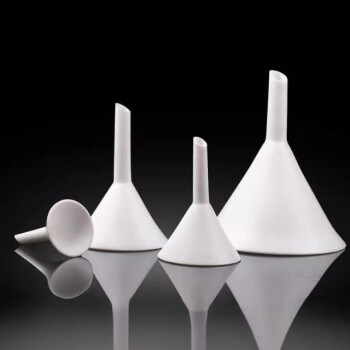
- Custom PTFE Teflon Parts Manufacturer for PTFE Buchner Funnel and Triangular Funnel
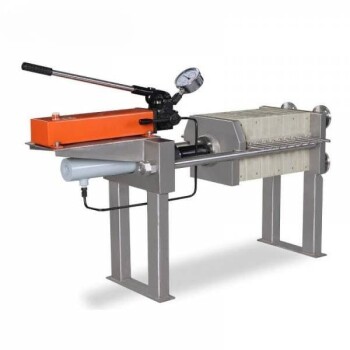
- Hydraulic Diaphragm Lab Filter Press for Laboratory Filtration
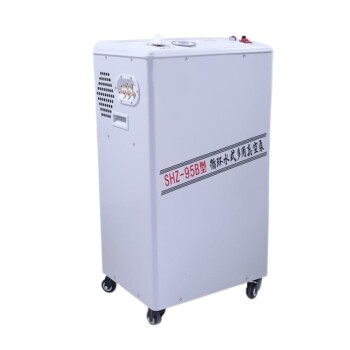
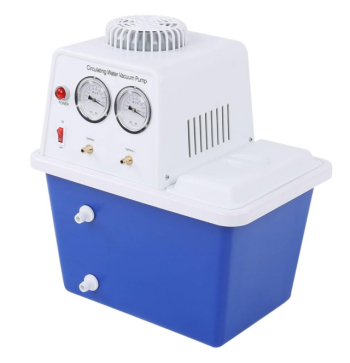
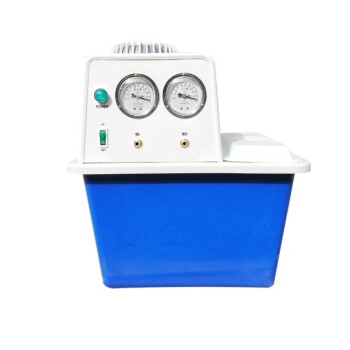
- Laboratory Vertical Water Circulating Vacuum Pump for Lab Use
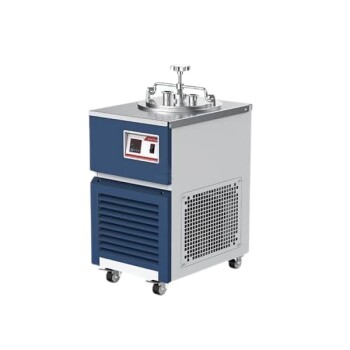
- Vacuum Cold Trap Direct Cold Trap Chiller
- Circulating Water Vacuum Pump for Laboratory and Industrial Use
People Also Ask
- What are the advantages of using PTFE filters for ionic component analysis? Ensure Accurate Sample Quantification
- Is PTFE corrosion resistant? Discover the Ultimate Chemical Resistance for Your Lab
- How is PTFE utilized for insulation in Alloy 22 corrosion setups? Ensure Signal Purity & Accuracy
- What are the specific applications of PTFE in micro-batch slug flow systems? Enhance Your Microfluidic Reaction Purity
- Why are porous ceramic filters utilized in methane pyrolysis? Protect Your Assets with High-Precision Filtration