The primary benefits of using zirconia grinding tools for mixing LiCoO2 cathode materials and LATP solid electrolyte powders are their exceptional hardness and chemical inertness. By utilizing zirconia jars and balls, you effectively prevent the introduction of metallic wear impurities—specifically iron contamination—that typically occur with steel media, ensuring the material retains the high purity necessary for valid electrochemical evaluation.
Core Takeaway The choice of zirconia over metallic grinding media is a contamination-control strategy essential for all-solid-state battery research. It ensures that the resulting electrochemical performance is attributed solely to the active materials (LiCoO2 and LATP), eliminating variables introduced by conductive metallic pollutants.
Preserving Chemical Integrity
The most critical function of zirconia in this specific application is acting as a barrier against contamination.
Eliminating Metallic Impurities
Standard stainless steel grinding media will degrade during high-energy milling, shedding microscopic particles of iron and chromium into your powder mixture. Zirconia is chemically inert and does not introduce these metallic contaminants.
Preventing Side Reactions
Metallic impurities are electrically conductive and chemically active. If introduced into the LiCoO2/LATP mixture, they can trigger unwanted side reactions or even internal short circuits during battery operation. Zirconia ensures the chemical environment remains stable and predictable.
Ensuring Accurate Evaluation
For research involving LiCoO2 and LATP, the goal is often to assess the intrinsic properties of the composite. High-purity mixing guarantees that any observed performance metrics—such as capacity or cycling stability—are genuine material properties, not artifacts of foreign contamination.
Mechanical Superiority in Milling
Beyond purity, the physical properties of zirconia make it uniquely cleaner and more efficient for processing hard ceramic powders.
Exceptional Wear Resistance
LiCoO2 and LATP are hard materials that require significant energy to mix or pulverize. Zirconia possesses extreme hardness, allowing it to withstand long-duration, high-speed impact without significant wear or mass loss.
High Impact Energy
Zirconia has a high density, which translates to greater kinetic energy during the ball milling process. This allows for efficient refining of particle sizes (potentially down to the micrometer level) and promotes better contact between the cathode and electrolyte particles without the risk of media degradation.
Understanding the Trade-offs
While zirconia is the technical standard for high-purity battery materials, it requires careful handling.
Thermal Insulation
Zirconia is a ceramic and has lower thermal conductivity than steel. During high-energy milling, heat generated inside the jar dissipates more slowly, which may require pause intervals in your protocol to prevent overheating sensitive materials.
Brittleness and Cost
Unlike steel, zirconia is brittle. Dropping a zirconia grinding jar or subjecting it to thermal shock can cause it to crack or shatter. Additionally, zirconia media is significantly more expensive than stainless steel, representing a higher upfront investment for the laboratory.
Making the Right Choice for Your Goal
To select the correct equipment for your specific stage of research, consider the following:
- If your primary focus is electrochemical accuracy: Use high-grade zirconia exclusively to eliminate the variable of metallic contamination, which is critical for publishing valid data.
- If your primary focus is particle size reduction: Leverage the high density of zirconia balls to maximize impact energy and achieve finer powders more efficiently than lower-density ceramics like alumina.
- If your primary focus is budget prototyping: You may use steel for initial bulk sizing, but you must switch to zirconia for the final mixing stage to ensure the chemical viability of the cell.
Using zirconia is the definitive method for ensuring that your LiCoO2 and LATP composite materials meet the rigorous purity standards required for high-performance solid-state batteries.
Summary Table:
| Feature | Zirconia Grinding Tools | Impact on LiCoO2/LATP Research |
|---|---|---|
| Contamination Control | Zero metallic wear (Fe/Cr-free) | Prevents side reactions and internal short circuits. |
| Material Hardness | Extremely high wear resistance | Withstands high-energy milling without media degradation. |
| Density | High kinetic energy | Achieves superior particle size reduction and contact. |
| Chemical Inertness | Non-reactive ceramic | Ensures electrochemical data reflects intrinsic material properties. |
| Thermal Property | Low thermal conductivity | Requires cooling intervals to protect heat-sensitive samples. |
Elevate Your Battery Research with KINTEK Precision
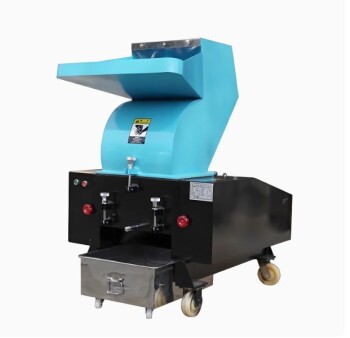
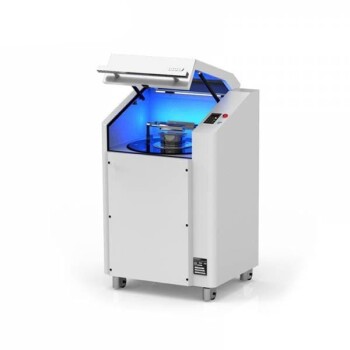
Don't let metallic contamination compromise your electrochemical results. KINTEK specializes in high-performance laboratory equipment designed for the rigorous demands of solid-state battery research. From high-density zirconia jars and grinding media to our advanced crushing and milling systems, we provide the purity and efficiency your LiCoO2 and LATP projects require.
Our extensive portfolio also includes:
- High-Temperature Furnaces (Muffle, Tube, Vacuum, CVD) for material synthesis.
- Hydraulic Presses (Pellet, Hot, Isostatic) for high-quality electrode preparation.
- Battery Research Tools and essential consumables like PTFE and ceramics.
Ready to achieve superior material integrity? Contact KINTEK today to discuss your specific application and find the perfect equipment solution for your lab!
Related Products
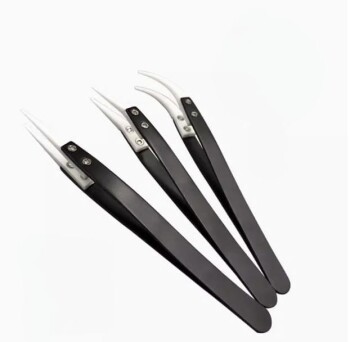
- Engineering Advanced Fine Ceramics Head Tweezers with Pointed Elbow Zirconia Ceramic Tip
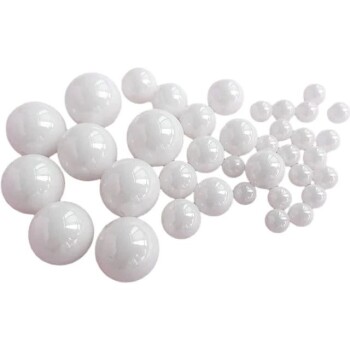
- Precision Machined Zirconia Ceramic Ball for Engineering Advanced Fine Ceramics
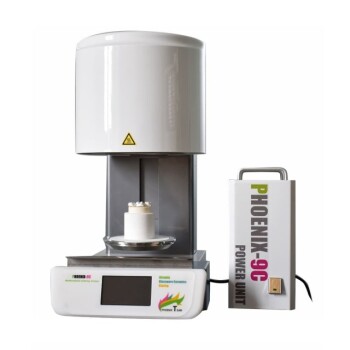
- Dental Porcelain Zirconia Sintering Ceramic Vacuum Press Furnace
- Dental Porcelain Zirconia Sintering Ceramic Furnace Chairside with Transformer
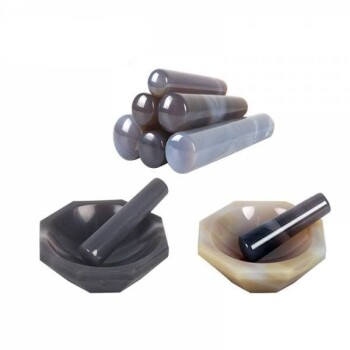
- Nature Agate Mortar and Pestle for Grinding and Mixing
People Also Ask
- What are the applications of zirconia ceramics? Unlock High-Performance Solutions for Extreme Environments
- What is a stainless steel micro spatula used for in polishing? Achieve Contamination-Free, High-Precision Finishes
- What are the failures of zirconia? Avoid Fracture and Debonding with Proper Protocol
- What is the strongest type of zirconia? A Guide to Choosing the Right Dental Zirconia
- What is the main disadvantage of zirconia? Balancing Strength, Aesthetics, and Tooth Wear