The selection of Teflon (PTFE) coated molds is driven fundamentally by the material's exceptional chemical inertness and extremely low surface energy. For non-isocyanate polyurethane (NIPU) specimens, these properties are critical to prevent the cross-linked polymer network from bonding to the mold walls during rigorous curing cycles, specifically those involving temperatures of 80 °C for durations up to 48 hours.
The primary value of PTFE in this context is the preservation of specimen integrity. By eliminating adhesion during the curing phase, PTFE ensures that NIPU samples maintain the precise geometric shape required for valid mechanical testing standards, such as ASTM D-638 Type V.
The Mechanism of Demolding Success
Overcoming High-Temperature Adhesion
NIPU formation involves a cross-linking process that naturally tends to adhere to surrounding surfaces. Teflon (PTFE) possesses extremely low surface energy, which creates a "non-stick" interface between the mold and the polymer.
Without this low-energy barrier, the NIPU would bond to the mold during the long curing phase (48 hours). This bonding would make intact removal nearly impossible, resulting in fractured or warped samples.
Chemical Inertness Under Thermal Stress
The curing process for NIPU requires sustained heat (80 °C). Under these conditions, reactive mold materials could interfere with the polymerization process or degrade.
PTFE is chosen for its chemical inertness, meaning it remains stable and unreactive even when exposed to the chemical precursors of the polyurethane at elevated temperatures. This ensures the chemical composition of the specimen remains pure and unaltered by the mold interface.
Impact on Mechanical Testing Standards
Ensuring Geometric Fidelity
To perform accurate mechanical property evaluations, specimens must adhere to strict dimensional standards, such as ASTM D-638 Type V.
PTFE coatings ensure that the intricate "dog-bone" shapes typical of these standards are preserved perfectly upon demolding. Any adhesion to the mold wall would distort the dimensions, rendering the specimen non-compliant and the resulting data invalid.
Preventing Stress Concentrations
Even minor surface imperfections caused by sticking can introduce "stress concentrations"—weak points where the material will fail prematurely under load.
By facilitating a smooth release, PTFE ensures the specimen surfaces are uniform and the edges are intact. This allows researchers to measure the true mechanical properties of the NIPU material, rather than measuring the failure point of a manufacturing defect.
Understanding the Trade-offs
Durability of the Coating
While PTFE offers superior release properties, the coating itself is relatively soft compared to metal. It is susceptible to scratching or abrasion if handled roughly during cleaning or demolding.
Once the PTFE layer is compromised, the underlying substrate is exposed, which can lead to localized sticking and specimen damage.
Thermal Conductivity Considerations
PTFE is a thermal insulator. While a thin coating on a metal mold has a negligible effect, a thick PTFE layer could theoretically alter the heat transfer rate during the 80 °C curing cycle.
However, in the context of coated molds, the primary structural material (usually metal) dominates the thermal transfer, mitigating this issue while retaining the surface benefits of Teflon.
Making the Right Choice for Your Goal
To ensure your NIPU specimens yield valid, reproducible data, consider your specific testing objectives:
- If your primary focus is Standardized Mechanical Testing (ASTM): Rely on PTFE coatings to strictly maintain the specific geometries (e.g., Type V) required for tensile strength and elongation measurements.
- If your primary focus is Material Purity: Use PTFE to guarantee that the surface chemistry of your polymer is not altered by reactions with the mold material during long heat cycles.
By prioritizing mold surface chemistry, you transform the curing process from a potential failure point into a controlled, reliable step in your material characterization workflow.
Summary Table:
| Feature | Benefit for NIPU Specimens | Why It Matters |
|---|---|---|
| Low Surface Energy | Non-stick interface | Prevents bonding during 48h curing cycles; ensures easy demolding. |
| Chemical Inertness | Zero material reaction | Maintains polymer purity and prevents interference with cross-linking. |
| Thermal Stability | Resists 80 °C heat | Ensures the mold coating remains stable and effective during long heat cycles. |
| Geometric Fidelity | Preservation of shape | Guarantees compliance with mechanical standards like ASTM D-638 Type V. |
Maximize Your Material Research Precision with KINTEK
Don't let mold adhesion compromise your research data. KINTEK specializes in high-performance laboratory solutions, providing the essential tools required for advanced polymer science and material characterization.
Whether you are preparing NIPU specimens or conducting high-temperature synthesis, our comprehensive portfolio—including PTFE consumables, high-temperature furnaces, and specialized hydraulic presses—is designed to meet the most rigorous ASTM standards.
Ready to elevate your lab's efficiency and specimen quality? Contact KINTEK today for expert guidance and premium laboratory equipment.
References
- Ga Ram Lee, Sung Chul Hong. Preparation of Non-Isocyanate Polyurethanes from Mixed Cyclic-Carbonated Compounds: Soybean Oil and CO2-Based Poly(ether carbonate). DOI: 10.3390/polym16081171
This article is also based on technical information from Kintek Solution Knowledge Base .
Related Products
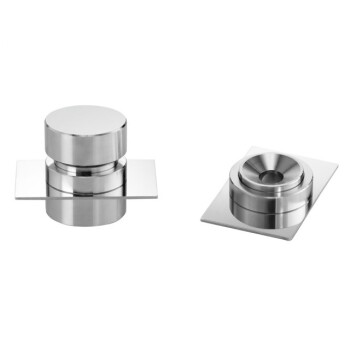
- No Demolding Lab Infrared Press Mold for Laboratory Applications
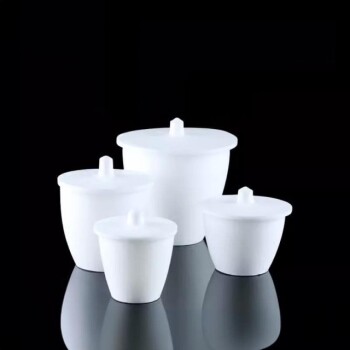
- Custom Machined and Molded PTFE Teflon Parts Manufacturer with PTFE Crucible and Lid
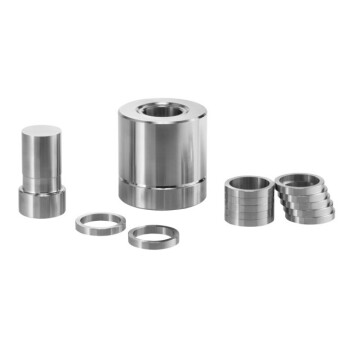
- XRF & KBR steel ring lab Powder Pellet Pressing Mold for FTIR
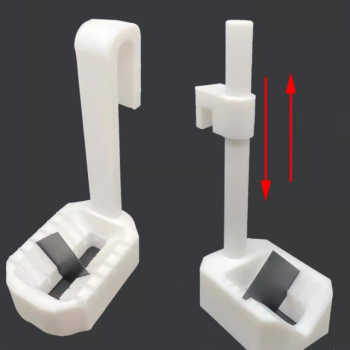
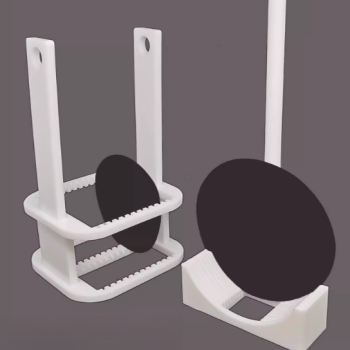
- Custom PTFE Wafer Holders for Lab and Semiconductor Processing
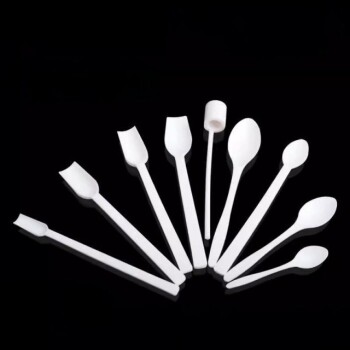
- Custom PTFE Teflon Parts Manufacturer for Sampling Solution Sample and Dry Powder Spoons
People Also Ask
- What is the process of mold press? A Step-by-Step Guide to Compression Molding
- What is the primary function of mold pressing for LAGP powders? Achieve High-Performance Solid Electrolytes
- How to use a press mold? Master the Art of Creating Consistent Ceramic Forms
- What is the press mould method? A Guide to Consistent, Detailed Ceramic Forms
- What is a laboratory press? Achieve Precise Sample Preparation for Reliable Analysis