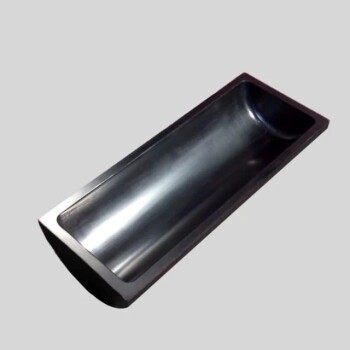
Steel crucibles and protective atmospheres provide the critical stability required to process highly reactive Magnesium-Silver (Mg-Ag) alloys. The steel crucible serves as a robust containment vessel designed to withstand the intense chemical activity of molten magnesium, while the protective gas mixture isolates the melt from oxygen. Together, these systems prevent the magnesium from burning and ensure the final alloy retains its precise chemical composition.
The processing of magnesium alloys hinges on neutralizing the metal's extreme reactivity. By combining a chemically resistant steel vessel with an Argon/Sulfur Hexafluoride gas shield, you prevent oxidative combustion and ensure the purity of the final material.
The Role of the Containment Vessel
Withstanding Chemical Aggression
Magnesium is highly active chemically, especially when molten. A standard crucible might degrade or react with the melt, introducing impurities or failing structurally.
Stability of Steel
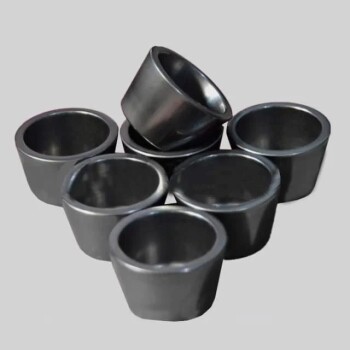
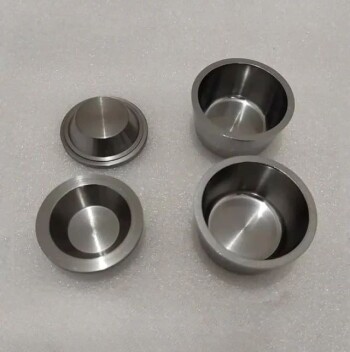
Steel crucibles are specifically selected for this application because of their ability to resist this high-temperature chemical activity. They provide a stable environment that contains the melt without degrading under the specific conditions required for fusing magnesium and silver.
The Function of the Protective Atmosphere
Isolating the Melt
The primary threat to a magnesium melt is oxygen. To neutralize this threat, a specialized atmosphere system is employed using a mixture of Argon (Ar) and Sulfur Hexafluoride (SF6).
Preventing Combustion
Magnesium has a low ignition temperature and burns violently in the presence of oxygen. The gas mixture acts as a barrier, effectively isolating the molten pool from the ambient air. This prevents the magnesium from undergoing oxidative burning or combustion during the melting phase.
Ensuring Compositional Accuracy
When magnesium burns, it turns into oxide and is lost from the metallic mix. By preventing this oxidation, the protective atmosphere ensures that the amount of magnesium remains constant. This preserves the accuracy of the melt’s chemical composition, ensuring the final Mg-Ag ratio is exactly as intended.
Understanding the Risks and Trade-offs
The Consequence of Atmosphere Failure
If the protective gas mixture is unbalanced or interrupted, the protection is lost almost immediately. This can lead to rapid oxidation, creating slag inclusions that ruin the alloy's mechanical properties.
Material Compatibility
While steel is effective for specific Mg-Ag processes, the choice of crucible material is never universal. Using the wrong grade of steel or an incompatible alternative can lead to iron pickup in the alloy, which is a detrimental impurity for many magnesium applications.
Making the Right Choice for Your Goal
To ensure the successful preparation of Magnesium-Silver alloys, consider the following:
- If your primary focus is Safety: Ensure the Argon/SF6 delivery system has redundant flow controls to prevent catastrophic combustion of the magnesium.
- If your primary focus is Alloy Precision: Monitor the integrity of the steel crucible lining to prevent trace elements from leaching into and altering the melt's chemical profile.
Controlled isolation is the only path to a pure magnesium alloy.
Summary Table:
| Component | Primary Function | Key Benefit |
|---|---|---|
| Steel Crucible | Chemical Containment | Resists high-temperature magnesium aggression & prevents structural failure |
| Argon/SF6 Gas | Atmospheric Isolation | Prevents oxidative combustion by shielding the melt from oxygen |
| Process Control | Compositional Stability | Ensures accurate Mg-Ag ratios and prevents slag inclusions |
Precision Casting Starts with KINTEK
Mastering highly reactive alloys like Magnesium-Silver requires more than just technique—it demands the right equipment. KINTEK specializes in advanced laboratory solutions designed for extreme thermal environments. From durable high-temperature crucibles and atmosphere-controlled furnaces to our precision induction melting systems and high-pressure reactors, we provide the tools researchers need to ensure safety and alloy purity.
Whether you are developing new aerospace materials or conducting battery research, our comprehensive range of crushing, milling, and hydraulic press systems supports every stage of your material preparation.
Enhance your metallurgical results today. Contact KINTEK for expert guidance and specialized equipment.
References
- Di Tie, Regine Willumeit‐Römer. Antibacterial biodegradable Mg-Ag alloys. DOI: 10.22203/ecm.v025a20
This article is also based on technical information from Kintek Solution Knowledge Base .
Related Products
- High Purity Pure Graphite Crucible for Electron Beam Evaporation
- Electron Beam Evaporation Coating Tungsten Crucible and Molybdenum Crucible for High Temperature Applications
- High Purity Pure Graphite Crucible for Evaporation
- Custom Machined and Molded PTFE Teflon Parts Manufacturer with PTFE Crucible and Lid
- Electron Beam Evaporation Coating Gold Plating Tungsten Molybdenum Crucible for Evaporation
People Also Ask
- What is the container that holds the metal source material called in e-beam evaporation? Ensure Purity and Quality in Your Thin-Film Deposition
- What role do high-purity graphite crucibles play in molten salt corrosion research? Ensure Reactor-Grade Precision
- Why is a high-purity graphite crucible ideal for nitrogen-doped graphene at 1500 °C? Maximize Purity and Stability
- What dual roles do high-purity graphite crucibles play? Expert Insights into Fluoride Salt Testing
- What role does a high-purity graphite crucible play in CaO-MgO-Al2O3-SiO2 system equilibrium experiments? Maximize Accuracy