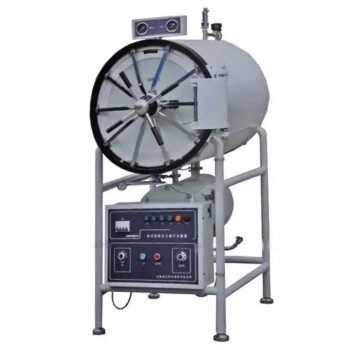
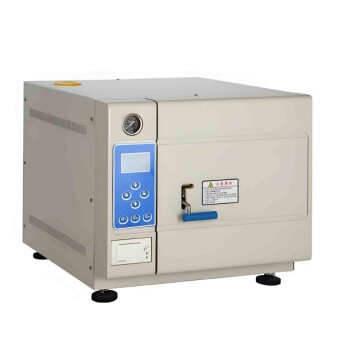
In the synthesis of cobalt-cerium-barium (CoCeBa) catalysts, the high-rate laboratory oven serves a critical function as a controlled drying environment. Specifically, it maintains a constant temperature—typically at 120 °C—to treat cobalt and cerium carbonate precipitates generated during the co-precipitation stage. Its primary mechanical role is the effective removal of physically adsorbed water from these precursor materials.
The laboratory oven acts as a vital bridge between wet synthesis and high-temperature activation. By thoroughly removing moisture at a moderate temperature, it stabilizes the precursor structure to ensure a smooth, uniform transformation into oxides during subsequent calcination.
The Role of Controlled Thermal Treatment
The preparation of a high-performance catalyst is a multi-stage process where each step builds upon the last. The laboratory oven dictates the quality of the transition from a wet precipitate to a solid catalyst precursor.
Removal of Adsorbed Moisture
Following the co-precipitation method, the resulting cobalt and cerium carbonate precipitates are saturated with moisture. The oven provides a stable thermal environment designed to evaporate this physically adsorbed water.
Establishing Structural Stability
Removing liquid solvents or water is not merely about drying; it is about stabilization. Just as drying carbon paper stabilizes nickel layers in other applications, drying CoCeBa precipitates prevents the components from shifting or detaching. This creates a stable foundation for the precursor before it is subjected to more aggressive thermal treatments.
Preparing for Phase Transformation
The oven does not merely dry the material; it prepares the chemical architecture for its final state.
Bridging the Gap to Calcination
The drying phase at 120 °C is a prerequisite for the calcination process, which typically occurs at much higher temperatures (e.g., 500 °C). Skipping this intermediate drying step or performing it unevenly can lead to rapid, uncontrolled vaporization during calcination, potentially damaging the catalyst's pore structure.
Facilitating Oxide Formation
The ultimate goal of the thermal treatment is to transform the precursor into a specific oxide mixture. The laboratory oven ensures that the precursor enters the calcination phase in a dry, uniform state, allowing for a smooth chemical transformation rather than a chaotic physical reaction to heat shock.
Understanding the Trade-offs
While the function of the oven seems straightforward, precision is required to avoid compromising the catalyst's potential.
The Risks of Temperature Variation
The oven must provide a constant temperature. Fluctuations below the target (120 °C) may leave residual moisture, leading to structural defects during calcination. Conversely, excessive heat at this stage could trigger premature chemical changes before the physical drying is complete.
The Limits of the Equipment
It is important to distinguish the oven's role from that of the reaction vessel. The oven is solely for post-synthesis thermal treatment; it does not control the stoichiometry or pH of the initial reaction (as a reactor would), but rather preserves the integrity of the precipitate formed during that reaction.
Making the Right Choice for Your Goal
To ensure your CoCeBa catalyst precursors achieve their maximum potential, align your thermal treatment strategy with your specific objectives.
- If your primary focus is structural integrity: Ensure the drying phase is long enough to remove all physically adsorbed water, preventing structural collapse during the 500 °C calcination.
- If your primary focus is chemical uniformity: Maintain strict temperature consistency at 120 °C to stabilize the cobalt and cerium carbonates without inducing premature phase changes.
Mastering the drying phase is the unsung key to unlocking consistent, high-activity catalyst performance.
Summary Table:
| Process Stage | Temperature | Primary Function | Impact on Catalyst |
|---|---|---|---|
| Drying (Oven) | 120 °C | Removal of physically adsorbed water | Stabilizes structure; prevents heat shock |
| Phase Transition | Intermediate | Prepares chemical architecture | Ensures uniform oxide formation |
| Calcination | ~500 °C | Transformation into oxide mixture | Finalizes catalytic activity and porosity |
Elevate Your Catalyst Synthesis with KINTEK Precision
Achieve uncompromising structural integrity in your CoCeBa catalyst precursors with KINTEK’s advanced thermal solutions. Beyond our precision laboratory ovens, KINTEK specializes in high-performance equipment for every stage of material research, including:
- High-Temperature High-Pressure Reactors & Autoclaves for co-precipitation.
- Muffle, Tube, and Vacuum Furnaces for precise calcination up to 1800°C.
- Crushing, Milling, and Pellet Presses for catalyst shaping.
- Crucibles and Ceramics for high-purity processing.
Don't let temperature fluctuations compromise your research. Contact KINTEK today to optimize your lab's workflow and discover why leading researchers trust us for their most critical thermal and material processing needs.
References
- Magdalena Zybert, Wioletta Raróg‐Pilecka. Stability Studies of Highly Active Cobalt Catalyst for the Ammonia Synthesis Process. DOI: 10.3390/en16237787
This article is also based on technical information from Kintek Solution Knowledge Base .
Related Products
- 1700℃ Muffle Oven Furnace for Laboratory
- 1200℃ Muffle Furnace Oven for Laboratory
- 1800℃ Muffle Oven Furnace for Laboratory
- 1400℃ Muffle Oven Furnace for Laboratory
- High Temperature Muffle Oven Furnace for Laboratory Debinding and Pre Sintering
People Also Ask
- Why is a laboratory high-temperature muffle furnace required for the post-annealing treatment of copper oxide?
- How does a muffle furnace ensure reliability in calcification roasting? Achieve Precision in Pellets Conversion
- What role does a laboratory high-temperature muffle furnace play in iron-based composite phase structure development?
- How does a muffle furnace influence 8YSZ ceramic densification? Master Precision Sintering at 1500°C
- How is a laboratory high-temperature muffle furnace utilized in sol-gel synthesis for perovskite catalysts?