The industrial grinder serves as the critical pre-processing unit in the pyrolysis of Polypropylene (PP) plastic waste. Its specific function is to mechanically refine pre-cleaned and sheared plastic into uniform particles measuring between 2 mm and 3 mm. This precise size reduction is a prerequisite for optimizing the thermodynamics of the subsequent chemical reaction.
Core Takeaway By reducing PP waste to a precise 2-3 mm particle size, the industrial grinder significantly increases the material's specific surface area. This physical transformation is the key driver for rapid and uniform heat transfer, which directly enhances the overall efficiency of the thermal cracking reaction inside the reactor.
The Physics of Particle Size Reduction
Increasing Specific Surface Area
The primary objective of the industrial grinder is to maximize the specific surface area of the plastic feedstock. Large or irregular pieces of plastic possess a low surface-area-to-volume ratio, which inhibits heat absorption.
By grinding the material down to 2-3 mm, you drastically increase the amount of material surface exposed to heat. This exposure is essential for initiating the thermal degradation process efficiently.
Ensuring Uniform Heat Transfer
In a pyrolysis system, consistency is paramount. The grinder ensures that every piece of feedstock entering the reactor is geometrically similar.
This uniformity eliminates "cold spots" or delayed melting. It guarantees that the heat transfer during the liquefaction phase is consistent across the entire batch of material.
Enhancing Reactor Performance
Accelerating the Liquefaction Phase
The pyrolysis reactor is designed to break down polymer chains into high-value products like oil-gas mixtures. However, this chemical breakdown cannot occur efficiently until the plastic changes state.
The 2-3 mm particles produced by the grinder allow the plastic to melt and liquefy rapidly. This speed is vital for maintaining the throughput of the reactor and ensuring the thermal cracking reaction proceeds without delay.
Supporting Thermal Cracking Efficiency
Thermal cracking is the process of breaking long polymer chains into smaller molecules. The efficiency of this reaction relies heavily on how quickly the material reaches the target temperature.
Because the grinder prepares the material for optimal heat absorption, the reactor requires less energy and time to achieve the necessary degradation temperatures. This directly contributes to higher overall system efficiency.
Operational Considerations and Trade-offs
The Necessity of Calibration
While grinding is essential, it introduces a requirement for strict mechanical maintenance. The benefits of the process are entirely dependent on the 2 mm to 3 mm tolerance.
If the grinder is poorly calibrated or the blades are dull, the particle size will vary. Inconsistent particle sizes will lead to uneven heating rates inside the reactor, negating the efficiency gains.
Impact on Downstream Processing
The grinder acts as the gatekeeper for the reactor's environment. The supplementary reference notes that the reactor must function as a sealed, oxygen-free chamber to prevent combustion.
Properly ground material packs more densely and feeds more consistently into the reactor. This helps maintain the sealed environment and supports the generation of consistent oil-gas mixtures and carbon black.
Optimizing Your Pyrolysis Workflow
To ensure your Polypropylene pyrolysis process yields the highest value, focus on the consistency of your feedstock preparation.
- If your primary focus is Thermal Efficiency: Strictly maintain your grinder to ensure particle output never exceeds the 3 mm threshold, maximizing heat transfer rates.
- If your primary focus is Product Consistency: Monitor the grinder's output for uniformity to ensure the reactor maintains a stable liquefaction phase, leading to predictable oil and gas yields.
The industrial grinder is not merely a crushing tool; it is the precision instrument that dictates the thermal success of the entire pyrolysis operation.
Summary Table:
| Feature | Specification/Benefit |
|---|---|
| Target Particle Size | 2 mm to 3 mm |
| Primary Function | Increase specific surface area for heat absorption |
| Reaction Impact | Accelerates liquefaction and thermal cracking |
| System Benefit | Eliminates cold spots and ensures uniform heat transfer |
| Downstream Effect | Supports consistent oil-gas and carbon black yields |
Maximize Your Pyrolysis Yield with KINTEK Precision
Ready to optimize your plastic-to-fuel conversion? KINTEK specializes in high-performance laboratory equipment and industrial solutions, including advanced crushing and milling systems designed to achieve the precise particle tolerances required for efficient pyrolysis.
Whether you are processing Polypropylene or developing new polymer recycling workflows, our team provides the expert tools—from high-temperature furnaces and reactors to hydraulic presses and cooling solutions—to ensure your research and production meet the highest standards.
Enhance your thermal efficiency and product consistency today. Contact our specialists now to find the perfect equipment for your lab!
References
- Moinuddin Sarker, Mohammed Molla. Alternative Diesel Grade Fuel Transformed from Polypropylene (PP) Municipal Waste Plastic Using Thermal Cracking with Fractional Column Distillation. DOI: 10.4236/epe.2012.43023
This article is also based on technical information from Kintek Solution Knowledge Base .
Related Products
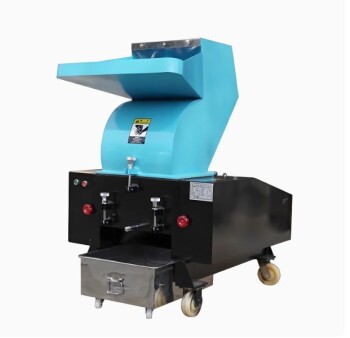
- Powerful Plastic Crusher Machine
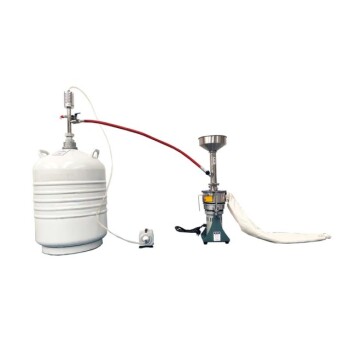
- lab cryogenic grinding use liquid-nitrogen for pulverizing plastic raw materials and heat sensitive materials
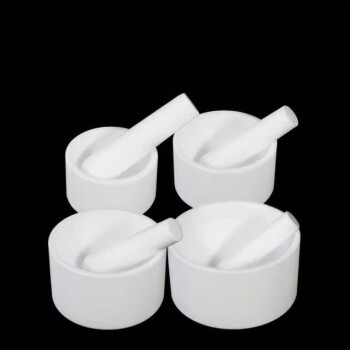
- Custom PTFE Teflon Parts Manufacturer Grinding Bowl
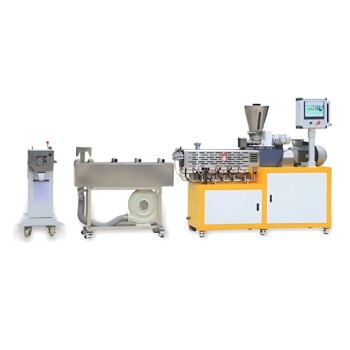
- Twin Screw Extruder Plastic Granulation Machine
- High Energy Planetary Ball Mill Milling Machine for Laboratory
People Also Ask
- What is the primary purpose of using an industrial-grade grinder for flax straw? Optimize Biomass Pretreatment Now
- What is the primary function of a crushing system? Optimize Rice Husk Fractionation with Precise Size Reduction
- What is the primary function of industrial crushers in battery dismantling? Optimize Your Recovery Feedstock
- What are the contaminants in plastic pyrolysis oil? Manage Impurities for Commercial Success
- Why is it necessary to use an ultrasonic cell disruptor before yeast flow cytometry? Ensure Data Accuracy