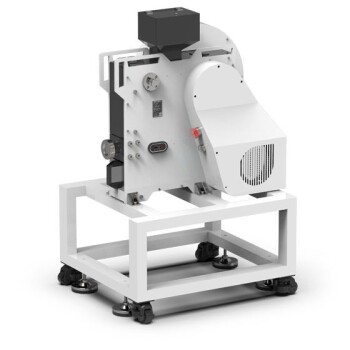
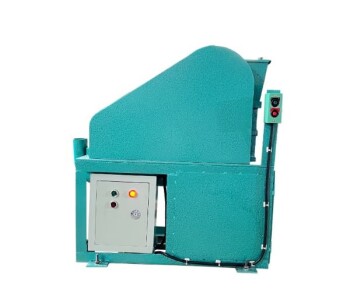
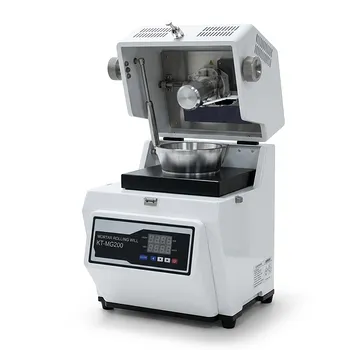
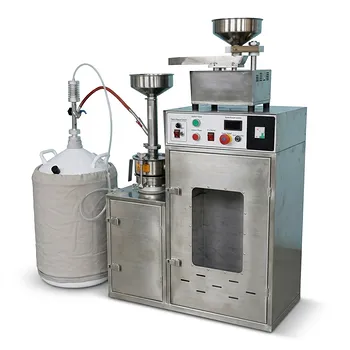
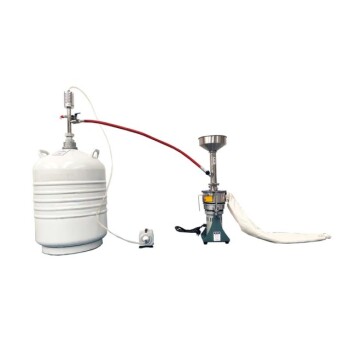
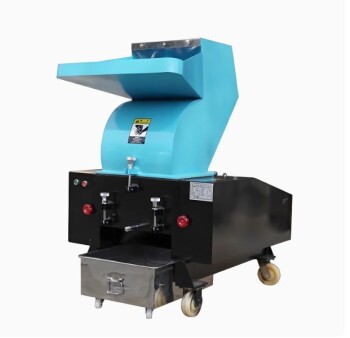
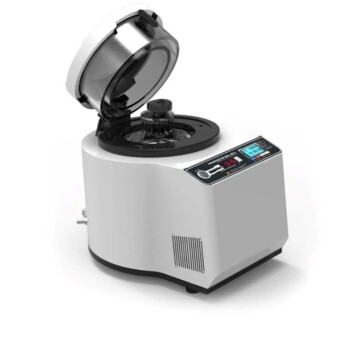
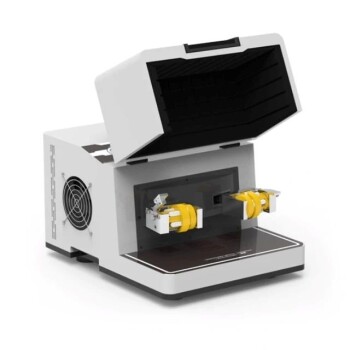
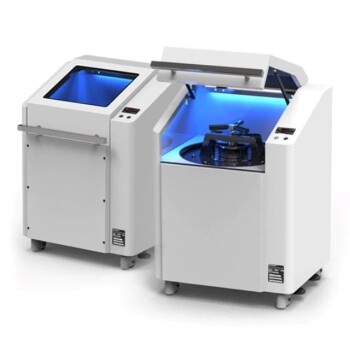
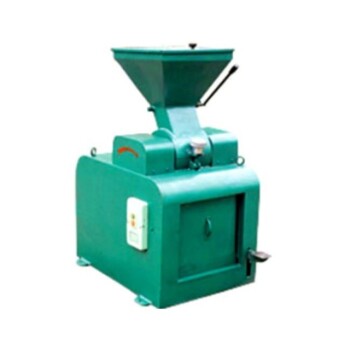
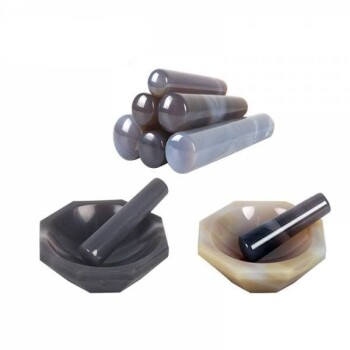
The primary function of multi-stage crushing and grinding equipment is to mechanically reduce raw biomass into fine powders with a particle size typically below 0.12 mm. This aggressive size reduction is the critical first step in drastically increasing the specific surface area of the material, which acts as the foundation for the entire hydrothermal treatment process.
By pulverizing biomass into microscopic particles, you ensure maximum contact with water. This physical transformation is the prerequisite for efficient heat transfer, rapid leaching of inorganic elements, and a consistently homogeneous final product.
The Mechanics of Size Reduction
Utilizing Multi-Stage Equipment
To achieve the necessary fineness, the pre-treatment phase employs a combination of robust machinery. This typically includes hammer mills, shredders, and laboratory fine grinders working in sequence.
Achieving the 0.12 mm Threshold
The specific goal of this machinery is to process biomass down to a size below 0.12 mm. Reaching this precise threshold is essential for preparing the material for the chemical and physical demands of the subsequent hydrothermal phase.
Maximizing Specific Surface Area
The reduction to fine powder creates a massive increase in the specific surface area of the biomass. This expanded surface area is the primary mechanism that enables the process efficiencies described below.
Why Surface Area Matters in Hydrothermal Treatment
Optimizing Material-Water Contact
Hydrothermal treatment relies on the interaction between the biomass and the water medium. The increased surface area ensures thorough contact between every particle of the raw material and the water.
Enhancing Heat Transfer Efficiency
With better contact comes superior thermal performance. The fine powder allows heat to permeate the biomass rapidly, leading to significantly improved heat transfer efficiency during the reaction.
Accelerating Inorganic Leaching
The exposed surface area facilitates the removal of unwanted components. The process promotes faster leaching rates of inorganic elements, allowing them to be separated from the biomass more effectively.
Common Pitfalls to Avoid
The Risk of Insufficient Grinding
A common mistake in pre-treatment is failing to reduce the particle size below the 0.12 mm target. If the particles remain too large, the specific surface area will be insufficient to support optimal reaction dynamics.
Compromising Homogeneity
The ultimate goal of this mechanical processing is a homogeneous treatment outcome. Inconsistent grinding or skipping stages leads to uneven heat distribution and leaching, resulting in a heterogeneous final product that may not meet quality standards.
Making the Right Choice for Your Goal
To maximize the effectiveness of your biomass hydrothermal treatment, ensure your pre-treatment protocol is rigorous.
- If your primary focus is Thermal Efficiency: Prioritize grinding equipment that consistently achieves particle sizes below 0.12 mm to maximize heat transfer rates.
- If your primary focus is Product Purity: Ensure thorough multi-stage processing to maximize surface area, which directly accelerates the leaching of inorganic impurities.
Invest in precision grinding today to ensure a uniform, high-quality reaction tomorrow.
Summary Table:
| Feature | Requirement | Impact on Process |
|---|---|---|
| Target Particle Size | < 0.12 mm | Ensures uniform material-water contact |
| Equipment Used | Hammer mills, shredders, grinders | Systematic reduction for consistency |
| Surface Area | Maximum specific surface area | Accelerates heat transfer & inorganic leaching |
| Final Outcome | High homogeneity | Prevents uneven reactions and low product purity |
Elevate Your Biomass Research with KINTEK Precision
Maximize the efficiency of your hydrothermal processes with KINTEK’s industry-leading crushing and milling systems and sieving equipment. Whether you are targeting precise 0.12 mm particle sizes for enhanced thermal transfer or require robust high-temperature high-pressure reactors and autoclaves for the subsequent treatment phase, we provide the comprehensive tools necessary for superior material homogeneity and purity.
Ready to optimize your lab’s pre-treatment workflow? Contact KINTEK today to discover how our high-performance laboratory equipment and consumables can streamline your biomass research and deliver consistent, high-quality results.
References
- Sebastian Paczkowski, Stefan Pelz. Hydrothermal treatment (HTT) for improving the fuel properties of biomass residues. DOI: 10.1007/s13399-022-02494-1
This article is also based on technical information from Kintek Solution Knowledge Base .
Related Products
- Laboratory Jaw Crusher
- Sealed Jaw Crusher High Efficiency Environmental Protection Safe and Reliable
- High Energy Planetary Ball Mill Milling Machine for Laboratory
- High Energy Planetary Ball Mill Milling Machine for Laboratory
- Laboratory Grinding Mill Mortar Grinder for Sample Preparation
People Also Ask
- What role do laboratory crushers and standard sieves play in Datura stramonium pretreatment? Optimize Your HTL Yield
- What is a laboratory crusher? The First Step to Accurate Sample Analysis
- What is the primary function of a laboratory crusher? Optimize Biomass & Coal Co-Gasification Efficiency
- What is a jaw crusher for labs? The Essential First Step for Accurate Sample Analysis
- How does a jaw crusher contribute to the primary processing of slate waste? Optimize Your Size Reduction Workflow