The primary function of porous ceramic supports in MFI-type zeolite membrane preparation is to provide the essential mechanical strength that ultra-thin zeolite layers lack on their own. By serving as a robust backbone, materials such as alumina or titania allow the formation of a composite structure capable of withstanding operational conditions without compromising the delicate separation layer.
Core Takeaway While the zeolite layer is responsible for chemical separation, the porous ceramic support ensures the physical integrity of the device. It acts as the structural foundation, where its specific physical characteristics directly dictate the quality, adhesion, and continuity of the final membrane.
The Structural Foundation
The effectiveness of a zeolite membrane is heavily dependent on the interaction between the active separation layer and its substrate.
Mechanical Integrity
Zeolite membranes are often fabricated as ultra-thin layers to maximize flux. However, these layers are inherently fragile and brittle.
The porous support bears the mechanical load, allowing the composite membrane to endure the pressure differentials required for separation processes.
Material Composition
Commonly used support materials include alumina and titania.
These ceramics are chosen for their ability to survive harsh chemical and thermal environments while maintaining a stable geometric form, such as hollow fibers or tubular shapes.
Influence on Membrane Formation
The support is not merely a passive holder; its physical properties actively shape the formation of the zeolite layer.
Crystal Adhesion
The surface characteristics of the support determine how well zeolite crystals adhere during synthesis.
Without proper adhesion, the membrane layer may delaminate or fail under stress, rendering the device useless.
Layer Continuity
For an MFI-type membrane to function, the zeolite layer must be continuous and defect-free.
The surface roughness and geometry of the ceramic support influence whether the crystals grow into a uniform, intergrown film or a patchy, discontinuous layer.
Effective Thickness
The porosity and pore size distribution of the support influence the effective thickness of the zeolite membrane.
This interaction affects how deeply the zeolite precursors penetrate the support before crystallization, which impacts both the mechanical stability and the permeation resistance of the final composite.
Critical Considerations and Constraints
Selecting a support involves understanding how its physical parameters limit or enhance the final product.
The Impact of Pore Size Distribution
The pore size distribution of the ceramic support is a critical variable.
It must be sufficiently porous to allow the permeate to flow through with minimal resistance, yet fine enough to support the nucleation and growth of the zeolite layer on the surface rather than deep inside the pores.
Geometry and Surface Roughness
The geometry and roughness of the support form the "template" for the membrane.
Inconsistencies in the support surface can lead to defects in the zeolite layer. Therefore, the quality of the support directly establishes the upper limit of the membrane's separation performance.
Making the Right Choice for Your Goal
When selecting porous ceramic supports for MFI-type zeolite membranes, consider the following:
- If your primary focus is mechanical durability: Prioritize support materials like alumina or titania that provide high structural strength to protect ultra-thin zeolite layers.
- If your primary focus is membrane quality and adhesion: rigorous control over surface roughness and pore size distribution is essential to ensure continuous crystal growth and prevent delamination.
Ultimately, the ceramic support is not just a passive carrier but the active foundation that determines the viability of the membrane system.
Summary Table:
| Feature | Role in Zeolite Membrane Preparation |
|---|---|
| Mechanical Strength | Provides a robust backbone for fragile, ultra-thin zeolite layers. |
| Material Selection | Typically alumina or titania for thermal and chemical stability. |
| Surface Roughness | Dictates crystal adhesion and the continuity of the separation layer. |
| Pore Size Distribution | Balances permeate flux with surface nucleation to prevent deep pore penetration. |
| Structural Support | Enables the composite to withstand high pressure differentials during operation. |
Elevate Your Membrane Research with KINTEK
Precision in zeolite membrane fabrication starts with the right substrate. KINTEK specializes in providing high-performance laboratory equipment and specialized ceramics designed for the most demanding research environments. Whether you require advanced ceramics and crucibles for support synthesis or high-temperature furnaces for controlled crystallization, our portfolio is engineered to ensure the physical integrity and performance of your separation devices.
From muffle and tube furnaces to high-pressure reactors and PTFE products, KINTEK delivers the tools you need for defect-free membrane development.
Ready to optimize your lab’s material synthesis? Contact KINTEK today to discover how our high-quality consumables and systems can enhance your research outcomes.
References
- Hamdi Chaouk, Khaled Younes. Investigating the Physical and Operational Characteristics of Manufacturing Processes for MFI-Type Zeolite Membranes for Ethanol/Water Separation via Principal Component Analysis. DOI: 10.3390/pr12061145
This article is also based on technical information from Kintek Solution Knowledge Base .
Related Products
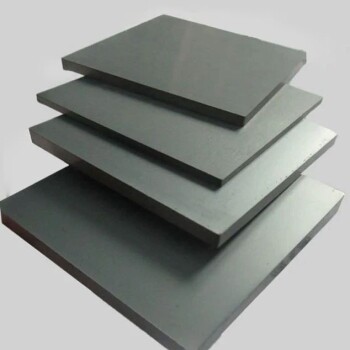
- Silicon Carbide (SIC) Ceramic Plate for Engineering Advanced Fine Ceramics
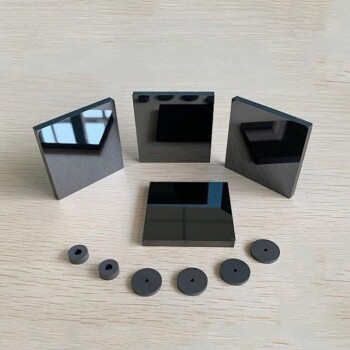
- Silicon Carbide (SIC) Ceramic Sheet Wear-Resistant Engineering Advanced Fine Ceramics
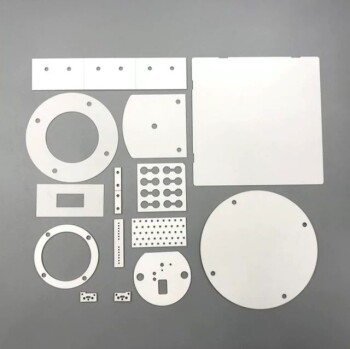
- Custom-Made Alumina Zirconia Special-Shaped Ceramic Plates for Engineering Advanced Fine Ceramics Processing
- Boron Nitride (BN) Ceramic Plate
- High Temperature Wear-Resistant Alumina Al2O3 Plate for Engineering Advanced Fine Ceramics
People Also Ask
- What are the uses of silicon carbide ceramics in different industries? Master Extreme Performance in Aerospace, Semiconductors & More
- What is the strongest ceramics? Silicon Carbide Leads in Hardness & Thermal Strength
- What are the properties and applications of silicon carbide ceramics? Solve Extreme Engineering Challenges
- What are the common uses of silicon carbide? Unlock Extreme Performance in Harsh Environments
- Why is silicon carbide more efficient? Unlock Higher Power Density with SiC's Superior Material Properties