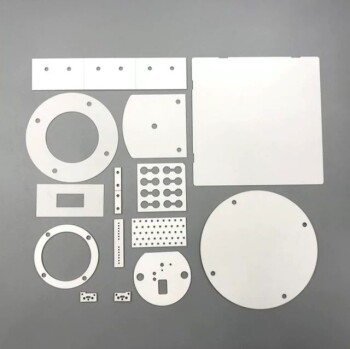
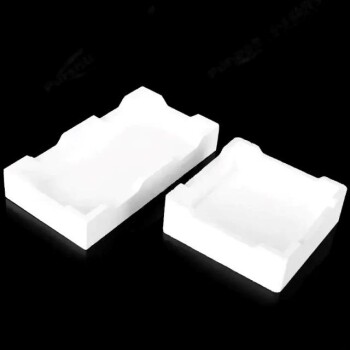
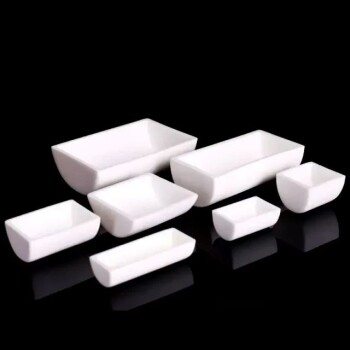
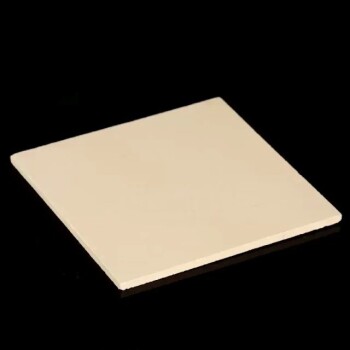
Alumina setter plates serve as a critical protective interface between LATP (Lithium Aluminum Titanium Phosphate) samples and the harsh environment of a high-temperature furnace. Their primary function is to physically support the LATP particles, isolating them from the furnace floor to prevent chemical reactions and physical degradation.
Core Takeaway By providing a chemically inert and thermally stable foundation, alumina setter plates mitigate the risks of contamination and adhesion. This isolation is essential for preserving the chemical purity and phase integrity of LATP materials during post-heat treatment.
The Critical Role of Material Isolation
Preventing Chemical Contamination
The interior surfaces of a furnace, particularly the floor, can harbor residual impurities from previous runs or the heating elements themselves.
Alumina setter plates act as a barrier, blocking the diffusion of these contaminants into the LATP samples. This ensures that the stoichiometry of the LATP remains unaltered by external elements.
Avoiding Mechanical Adhesion
At the elevated temperatures required for post-heat treatment, LATP particles can soften or become reactive enough to bond with the furnace hearth.
The setter plates prevent this unwanted adhesion. By keeping the samples separate from the furnace floor, they ensure the material can be easily retrieved without fusing to the equipment.
Thermal and Chemical Stability
High-Temperature Resistance
The heat treatment process involves extreme thermal conditions that would degrade lesser materials.
Alumina is selected for its ability to withstand high temperatures without warping, melting, or degrading. This ensures the physical support structure remains stable throughout the entire heating cycle.
Chemical Inertness
Beyond simple heat resistance, the carrier material must not react with the sample it supports.
Alumina is utilized because it is chemically inert relative to the LATP under standard processing conditions. It provides a neutral platform that supports the sample without influencing its chemical composition.
Common Pitfalls to Avoid
Risks of Direct Contact
Attempting to bypass the use of setter plates creates immediate risks to both the sample and the equipment.
Without this protective layer, you risk cross-contamination that can ruin the ionic conductivity of the LATP. Furthermore, melted or fused material can permanently damage the furnace floor, leading to costly equipment repairs.
Making the Right Choice for Your Goal
To maximize the quality of your LATP synthesis, apply the function of setter plates to your specific objectives:
- If your primary focus is Material Purity: Rely on the setter plate's inert nature to eliminate variables and prevent diffusion of impurities from the furnace lining.
- If your primary focus is Process Yield: Use the plates to prevent adhesion, ensuring 100% of your sample is recoverable and does not stick to the furnace hearth.
Leveraging the correct carrier material is not just a logistical detail; it is a fundamental requirement for reproducible, high-performance ceramics.
Summary Table:
| Feature | Function in LATP Heat Treatment | Key Benefit |
|---|---|---|
| Chemical Inertness | Prevents reactions between sample and furnace | Maintains LATP stoichiometry and purity |
| Thermal Stability | Withstands extreme temperatures without warping | Provides a reliable and flat support structure |
| Physical Barrier | Isolates particles from the furnace hearth | Prevents cross-contamination and diffusion |
| Anti-Adhesion | Stops samples from bonding to the floor | Ensures 100% material recovery and yield |
Elevate Your Advanced Ceramic Processing with KINTEK
Precise material synthesis requires more than just high temperatures—it demands the right environment. KINTEK specializes in providing the high-performance laboratory equipment and consumables essential for cutting-edge battery research and ceramic synthesis.
Whether you are processing LATP or other solid-state electrolytes, our range of muffle and tube furnaces, along with high-purity alumina ceramics and crucibles, ensures your samples remain pure and your processes reproducible. From high-pressure reactors to specialized battery research tools, we provide the technical foundation your laboratory needs to succeed.
Ready to optimize your heat treatment workflow? Contact KINTEK today to discover how our high-temperature solutions can enhance your research precision.
Related Products
- High Temperature Wear-Resistant Alumina Al2O3 Plate for Engineering Advanced Fine Ceramics
- Custom-Made Alumina Zirconia Special-Shaped Ceramic Plates for Engineering Advanced Fine Ceramics Processing
- Ceramic Evaporation Boat Set Alumina Crucible for Laboratory Use
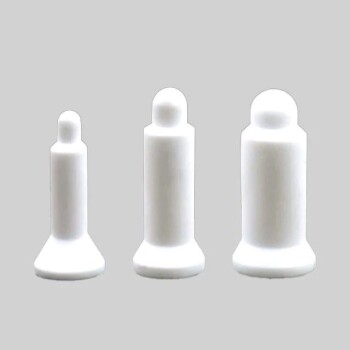
- Engineering Advanced Fine Alumina (Al₂O₃) Ceramic Positioning Pin Straight Bevel for Precision Applications
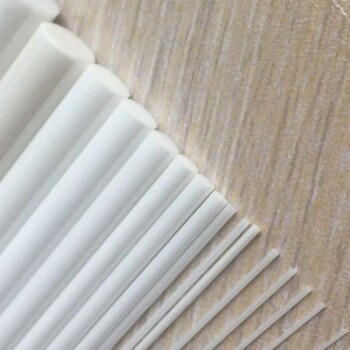
- Engineering Advanced Fine Alumina Al2O3 Ceramic Rod Insulated for Industrial Applications
People Also Ask
- What are the process advantages of selecting an alumina plate for CuO nanofilm synthesis? Achieve Superior Purity
- What function do alumina ceramic plates serve as supports in the preparation of molecular sieve membranes?
- How is alumina ceramic made? A Guide to Manufacturing Methods and Material Properties
- Why use high-purity alumina plates for sintering porous stainless steel? Ensure Purity & Precision
- What is the purpose of using high-purity alumina plates during the sintering of AlN mats? Ensure Precision & Purity