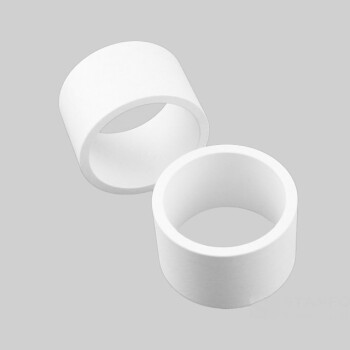
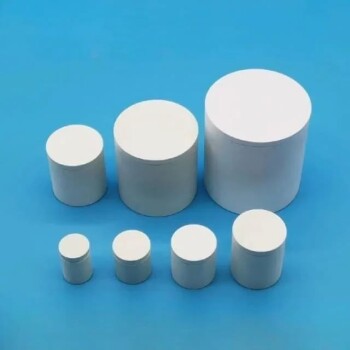
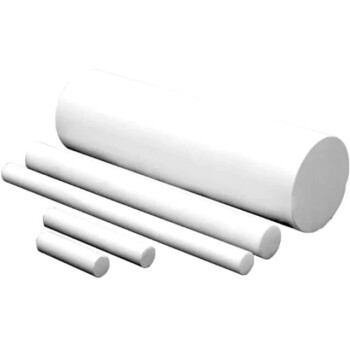
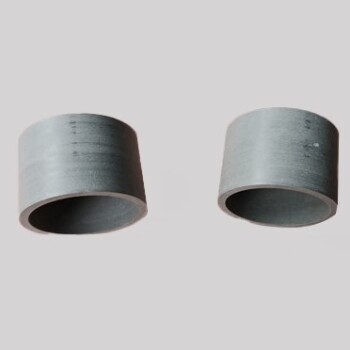
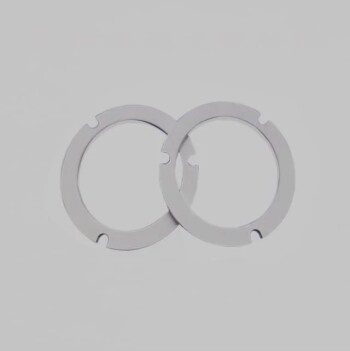
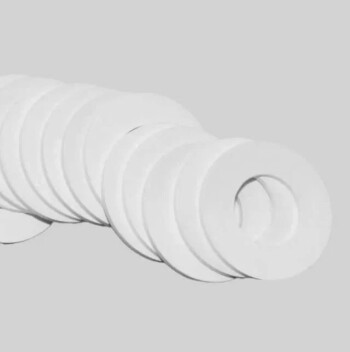
The primary purpose of introducing Boron Nitride (BN) insulation sheets is to act as an electrical barrier within the Spark Plasma Sintering (SPS) assembly. When sintering highly conductive ceramics like Zirconium Diboride (ZrB2), placing BN sheets between the graphite punches and the sample prevents electric current from passing through the material itself. This deliberate modification forces the system to switch from direct internal heating to an indirect heating mode.
Core Insight: By blocking the current path through the sample, BN sheets allow researchers to isolate the specific contributions of thermal radiation versus electrical current. This is the only way to accurately determine if densification is being driven by heat alone or by unique field-assisted effects.
The Mechanics of Isolation
To understand the utility of Boron Nitride in this context, it is necessary to look at how it changes the fundamental physics of the SPS process.
Breaking the Circuit
Standard SPS relies on passing high pulsed current through the tooling and, if conductive, the sample.
Boron Nitride is an electrical insulator. By inserting it at the contact points between the punches and the sample, you physically interrupt the flow of electricity through the ceramic powder.
Forcing Indirect Heating
Once the current path is blocked, the sample can no longer generate its own heat via Joule heating (resistance heating).
Instead, the system is forced into indirect heating mode. The current still passes through the outer graphite mold (die), causing the mold to heat up. The sample is then heated solely by the thermal radiation emitted from the hot mold.
The Scientific Objective: Decoupling Variables
The introduction of BN is rarely about manufacturing efficiency; it is almost always about fundamental research and mechanism analysis.
The Ambiguity of Conductive Ceramics
Materials like ZrB2 are excellent conductors. In a standard SPS setup, they are subjected to both high temperatures and high electrical currents simultaneously.
This creates an analytical blind spot. It becomes difficult to distinguish whether rapid densification is caused by the high heating rates (thermal effects) or by the electric current acting on the grain boundaries (current effects).
Isolating Thermal Contributions
By using BN sheets, you eliminate the "current effect" variable entirely.
If the sample sinters successfully with BN insulation, researchers can conclude that densification is primarily a result of thermal mechanisms. If the sample fails to densify compared to a standard run, it suggests that the electric current played a critical role in the process.
Understanding the Trade-offs
While BN sheets are invaluable for experimental controls, using them alters the inherent advantages of the SPS technique.
Loss of Internal Heating
SPS is famous for rapid heating because heat is generated inside the sample.
Using BN insulation removes this capability. The sample must wait for heat to transfer from the mold, potentially leading to slower heating rates or larger thermal gradients compared to standard SPS.
Elimination of "Plasma" Effects
Proponents of SPS often cite plasma generation or electromigration as benefits of the process.
By blocking the current, you effectively turn the SPS machine into a standard hot press. You lose any potential microstructural benefits derived from the electric field interacting directly with the particles.
Making the Right Choice for Your Goal
Whether you should use Boron Nitride insulation depends entirely on whether you are trying to produce a part or prove a theory.
- If your primary focus is Production Efficiency: Avoid BN sheets to utilize the full speed and internal heating capabilities of direct current sintering.
- If your primary focus is Mechanism Analysis: Use BN sheets to isolate thermal effects and prove whether electric current is necessary for your material's densification.
By selectively using insulation, you transform the SPS from a manufacturing tool into a precise instrument for separating thermal cause from electrical effect.
Summary Table:
| Feature | Standard SPS (Conductive Sample) | SPS with BN Insulation Sheets |
|---|---|---|
| Current Path | Passes through sample and die | Blocked from sample; passes through die only |
| Heating Mode | Direct internal Joule heating | Indirect heating (thermal radiation from mold) |
| Current Effects | Present (electromigration, field effects) | Eliminated (purely thermal mechanisms) |
| Heating Rate | Extremely rapid internal heating | Slower; limited by thermal transfer from die |
| Primary Use | Rapid manufacturing and production | Fundamental mechanism analysis & research |
Advance Your Material Science with KINTEK
Unlock deeper insights into your sintering processes and material behavior. Whether you are conducting fundamental research on conductive ceramics like Zirconium Diboride (ZrB2) or aiming for high-volume production, KINTEK provides the precision tools you need.
We specialize in high-performance laboratory equipment, including Spark Plasma Sintering (SPS) solutions, high-temperature furnaces (vacuum, tube, and atmosphere), and advanced ceramic consumables like BN and PTFE products. Our experts can help you select the right equipment to decouple variables in your research or optimize efficiency in your manufacturing.
Ready to elevate your lab's capabilities? Contact us today to discuss our comprehensive range of high-temperature high-pressure reactors, crushing systems, and specialized laboratory consumables tailored to your specific application.
Related Products
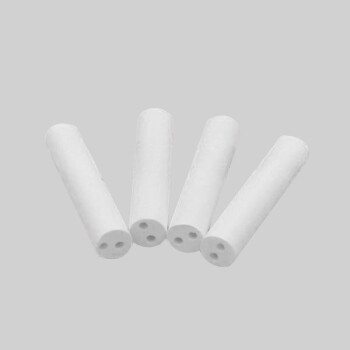
- Hexagonal Boron Nitride HBN Thermocouple Protection Tube
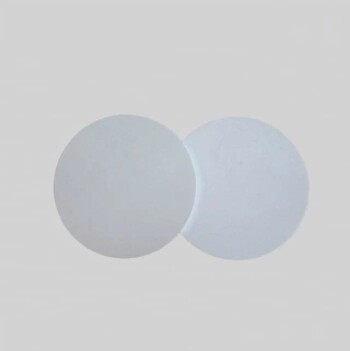
- Boron Nitride (BN) Ceramic Plate
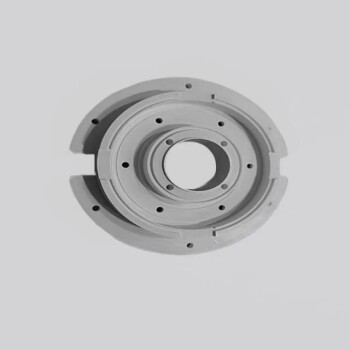
- Custom Boron Nitride (BN) Ceramic Parts
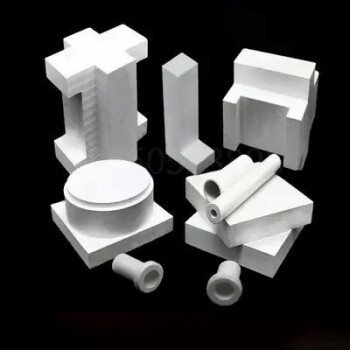
- Advanced Engineering Fine Ceramics Boron Nitride (BN) Ceramic Parts
- Boron Nitride (BN) Ceramic Tube
People Also Ask
- Why are Boron Nitride Tubes selected as reaction vessels for Na3SbS4? Ensure Purity in High-Temp Synthesis
- What are the symptoms of a bad thermocouple? Diagnose a Pilot Light That Won't Stay Lit
- What information does a thermocouple at the substrate bottom provide in LCVD? Master Precise Temperature Control
- What are the specific temperature control requirements for high-precision thermocouples? Achieve ±0.3°C Precision
- What is the most common type of temperature sensor? The Unmatched Versatility of Thermocouples